
Tooth Replacement — Snap-In Dentures

Implant-Supported Dentures in Gresham, OR

Snap-in dentures that fit over implants for exceptional retention, stability, and support.

★★★★★  Trusted by families throughout Gresham & East Multnomah County
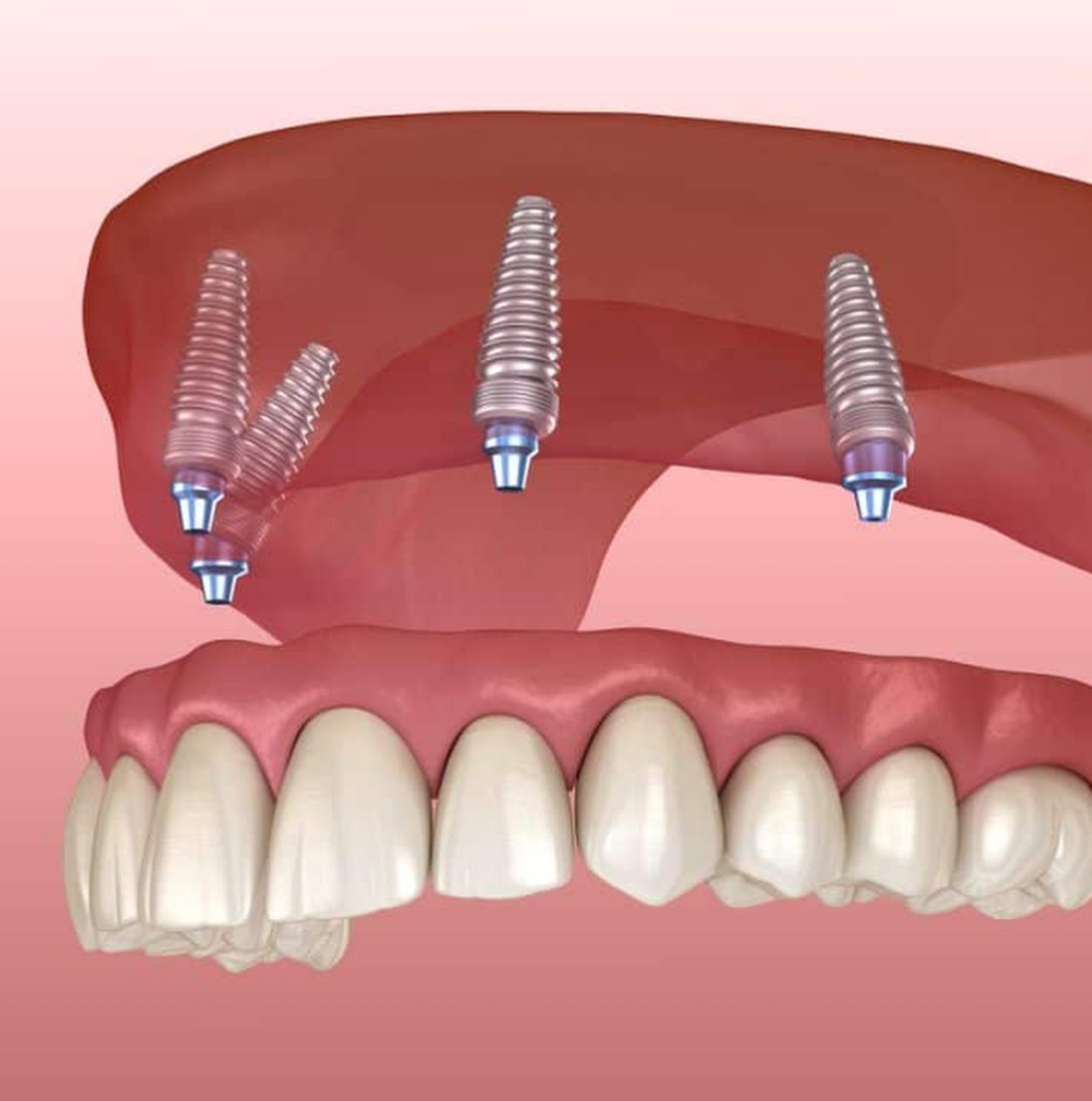
Diagram of snap-in implant dentures attaching to dental implants at Gresham Advanced Dentistry in Gresham, OR

Everyday Confidence

What Are Snap-In Implant Dentures?

Opting for dental implants to anchor your denture ensures you can savor your favorite meals with enhanced stability and confidence.

  • Confidence in Your Smile: enjoy peace of mind knowing your dentures are securely positioned, allowing you to smile and laugh freely
  • Enhanced Comfort: reduced denture movement minimizes discomfort from rubbing and chafing
  • Improved Nutrition: chew food more effectively with enhanced denture stability, promoting better nutrition
  • Minimal Bone Requirements: created for patients with insufficient bone for traditional implants
  • Prevent Bone Loss: implants stimulate ongoing bone production in the jaw, even after tooth extraction
  • Reduce or Eliminate Gag Reflex: in certain cases, part of the palate can be removed, reducing the discomfort of gagging often associated with dentures
  • Enhance Taste: some recipients may have the option to remove part of the upper denture’s palate, potentially enhancing their ability to taste food

The Traditional Denture Struggle

Snap-In Implant Dentures vs. Traditional Dentures

While traditional dentures are often aesthetically pleasing and a cost-effective solution for replacing damaged or missing teeth, they can fall short in terms of functionality, stability, and chewing capability. Challenges of traditional (non-implant) dentures include:

Limited Chewing PowerMovement of lower dentures results in only 10–20% of natural teeth’s chewing power.

Speech ImpedimentsMovement of lower dentures can make speaking challenging.

Social EmbarrassmentFear of dentures slipping can make eating in public or laughing freely uncomfortable.

DiscomfortFrequent movement, especially of lower dentures, can cause gum irritation.

Nutritional ChallengesReduced chewing power can hinder a balanced diet and proper digestion.

Bone LossTooth removal often leads to significant bone loss over time, making dentures less secure as the jaw changes.

Gag ReflexUpper dentures covering the palate may trigger gag reflexes; trimming the denture reduces suction and stability.

Snap-In Implant Dentures offer substantial improvements in addressing these issues.

Getting Started

How Many Implants Will I Need?
  • Upper Implant Denture: requires a minimum of 4 implants for optimal support and stability
  • Lower Implant Denture: requires a minimum of 2 implants, with 3 or 4 implants generally offering notably enhanced retention and stability
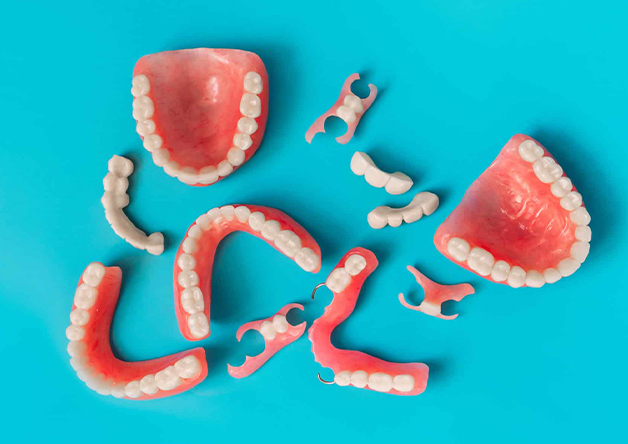
Implant-supported denture components at Gresham Advanced Dentistry in Gresham, OR

Procedure Timeline

Step 1

Procedure

Step 2

Post Op

Step 3

Soft Liners / Soft Re-Fittings

Step 4

Uncovery

Step 5

Attachment of Implants to Dentures

FAQs

Frequently Asked Questions

The feasibility varies. Ideally, we distribute dental implants strategically to enable the removal of the palate in a snap-in denture. Our All-On-4 procedure ensures palate removal, but this isn’t always achievable with snap-in dentures. Removing the palate can enhance taste perception and sensitivity to hot and cold stimuli, providing a more natural experience for many patients. Additionally, patients with a pronounced gag reflex often find relief when the palate is removed from the denture.

Usually, maintenance is required once or twice a year. The frequency depends on factors such as the number of implants, the strength of your bite, how often you remove and replace your dentures, and other considerations. Please avoid biting your dentures into place on your implants—doing so can accelerate wear on the inserts. Always place your implant dentures manually.

Snap Ring Replacement: periodically, you’ll need to replace the snap rings in your implant dentures—these rings wear out over time and with frequent use, affecting retention. This maintenance procedure is quick and affordable. Cleanings: like natural teeth, your implants and dentures require regular cleaning. Periodic Re-fittings: your mouth changes over time, necessitating occasional re-fittings to optimize performance. Home Maintenance: remove your dentures 1–2 times a day and brush them with a denture brush or very soft-bristled toothbrush, and clean your implants with a soft dental brush.

Significant bleeding typically ceases before you leave our clinic; however, expect some slight oozing for 1–3 days following the procedure. You may also experience increased salivation initially when your denture(s) are placed, which, when mixed with a small amount of blood, can appear more significant. If heavy bleeding persists, please contact our office promptly. A traditional home remedy for promoting clotting involves dampened tea bags: moisten a regular tea bag, squeeze out excess water, and apply it to the extraction site(s).

Items to prepare for recovery: ice packs, disposable washcloths, comfortable attire that can be discarded, and soft foods such as soups, yogurt, cottage cheese, smoothies, protein shakes, eggs, and mashed potatoes (gravy optional).

While titanium dental implants typically have a success rate of over 95%, they can still fail. Factors that contribute to failure include failure to integrate properly into the bone, smoking, and diabetes. If an implant fails within the first year, your dentist will replace it at no additional cost to you.

Ready for Dentures That Stay Put?

Implant-supported dentures are an excellent alternative to traditional dentures. Schedule a consultation and find out if snap-in dentures are right for you.