Periodontal Care

Gum Disease Treatment in Gresham, OR

Bleeding or receding gums are warning signs, not normal. Gentle, effective treatment protects your smile and your health.

★★★★★  Trusted by families throughout Gresham & East Multnomah County
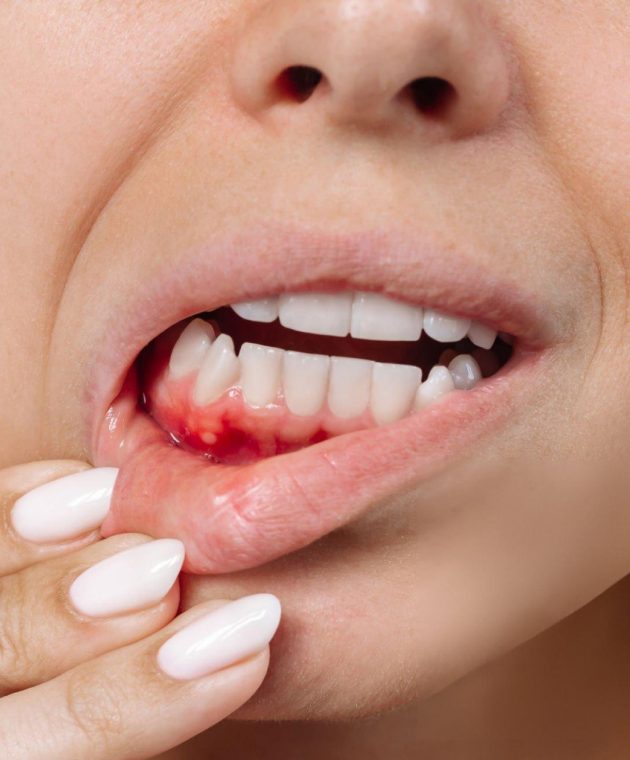
Close-up of inflamed gums showing early gum disease, treated at Gresham Advanced Dentistry in Gresham, OR

Know the Risks

What Happens If I Don’t Treat My Gum Disease?

The early signs of gum disease may be subtle and easy to overlook, but ignoring them can lead to a host of painful, unsightly, and expensive oral health issues. Left untreated, gum disease can affect not only your teeth and gums but also other areas of your body. Symptoms may include difficulty chewing, receding gums, elongated teeth, and even loose or missing teeth.

It can also have serious implications for your overall health. The bacteria that cause periodontitis can enter your bloodstream through infected gums, potentially leading to significant health issues in other parts of your body. Individuals with gum disease may also be at higher risk for conditions such as diabetes and heart disease.

Early diagnosis and treatment can help you avoid complications—regular dental exams catch gum disease while it’s still reversible.

Signs You May Need Treatment

  • Swollen or puffy gums
  • Red or purple gum tissue
  • Tender gums
  • Gums that bleed easily
  • Bad breath
  • Receding gum tissue

Treatment Options

Treating Gum Disease Thoroughly

There are two types of gum disease: gingivitis and periodontitis. We treat both, right here in our Gresham office.

Gingivitis

Gingivitis is characterized by tender gums that easily bleed. It can be treated by visiting our office more frequently for dental hygiene appointments. We may also prescribe medicated mouthwash to improve your at-home oral care routine and prevent further gum infection.

Periodontitis

Periodontitis is a more advanced form of gum disease, identified by chronic bad breath, loose teeth, and a persistent unpleasant taste. We offer scaling and root planing or laser gum therapy to remove bacteria and plaque from below the gum line, eliminating the infection and protecting your teeth long-term.

Take It Seriously

Bleeding Gums? Don’t Wait.

In many cases, bleeding gums are an early warning sign of gum disease. Most forms are caused by plaque—a sticky substance that traps food and bacteria against the gum line and triggers inflammation. Smoking and poor oral hygiene are often to blame, but pregnant women, people with diabetes, and denture wearers are at higher risk even with good habits.

Our team performs an in-depth exam to determine the cause of your symptoms, then offers a range of treatments to improve your oral health. Early diagnosis and treatment can help you avoid complications.

At-Home Care

How to Stop Gums from Bleeding at Home

Patients with bleeding gums sometimes stop brushing and flossing—unfortunately, poor oral hygiene only worsens the underlying problem. While you wait for your appointment:

  • Keep brushing twice daily with a soft-bristled brush
  • Apply gentle pressure—vigorous brushing irritates gums
  • Floss carefully to remove debris stuck in the gums
  • Try a saltwater rinse to help shrink swollen gums
  • Avoid tobacco in all forms—it dries the mouth and reduces blood flow
  • Wear a mouthguard for sports, and skip very sharp foods

Severe or uncontrolled dental bleeding is dangerous—seek care right away. For urgent concerns, see our emergency dentistry page or call us now.

FAQs

Gum Disease FAQs

Bleeding gums are usually a sign of gingivitis, which develops when plaque and bacteria become trapped against the gum line. They can also result from pregnancy, prescription drugs (including blood thinners), vitamin deficiencies, bleeding disorders, poor brushing habits, or ill-fitting dental appliances. An in-depth exam determines the cause of your symptoms.

Gingivitis is the early, reversible stage—tender gums that bleed easily, treated with more frequent hygiene visits and medicated mouthwash. Periodontitis is the advanced form, marked by chronic bad breath, loose teeth, and infection below the gum line. It requires scaling and root planing or laser gum therapy, and any damage to supporting bone can only be managed, not reversed.

Yes. The bacteria that cause periodontitis can enter your bloodstream through infected gums. Gum problems have been linked to heart disease and stroke, and individuals with gum disease may be at higher risk for conditions such as diabetes.

Up to 40% of pregnant women experience gum disease during pregnancy, because hormonal changes make gums more susceptible. Keep up with dental checkups while pregnant and let our team know about any new symptoms—prompt treatment keeps the problem from progressing.

Depending on the stage: more frequent professional hygiene appointments, medicated mouthwash for home care, scaling and root planing to clean below the gum line, and laser gum therapy. We’ll recommend the most conservative option that will genuinely resolve your infection.

Minor mouth injuries often heal on their own, but severe dental bleeding can be dangerous—seek care right away for heavy or uncontrolled bleeding. Prevent injuries by wearing a mouthguard during sports, avoiding very sharp foods, and keeping appliances like dentures and retainers in good repair.

Healthy Gums Are the Foundation of a Healthy Smile

If you’ve noticed bleeding, swelling, or receding gums, don’t wait for it to get worse. Schedule an evaluation today—early treatment is simpler, gentler, and far less costly.