Restorative Dentistry — Tooth Extractions

Gentle Tooth Extractions in Gresham, OR

Honest recommendations. Comfortable care. Relief when you need it most.

★★★★★  Trusted by families throughout Gresham & East Multnomah County
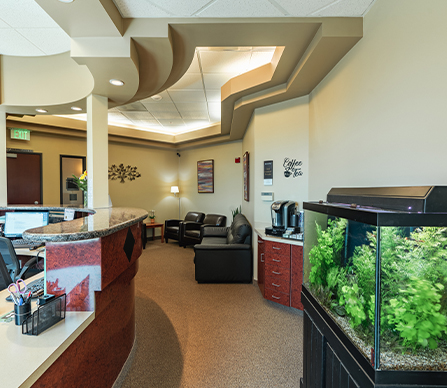
Patient waiting area with aquarium at Gresham Advanced Dentistry

Save-First Philosophy

“Is There Any Way to Save It?”

No one wants to hear they need a tooth removed. In fact, that question is one of the first things we hear from patients—and it’s exactly how we approach treatment at Gresham Advanced Dentistry.

Whenever possible, Dr. Isaac Hanset and our team will recommend the most conservative treatment available to preserve your natural tooth. However, there are times when removing a tooth is actually the healthiest option.

If a tooth is badly infected, severely broken, affected by advanced gum disease, or cannot be predictably restored, a tooth extraction may be the best way to relieve pain, protect neighboring teeth, and restore your long-term oral health.

If we recommend an extraction, we’ll explain exactly why, answer every question you have, and make sure you understand all of your treatment options before moving forward. Whether you live in Gresham, Troutdale, Fairview, Wood Village, Sandy, Damascus, Boring, or East Portland, we’re here to provide gentle, patient-focused care that puts your comfort first.

We Look for Ways to Save Your Tooth First

We believe patients deserve honest recommendations—not pressure.

Common Reasons

When Is a Tooth Extraction Necessary?

Removing a tooth is always considered carefully, because your natural teeth are designed to last a lifetime. Before recommending an extraction, we’ll evaluate your tooth, surrounding bone, gum health, digital X-rays, and long-term prognosis.

Some of the most common reasons a tooth may need to be removed:

  • Severe tooth decay that cannot be restored
  • A cracked or fractured tooth below the gumline
  • Advanced gum disease causing significant bone loss
  • A dental infection that cannot be predictably treated
  • A failed root canal or previous dental treatment
  • Impacted wisdom teeth
  • Overcrowding before orthodontic treatment
  • Trauma from an accident or sports injury
  • Baby teeth that fail to fall out naturally

Every situation is unique. Our job is to explain your options clearly so you can make the decision that’s best for your health.

Extraction Types

Types of Tooth Extractions

Simple Extractions

Performed when the tooth is fully visible above the gumline and can be gently removed using specialized dental instruments. Typically straightforward and completed comfortably with local anesthesia.

Surgical Extractions

Some teeth are broken below the gumline, impacted, or haven’t fully erupted. Surgical extractions involve carefully accessing the tooth while protecting the surrounding bone and tissues.

Wisdom Tooth Extractions

Not every wisdom tooth needs to come out—but impacted or painful ones may need removal to protect your oral health. Learn more on our Wisdom Teeth Removal page.

What to Expect

What Happens During a Tooth Extraction?

Many patients tell us their biggest fear is simply not knowing what to expect. We’ll walk you through every step before treatment begins. Your appointment generally includes:

  • Reviewing your health history
  • Taking digital X-rays if needed
  • Examining the affected tooth
  • Discussing your treatment options
  • Completely numbing the area
  • Gently removing the tooth
  • Cleaning the area thoroughly
  • Placing gauze and stitches if necessary
  • Reviewing your aftercare instructions

Throughout your appointment, our team will check in to make sure you’re comfortable. Most patients are surprised by how smooth the experience actually is.

Eating & Recovery

What Should I Eat After a Tooth Extraction?

Eating the right foods helps your mouth heal comfortably. As your mouth heals, you can slowly add firmer foods back into your diet.

Good Choices

  • Yogurt, applesauce, and cottage cheese
  • Mashed potatoes and oatmeal
  • Scrambled eggs
  • Smoothies (without a straw)
  • Soup that has cooled slightly
  • Pasta and soft cooked vegetables

Avoid for the First Several Days

  • Crunchy chips, popcorn, nuts, and seeds
  • Hard candy and sticky foods
  • Very spicy foods and extremely hot beverages
  • Alcohol, and carbonated drinks if they cause discomfort
  • Drinking through a straw—it can dislodge the clot and cause dry socket

Healing Timeline

Recovery After a Tooth Extraction

Healing is usually straightforward when aftercare instructions are followed.

The first 24 hoursThe most important stage of healing: your body forms a protective blood clot. Bite gently on the gauze as instructed, rest for the day, stay hydrated, eat soft foods, and apply ice packs if needed.

Days two through threeMost swelling begins improving. You can gradually return to many normal activities while continuing to eat softer foods and keeping the extraction site clean.

One weekMany patients feel significantly better within a week. Depending on the type of extraction, you may return for a quick follow-up visit if needed.

Returning to workMany patients return to work the day after a simple extraction. Surgical or wisdom tooth extractions may need more time—we’ll give you personalized recommendations.

Patient smiling after dental implant treatment at Gresham Advanced Dentistry

Replacing Your Tooth

Replacing a Missing Tooth

Removing the tooth is only part of your treatment. Depending on which tooth was removed, replacing it may help prevent shifting teeth, changes in your bite, and bone loss over time. We may recommend:

  • Dental Implants — the closest replacement to a natural tooth, preserving jawbone health
  • Dental Bridges — excellent for replacing one or more missing teeth
  • Partial Dentures — a comfortable removable option that restores your smile and function

We’ll help you compare every option and choose the one that’s right for your smile and your budget.

Why Choose Us

Why Choose Gresham Advanced Dentistry?

  • Honest recommendations
  • Conservative treatment planning
  • Gentle, patient-centered care
  • Modern dental technology
  • Comprehensive tooth replacement options
  • Personalized aftercare and follow-up

New to our practice? Start on our New Patients page.

FAQs

Frequently Asked Questions

We’ll perform a thorough examination and discuss every possible option before recommending an extraction. If there’s a predictable way to save your tooth, we’ll explain it. If removal is truly the healthiest choice, we’ll explain why and answer every question you have.

Many patients return to work the next day after a simple extraction. More complex surgical procedures or wisdom tooth removal may require a little more recovery time. Before you leave our office, we’ll give you personalized guidance based on your procedure and your daily activities.

Yes, mild ear or jaw discomfort can happen because the nerves in your mouth and jaw are connected—this is often called referred pain and usually improves as your mouth heals. If the pain becomes severe after a few days, or you notice a bad taste or odor, give us a call so we can make sure everything is healing properly.

Dry socket occurs when the protective blood clot covering the extraction site becomes dislodged too early, exposing the underlying bone and nerves. Signs include severe pain beginning several days after treatment, pain radiating into the ear or jaw, a bad taste or odor, or an empty-looking extraction site. Fortunately, dry socket is treatable—our team can relieve your discomfort quickly, and following your aftercare instructions greatly reduces your risk.

For the first several days, avoid crunchy foods, popcorn, nuts, chips, spicy foods, alcohol, and drinking through a straw. These can irritate the extraction site or interfere with the protective blood clot that’s helping your mouth heal.

Depending on where the tooth was located, nearby teeth may begin shifting over time, your bite can change, and you may experience bone loss in the area. We’ll explain whether replacing the tooth with a dental implant, bridge, or partial denture is recommended for your situation.

If you’re experiencing severe pain, swelling, or think you may need a tooth removed, call our office as early as possible. We make every effort to accommodate dental emergencies and help patients throughout Gresham and the surrounding communities get relief quickly.

Let’s Help You Feel Better

If you’re dealing with tooth pain, a damaged tooth, or think you may need a tooth extraction, don’t wait for the problem to get worse.

Our team will carefully evaluate your smile, explain every treatment option, and help you move forward with confidence. Whether your tooth can be saved or needs to be removed, we’re here to help you protect your smile for years to come.