
Oral Surgery — Wisdom Teeth Removal
Wisdom Teeth Removal in Gresham, OR
Expert wisdom teeth extraction for smoother recovery and minimal discomfort, from a team that puts comfort first.
★★★★★ Trusted by families throughout Gresham & East Multnomah County
Know the Basics
Understanding Wisdom Teeth Extraction
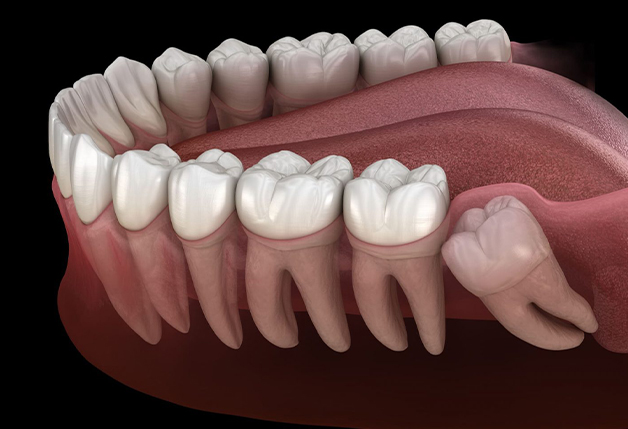
“Wisdom teeth” is the colloquial term for the third set of molars that sit in the back of the mouth. They are called such because they come in between the more “mature” ages of 17 and 21. The emergence of wisdom teeth can be uncomfortable, even if they are emerging correctly.
Wisdom teeth do not always necessitate extraction—properly aligned wisdom teeth may even assist in chewing. However, if there is no adequate space for the wisdom teeth to emerge or if the teeth are coming through in the wrong position, they may become impacted (trapped in the jaw or under the gums). This may cause cysts, damage to neighboring teeth, gum disease, infection, pain, tooth decay, and tumors.
A dentist needs to monitor your wisdom teeth and determine the best course of action—that’s exactly what we do at every exam.
Relief Starts Here
Get wisdom teeth removed for relief. Wisdom teeth extraction can relieve pain caused by crowding or incorrect growth. Most patients who need it are in the stages of young adulthood.
The Procedure
What to Expect During Wisdom Teeth Extraction
Wisdom teeth extraction generally begins with a local anesthetic to numb you to the pain of the procedure. The doctor then carefully exposes the tooth, removing any bone blocking access to the tooth root. Depending on how severely impacted the tooth is, it may be divided into sections to be removed little by little.
After extracting the tooth, the doctor cleans the extraction site of any debris. The wound may or may not need stitches, and gauze is placed over the site to control bleeding and aid the formation of a protective blood clot.
Wisdom teeth extraction is commonly performed and generally safe when carried out by qualified doctors. It all starts with an initial consultation.
Your Recovery Plan
Aftercare for Wisdom Teeth Extraction
Patients should expect to rest for the remainder of the day following their wisdom teeth extraction. Though regular activities can be resumed as soon as the day after, refrain from any strenuous activity for at least a week following your procedure—otherwise you run the risk of overexertion and dislodging the blood clot.
Our team will provide you with a customized recovery plan for your specific procedure. Complications are rare as long as you follow this plan.
Curious about eating and healing after any extraction? See our Tooth Extractions page for a full recovery guide.
FAQs
Wisdom Teeth FAQs
Wisdom Tooth Pain? Let’s Take a Look.
Whether your wisdom teeth are just coming in or already causing discomfort, a quick consultation will tell you exactly where things stand—and what to do next.