What to Do If a Tooth Is Knocked Out or Partially Knocked Out
What to Do If a Tooth Is Knocked Out or Partially Knocked Out
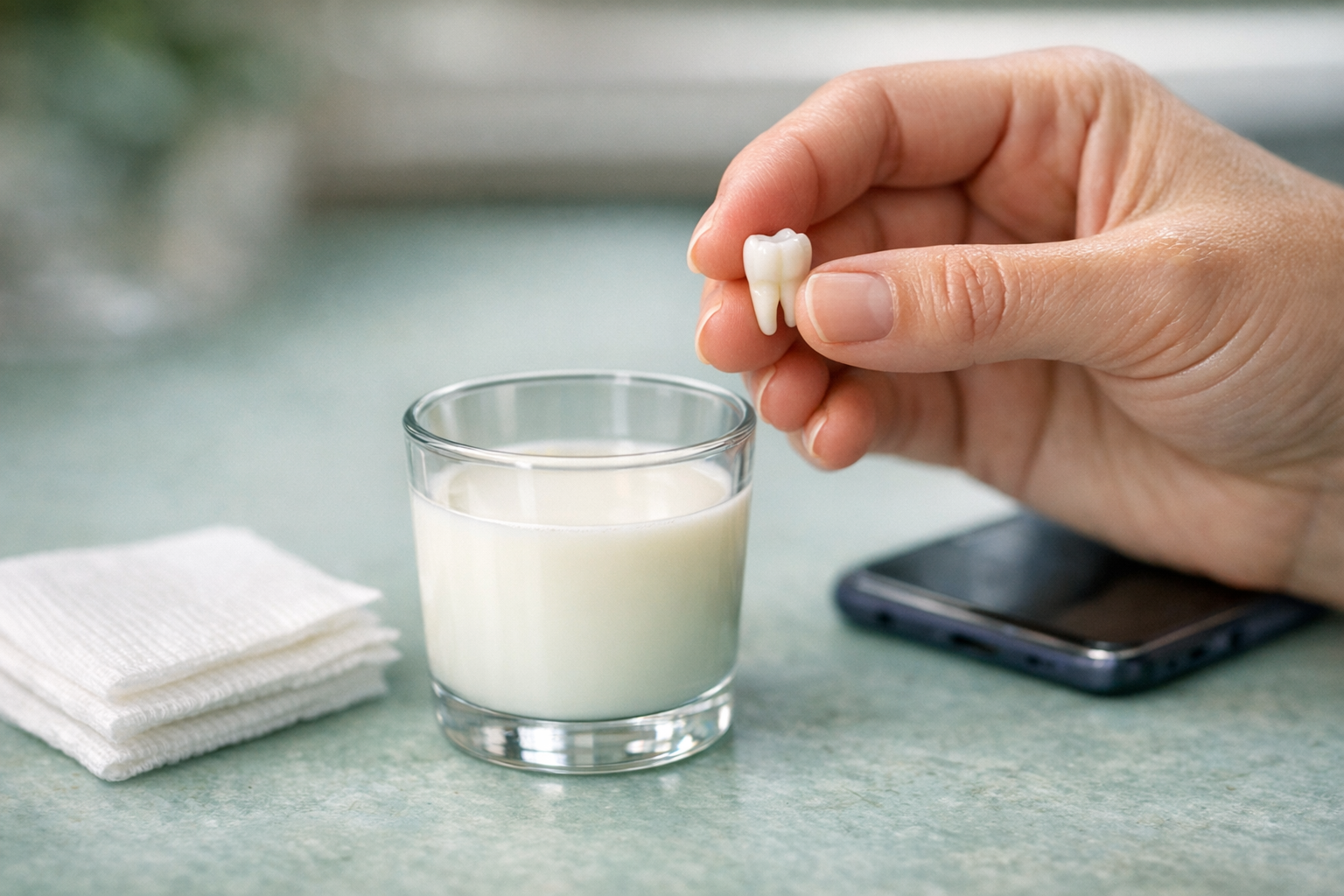
A knocked-out or partially displaced tooth needs prompt attention. If it is an adult tooth, hold it only by the crown, gently rinse away visible dirt without scrubbing, and contact a dentist immediately. If you can do so comfortably, place the tooth back in its socket without forcing it. If that is not possible, keep it moist in milk or a tooth-preservation solution while you arrange urgent dental care.
Do not try to put a baby tooth back into the socket. That can injure the developing adult tooth underneath. In either situation, first check for serious injuries, then call Gresham Advanced Dentistry or another emergency dental office for instructions. The outcome depends on the injury, how quickly care begins, and the condition of the tooth and surrounding tissues.

What to Do in the First Few Minutes
Move quickly, but avoid actions that can damage the tooth or cause another injury. If the impact involved the head, face, or jaw, look for heavy bleeding, trouble breathing, loss of consciousness, vomiting, confusion, or a possible broken jaw. These symptoms need emergency medical attention rather than a dental appointment alone. For a dental injury without those warning signs, contact a dentist as soon as possible and explain whether the tooth is completely out, loose, pushed inward, or moved sideways.
If an adult tooth is completely knocked out
Find the tooth and pick it up by the white crown, not the root. If it is dirty, rinse it briefly with clean water. Do not scrape, brush, or wipe the root. If the tooth slips back into place easily, gently position it in the socket and hold it there by lightly biting on clean gauze or cloth. Never force it into position. If you cannot replace it, put it in milk or an approved tooth-preservation solution. Do not let it dry out, wrap it in tissue, or store it in plain water for an extended period.
If the tooth is loose, pushed, or partly out
Do not pull on a partially displaced tooth or try to straighten it yourself. Keep your fingers and tongue away from the area. A clean piece of gauze can help control light bleeding, and soft foods may be easier until you are examined. Because the tooth may need to be repositioned and stabilized, call promptly even if pain is limited. A tooth that looks only slightly out of place may still have damage to its root, supporting ligament, or surrounding bone.
If a baby tooth was knocked out
Do not put a baby tooth back into the socket. Replanting it can affect the adult tooth developing below it. Save the tooth if you can, note when the injury occurred, and contact a dentist for advice. A child should still be evaluated if the tooth was pushed into the gum, several teeth are loose, the bite has changed, or bleeding and pain do not settle. Keep the child calm, avoid hard or chewy foods, and arrange professional guidance promptly.
Getting the Right Help After the Injury
A dental examination is important even when the tooth seems intact. The dentist may need to check the socket, neighboring teeth, bite, gums, and jaw, and imaging may be appropriate. Treatment could involve cleaning the area, repositioning a displaced tooth, stabilizing it, repairing a fracture, or discussing another option if the tooth cannot be saved. No one can promise that a knocked-out tooth will survive, so prompt evaluation is the safest next step rather than waiting to see what happens.

Know When to Seek Emergency Medical Care
Call emergency medical services or go to an emergency department for trouble breathing or swallowing, uncontrolled bleeding, fainting, confusion, repeated vomiting, a severe headache after the impact, a suspected jaw or facial fracture, or a serious neck injury. These concerns take priority over saving the tooth. If the injury came from a fall, collision, or sports accident, mention all symptoms when requesting help, even if the dental damage seems to be the main problem.
What to Tell the Dental Office
Be ready to explain when and how the injury happened, whether the tooth is completely out or partially displaced, where the tooth was kept, and whether there is bleeding, swelling, numbness, or a changed bite. Bring the tooth in its moist container if it is out. This information helps the dental team decide how urgently you should be seen and prepare for an examination. Gresham Advanced Dentistry identifies knocked-out and broken teeth as urgent concerns and offers same-day or next-day emergency appointments when available.
What Happens After the Urgent Visit
Follow the dentist’s instructions for eating, brushing, medication, and follow-up visits. The injured tooth may require monitoring because problems can appear later, even after the initial pain improves. If the tooth cannot be saved, ask about replacement options after the area has healed. Gresham Advanced Dentistry provides restorative care, including bridges, dentures, and dental implants, but the right choice depends on the injury and your oral health. For immediate guidance, use the practice’s emergency dentistry service rather than delaying care.
Knocked-Out and Partially Displaced Tooth FAQ
Can I Put a Knocked-Out Adult Tooth Back in Myself?
If it is an adult tooth and you can do so easily, you may gently place it back into the socket after briefly rinsing it. Hold it by the crown, never the root, and do not force it. Contact a dentist immediately. If it will not go back in comfortably, keep it moist in milk or a tooth-preservation solution.
Should I Put a Knocked-Out Baby Tooth Back?
No. Do not reinsert a baby tooth. Doing so can harm the developing adult tooth. Save the tooth if possible and contact a dentist, especially if the child has continued bleeding, pain, swelling, a changed bite, or another loose tooth.
What Should I Do If a Tooth Is Partly Knocked Out?
Do not pull, twist, or straighten it. Avoid touching it with your tongue or fingers, control light bleeding with clean gauze, and arrange urgent dental care. A partially displaced tooth may need to be repositioned and stabilized.
Is a Knocked-Out Tooth Always an Emergency?
A completely displaced adult tooth needs urgent dental attention because time and proper handling matter. Seek emergency medical care instead of dental care alone for trouble breathing, uncontrolled bleeding, loss of consciousness, confusion, repeated vomiting, or a suspected jaw or facial fracture.
Questions About Your Smile?
Our team is happy to help. Schedule a visit with Gresham Advanced Dentistry, and get honest answers and personalized care.