
Restorative Dentistry — Root Canal Treatment
Root Canal Treatment in Gresham, OR
Gentle, technology-guided root canals that stop the pain and save your natural tooth.
★★★★★ Trusted by families throughout Gresham & East Multnomah County
Protecting Your Natural Tooth
Root Canals Are Essential for Oral Health
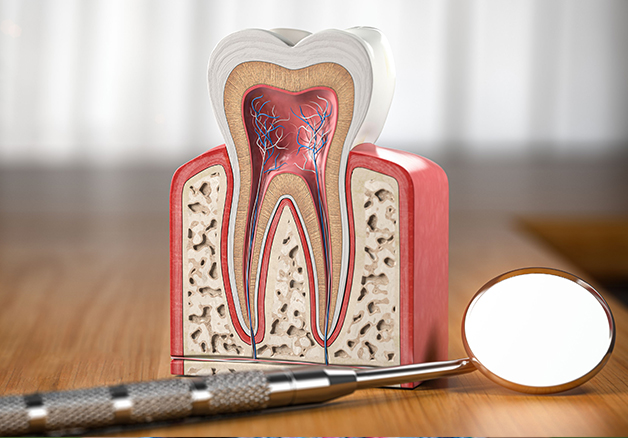
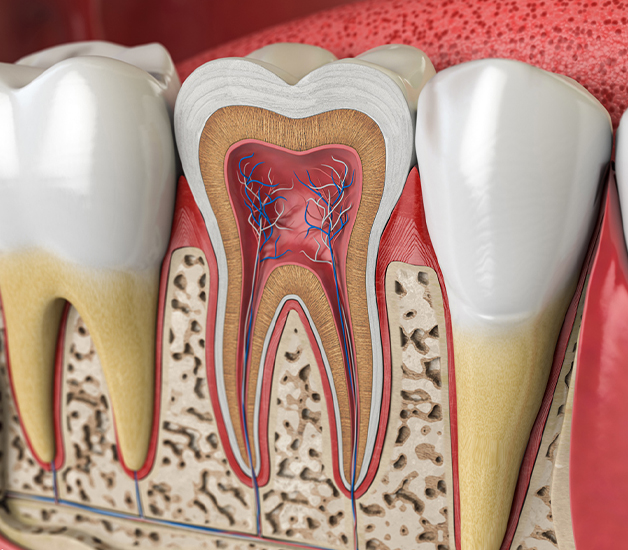
Our teeth are made up of dental enamel, dentin, and pulp. Dental enamel is the outer shell, while dentin is a softer layer underneath. The pulp, a soft tissue, is located beneath the dentin and contains connective tissue, nerves, and blood vessels.
Normally, the pulp is well protected by enamel and dentin. However, if bacteria enter through a deep cavity, fracture, or trauma, an infection can occur. An infected tooth is usually very painful, and if left untreated, the pain will get worse.
Root canal treatment can eliminate the infection, preserve natural teeth, and restore oral health. Compared to tooth extraction, root canal treatment is less uncomfortable and has a quicker recovery time.
Know the Warning Signs
Possible Signs You May Need a Root Canal
Not every toothache requires a root canal, but these symptoms mean it’s time to see a dentist promptly:
Chips or cracks in a tooth leave space for bacteria to settle in and cause infection, while lingering sensitivity may be a sign of severe decay or nerve damage. In general, a toothache is a sign you should see a dentist.
Guided by Advanced Imaging
What Happens During a Root Canal?
Root canals may cause anxiety in some patients, but there is no need to fear. Our dentists use state-of-the-art 3-D cone-beam (CBCT) imaging to carefully plan your treatment, allowing them to see the tooth in three dimensions.
With this 3-D view, our dentists can assess the tooth’s anatomy accurately and customize the procedure. This advanced technology, combined with anesthesia, improves patient comfort and outcomes. Patients usually feel significant relief right after the procedure is completed.
Anxiety-Free Dentistry
We Guarantee Your Comfort
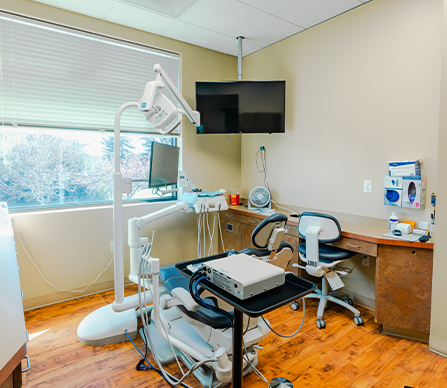
If you struggle with dental anxiety, we have the ideal solution for you. Our clinic offers oral sedation to help you feel relaxed during your dental procedure. In addition, we provide neck pillows, blankets, and TVs in our treatment rooms to ensure your comfort and well-being.
Before beginning the procedure, our dentist will administer a strong local anesthetic to numb the tooth. This guarantees that you will not feel any pain during the treatment. If you came to our clinic in pain, you will be relieved to experience immediate relief once the tooth is numb!
FAQs
Root Canal Questions We Hear Often
Stop the Pain. Save Your Tooth.
Persistent tooth pain won’t fix itself. Schedule an evaluation today, and we’ll find the cause, explain your options honestly, and get you comfortable again.