5 Essential Dental Crown Aftercare Tips For A Healthy Smile
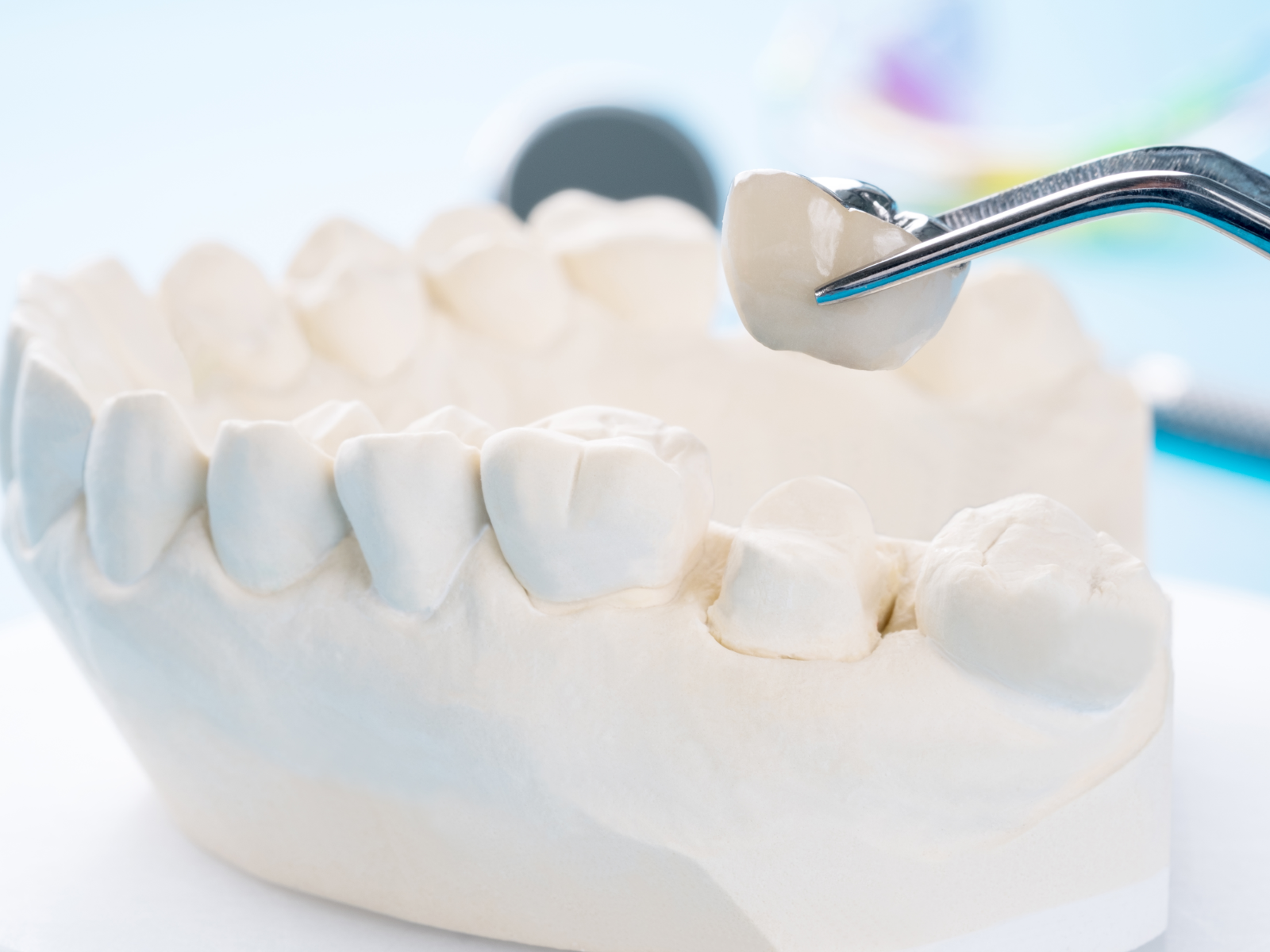
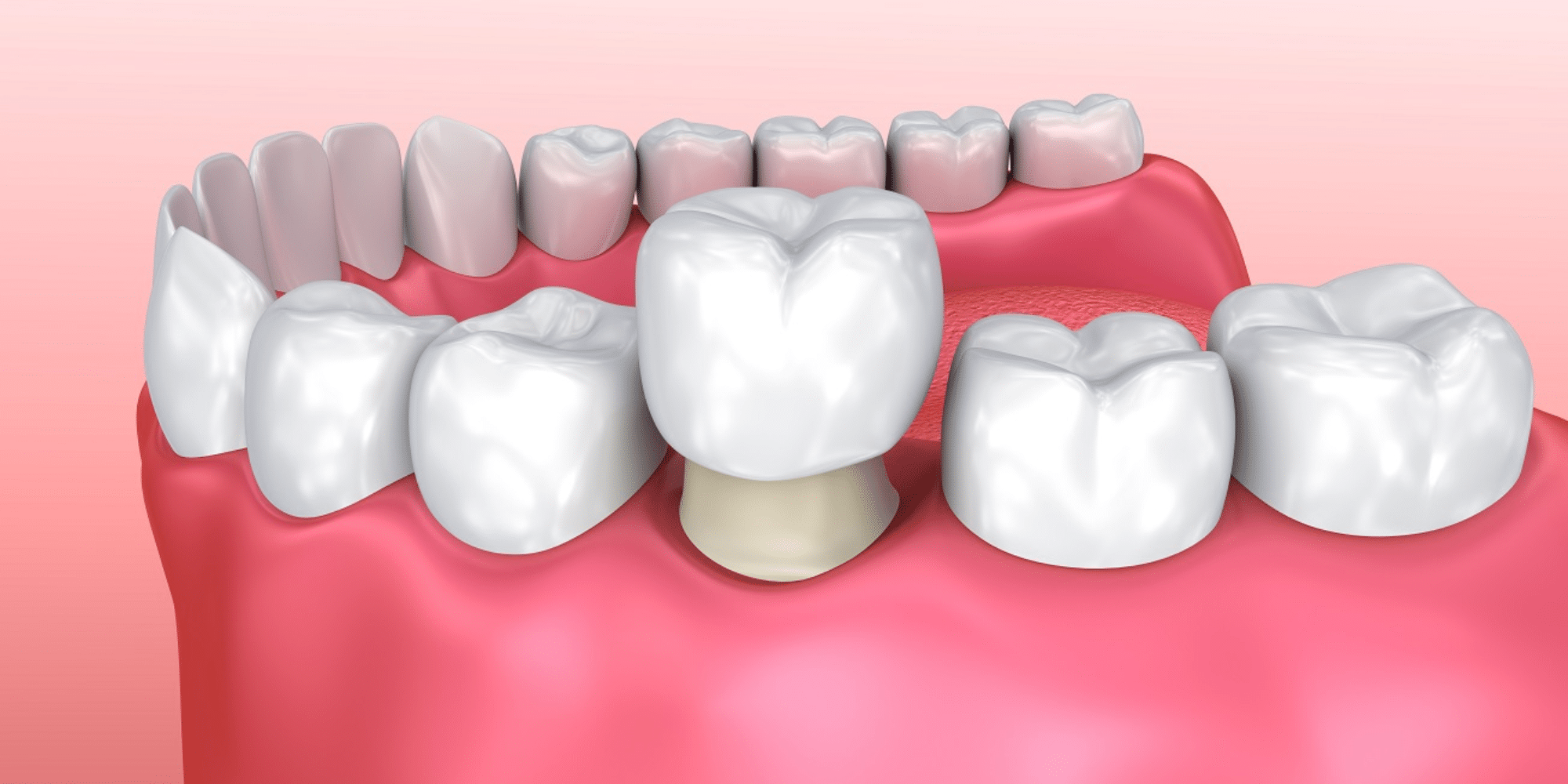
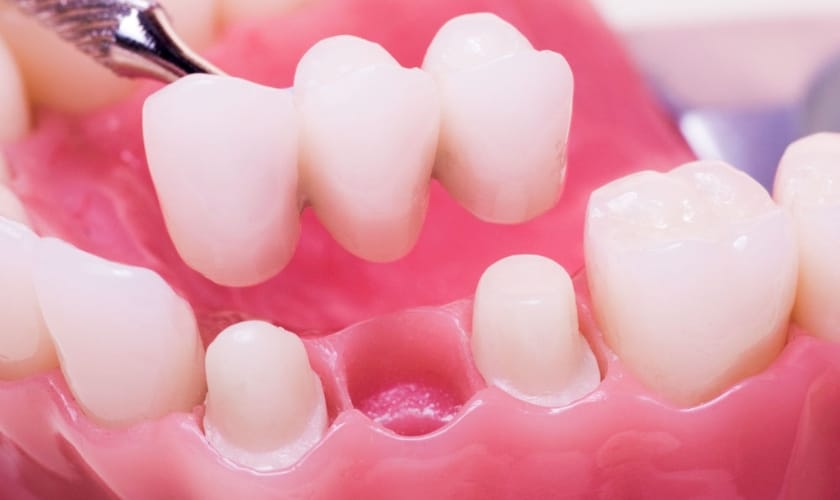
Dental crowns are a common dental restoration used to repair and strengthen damaged teeth. Whether you’ve just received a new crown or are planning to get one soon, proper aftercare is essential to ensure its longevity and maintain your oral health. In this comprehensive blog post, we’ll explore five essential dental crown aftercare tips that will help you achieve and maintain a healthy smile.
1. Practice Good Oral Hygiene
Maintaining excellent oral hygiene is crucial for the longevity of your dental crown and the health of your natural teeth and gums. Here’s how to practice good oral hygiene with a dental crown:
- Brush Twice a Day: Use a soft-bristled toothbrush and fluoride toothpaste to gently brush your teeth, including the crowned tooth. Brushing twice a day helps remove plaque and bacteria that can lead to decay and gum disease.
- Floss Daily: Flossing is essential to clean between your teeth and around the base of the dental crown where plaque can accumulate. Use a floss threader or interdental brushes if your crown creates space that regular floss cannot reach.
- Rinse with Mouthwash: An antibacterial mouthwash can help reduce bacteria in your mouth and around the crown. Rinse daily after brushing and flossing to maintain a clean and healthy mouth.
2. Be Mindful of Your Diet
While dental crowns are durable, they can still be damaged by certain foods and habits. Follow these tips to protect your crown:
- Avoid Hard Foods: Be cautious with hard or sticky foods that can potentially dislodge or damage your crown. This includes chewing ice, hard candies, and sticky snacks like caramels.
- Limit Sugary Foods: Sugary foods and drinks can contribute to tooth decay around the margins of your crown. Limit your intake of sugary treats and beverages, and remember to brush afterward if you do consume them.
- Be Gentle with Chewing: If your crown feels sensitive or uncomfortable when chewing, avoid using that side of your mouth until you can see your dentist.
3. Attend Regular Dental Check-ups
Regular dental check-ups are essential for monitoring the health of your dental crown and ensuring overall oral health. Your dentist will examine the crown for any signs of wear, damage, or decay and address any issues promptly. Aim to visit your dentist at least every six months or as recommended based on your specific dental needs.
4. Protect Your Crown from Damage
Taking precautions to protect your dental crown can prolong its lifespan and prevent unnecessary repairs or replacements:
- Wear a Mouthguard: If you grind or clench your teeth (bruxism), wearing a custom-made mouthguard can protect both your natural teeth and your dental crown from excessive wear and damage.
- Avoid Using Teeth as Tools: Refrain from using your teeth to open packages, tear tags, or perform other tasks that can exert excessive force on your crown and natural teeth.
5. Monitor for Signs of Potential Issues
Being proactive about your oral health includes monitoring your dental crown for any signs of potential issues. Contact your dentist if you experience any of the following:
- Pain or Sensitivity: Persistent pain or sensitivity in or around the crowned tooth could indicate an issue with the crown or underlying tooth structure.
- Looseness: If your crown feels loose or comes off, contact your dentist immediately. Avoid attempting to reattach it yourself, as this can cause further damage.
- Changes in Bite or Fit: Noticeable changes in how your dental crown fits or aligns with your natural teeth may require adjustments by your dentist to prevent complications.
Proper aftercare is crucial for maintaining the health and longevity of your dental crown. By practicing good oral hygiene, being mindful of your diet, attending regular dental check-ups, protecting your crown from damage, and monitoring for potential issues, you can ensure a healthy smile for years to come. Remember, your dentist is your partner in oral health, so don’t hesitate to reach out if you have any concerns about your dental crown or overall oral hygiene.