Root Canal Aftercare: 5 Effective Tips for a Speedy and Comfortable Recovery

Undergoing a root canal can be a daunting experience, but with proper aftercare, you can ensure a smooth and speedy recovery. Root canals are necessary to treat and save a tooth that is infected or badly decayed, and while the procedure itself is designed to alleviate pain, the recovery period is crucial for long-term success.
In this comprehensive guide, we will explore five effective tips to help you recover quickly and effectively after a root canal. From managing pain to maintaining oral hygiene, we’ve got you covered with practical advice to make your recovery as comfortable as possible.
Understanding the Root Canal Procedure
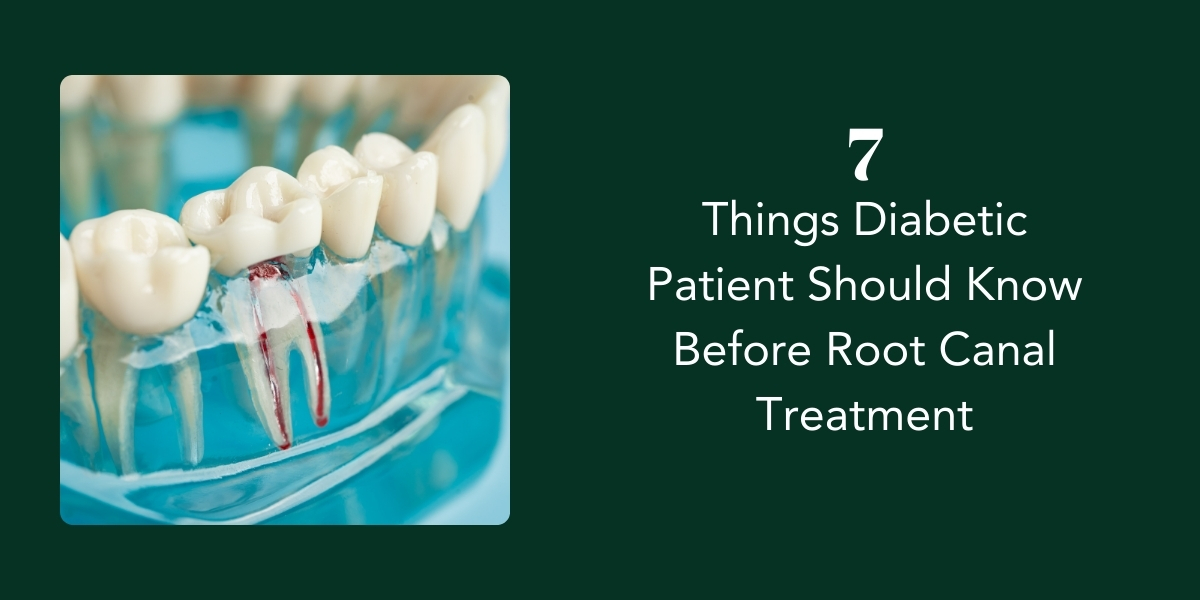
Before diving into aftercare tips, it’s important to understand what a root canal procedure entails. A root canal is a dental procedure that involves removing the infected or inflamed pulp from the inside of a tooth, cleaning and disinfecting the area, and then filling and sealing it to prevent further infection.
While the procedure has a high success rate and can save your tooth, the aftermath can involve discomfort, swelling, and sensitivity. Proper aftercare can minimize these symptoms and promote healing.

5 Effective Tips for Speedy Recovery
Recover swiftly from a root canal with these 5 effective tips:
Tip 1: Manage Pain and Discomfort
Use Prescribed Medication
After a root canal, it’s common to experience some pain and discomfort once the anesthesia wears off. Your dentist will likely prescribe pain medication to help manage this. Be sure to take the medication as directed to stay ahead of any pain. If over-the-counter pain relievers are recommended, such as ibuprofen or acetaminophen, follow the dosage instructions carefully.
Apply Cold Compresses
Swelling and inflammation are normal after a root canal. To reduce these symptoms, apply a cold compress to the affected area for 15-20 minutes at a time. The cold helps to numb the area and reduce swelling. Be sure to place a cloth or towel between the compress and your skin to avoid frostbite.
Avoid Chewing on the Affected Side
To prevent further irritation and pain, avoid chewing on the side of your mouth where the root canal was performed. Stick to soft foods that don’t require much chewing, such as yogurt, mashed potatoes, and smoothies. As you heal, you can gradually reintroduce harder foods.
Tip 2: Maintain Good Oral Hygiene
Gentle Brushing and Flossing
Keeping your mouth clean is essential to prevent infection and promote healing. Brush your teeth gently with a soft-bristled toothbrush, being careful around the treated area. Floss daily, but be cautious near the root canal site to avoid disturbing the healing tissue.
Use an Antiseptic Mouthwash
Rinsing your mouth with an antiseptic mouthwash can help kill bacteria and reduce the risk of infection. Choose a mouthwash that is alcohol-free to avoid irritation. Alternatively, you can rinse with a warm saltwater solution (one teaspoon of salt in a cup of warm water) several times a day to keep the area clean.
Avoid Smoking
Smoking can delay healing and increase the risk of complications after a root canal. If you smoke, try to quit or at least refrain from smoking during the recovery period. Your dentist can provide resources and support to help you quit smoking if needed.
Tip 3: Follow Your Dentist’s Instructions
Attend Follow-Up Appointments
It’s important to attend any scheduled follow-up appointments with your dentist. These visits allow your dentist to monitor your healing progress and address any concerns you may have. During these appointments, your dentist may also place a permanent crown or filling on the treated tooth to restore its function and appearance.
Complete the Full Course of Antibiotics
If your dentist prescribes antibiotics to prevent or treat an infection, make sure to complete the full course, even if you start to feel better before the medication is finished. Stopping antibiotics early can lead to a resurgence of the infection.
Report Any Unusual Symptoms
If you experience any unusual symptoms, such as severe pain, swelling, fever, or an allergic reaction to medication, contact your dentist immediately. Early intervention can prevent complications and ensure a smooth recovery.
Tip 4: Eat a Balanced Diet
Focus on Nutrient-Rich Foods
A balanced diet rich in vitamins and minerals can support your body’s healing process. Focus on nutrient-dense foods such as fruits, vegetables, lean proteins, and whole grains. These foods provide the essential nutrients your body needs to repair tissue and fight infection.
Stay Hydrated
Drinking plenty of water is crucial for overall health and recovery. Water helps to flush out toxins, keep your mouth moist, and promote healing. Aim to drink at least eight glasses of water a day, and avoid sugary or acidic beverages that can irritate your teeth.
Avoid Hard, Crunchy, and Sticky Foods
During your recovery, avoid foods that could potentially damage the treated tooth or cause discomfort. Stay away from hard, crunchy, and sticky foods such as nuts, popcorn, and caramel. These types of foods can put unnecessary pressure on the treated tooth and prolong the healing process.
Tip 5: Rest and Take Care of Yourself
Get Plenty of Sleep
Your body heals best when you are well-rested. Make sure to get plenty of sleep during your recovery period. Aim for at least 7-8 hours of sleep per night to give your body the time it needs to repair and regenerate tissue.
Avoid Strenuous Activities
Physical exertion and strenuous activities can increase blood flow to the treated area and lead to increased pain and swelling. Avoid heavy lifting, intense exercise, and other strenuous activities for a few days after your root canal. Instead, focus on light activities and allow your body to rest.
Manage Stress
Stress can negatively impact your immune system and slow down the healing process. Engage in stress-relieving activities such as meditation, deep breathing exercises, or gentle yoga. Taking time to relax and de-stress can help your body recover more quickly.
Recovering from a root canal doesn’t have to be a painful or prolonged experience. By following these five effective aftercare tips – managing pain and discomfort, maintaining good oral hygiene, following your dentist’s instructions, eating a balanced diet, and taking care of yourself – you can ensure a smooth and speedy recovery.
Remember, your dentist is your best resource for any questions or concerns you may have during your recovery. Don’t hesitate to reach out to them if you need additional guidance or support.
With proper care and attention, you can recover quickly from a root canal and enjoy a healthy, pain-free smile for years to come.