

Comprehensive Dental Implant Restoration Services
At Gresham Advanced Dentistry in Gresham and the surrounding area, we offer dental implant restoration services. While dental implants can last for decades, they may require maintenance and repair over time. Our team can help restore loose or damaged implants to their original form and function. Many patients find that they need restoration more often than they expect. If you have any questions about the process or need help choosing the right treatment, give us a call at (503) 661-2828 to schedule a consultation.
Dental implant restoration overview
According to the Center for Disease Control and Prevention and data from the National Health and Nutrition Examination Survey, a high percentage of adults aged 20-64 have dental caries and untreated tooth decay that can lead to tooth loss. However, tooth decay is not the only cause of tooth loss; gum disease and accidents or trauma can also result in missing teeth. By age 44, an estimated 69 percent of Americans have lost at least one tooth, highlighting the growing issue of tooth loss and the need for solutions.
One popular solution for tooth loss is dental implants, which provide a more permanent and natural-looking alternative to removable dentures. While dental implants are designed to last for many years, they still require maintenance. This is where implant restoration comes in, as it involves restoring the strength, appearance, and function of a dental implant that has become loose, damaged, or experienced other complications.
" Tooth loss is growing, and the need for solutions is growing with it."
Dental implant restoration is required when needed
Restoring a dental implant involves enhancing its strength, appearance, and functionality when it becomes loose or damaged. If a patient experiences any issues with their dental implant, it is recommended to seek help from a professional. Various circumstances may indicate the need for dental implant restorations, such as:
- Poor oral hygiene: Maintaining good oral hygiene practices, such as brushing, flossing, using mouthwash, and addressing any oral health issues promptly, is crucial for the longevity of dental implants.
- Fractured dental implant: If a dental implant becomes fractured, it will need to be removed and replaced by a dentist.
- Loose dental implant: Factors such as gum recession, gum disease, or implant instability can cause a dental implant to become loose. Seeking immediate assistance is important in such cases.
- Worn-down implant: While dental implants can last for many years, they can still be damaged over time due to aging or habits like teeth grinding.
- Cosmetic concerns: Cosmetic issues like discoloration can be addressed through implant restoration procedures.
Gresham Advanced Dentistry urges individuals facing issues with their dental implant or the surrounding area to book an appointment to explore how implant restoration can provide solutions for stability, function, appearance, and overall oral health.
" When a patient has an issue with a dental implant, it is best to seek assistance from a professional."
Summary of the implant restoration process
Every restoration procedure is unique. If complications arise with the dental implant and restoration is needed, the dentist will perform an oral examination to assess the severity of the issues and the root cause. Our team is available to address any questions you may have. The dentist may suggest other dental treatments, such as gum disease treatment, bone grafting, and gum grafting.
When it comes to replacing a dental implant, the current implant is usually removed and replaced with either a screw-retained or cement-retained restoration. These are the two main types of dental implant restorations. According to FOR.org, both types have complication rates of around 3%. A screw-retained restoration offers secure retention and is easy to tighten if it becomes loose, but it may not be as aesthetically pleasing. On the other hand, many find cement-retained restorations to be more visually appealing, but they can be harder to adjust if issues arise with the implant. Our team can assist you in determining which type is most suitable for you.
" If complications develop with the dental implant and restoration is necessary, the dentist will conduct an oral examination to determine the severity of the issues and the underlying cause."
Adhering to the process
After receiving an implant restoration, it is common to experience some discomfort and receive aftercare instructions. To promote faster recovery and prevent irritation, it is recommended to stick to a soft diet of nutritious foods and avoid sugary beverages. Regular follow-up visits are often necessary for patients.
To extend the lifespan of dental implants and reduce the need for restoration, it is advised to avoid certain foods, tobacco products, and smoking. When caring for dental implants, using a low-abrasion toothpaste and a soft-bristled toothbrush is recommended. Special flosses and interdental brushes can also help maintain the cleanliness and health of the area surrounding the dental implants.
" You can take steps to make your dental implants last and reduce the need for implant restoration. "
Implants that are lost or fractured
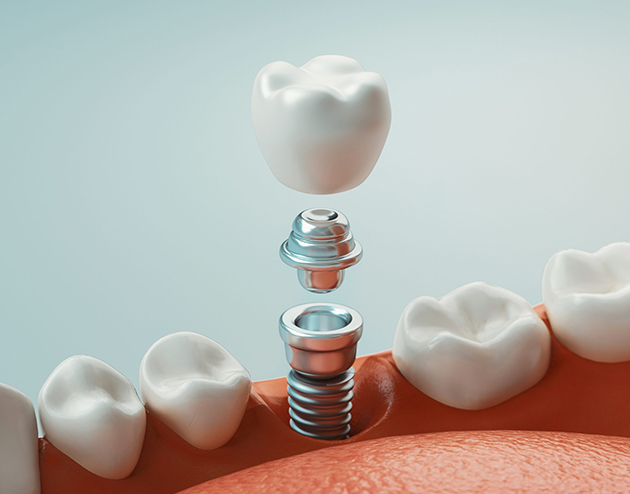
If the crown, abutment, or implant is loose or broken, it may be a simple fix. However, if the actual implant post is loose or fractured, the situation becomes more complex. A broken implant post will need to be removed and replaced with a new one. The same applies to a loose implant post, although in some cases the crown may be able to be reused on the new implant. If there is bone loss, bone grafting and healing time may be necessary before a new implant can be placed.
Regardless of the cause, a loose implant should be treated as a dental emergency. Ignoring a loose implant can lead to bone loss, infection, and worsening damage. Contact our team immediately if you experience any issues with your implant.


