

Top 7 Denture Reline Problems and Solutions
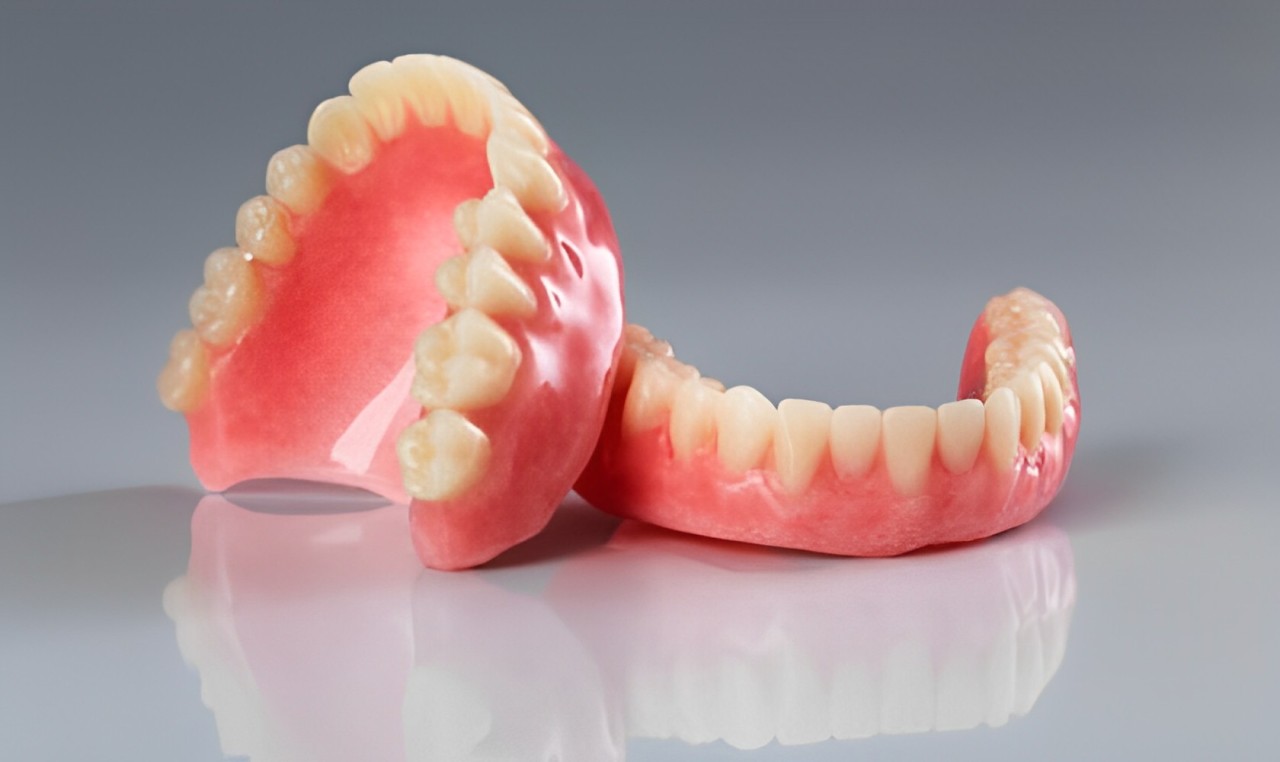
Denture relining is a key process in maintaining denture comfort and fit. Over time, dentures can become loose as the shape of the mouth changes due to gum shrinkage or bone loss. A poor fit leads to discomfort, speech issues, and difficulty eating. Properly relined dentures restore the close fit, improving overall comfort. However, relining can sometimes present its own set of problems.
This blog will explore the top 7 common denture reline problems and provide practical solutions to address them. Understanding these issues will help you maintain your dentures and improve your oral health.
What is Denture Relining?
Denture relining is the process of reshaping the underside of a denture to ensure a better fit. As your gums and jawbone change over time, dentures may no longer fit snugly. This is especially common for long-term denture wearers. Relining helps correct this issue without the need for a new denture.
Denture relines come in three primary varieties:
- Soft Reline: In this type, pliable material is used to line the denture, offering more comfort for those with sensitive gums or oral sores. This material remains soft for a longer time, making it ideal for patients who experience discomfort with hard relines.
- Hard Reline: Hard relines use a firmer material that closely mimics the original denture base. Dentists recommend this type for those seeking durability and a long-lasting solution. Hard relines provide a stable fit but can be less comfortable for some individuals.
- Temporary Reline: Temporary relines are used when the gums are inflamed or need time to heal. This type offers a softer material to give the gums time to recover before transitioning to a permanent solution.
Each reline type serves a different purpose and fits specific patient needs. Relining can restore comfort, prevent slippage, and improve overall oral function. However, it is crucial to monitor your denture after relining, as some problems may arise, such as poor fit or discomfort, that require additional attention.
Top 7 Denture Reline Problems and Their Solutions
1. Poor Fit After Relining
Problem:
After relining, some patients may still experience a loose or uncomfortable fit. This often happens when over-the-counter reline kits are used or when the reline material does not adhere properly to the denture base.
Solution:
It is important to visit a dentist for follow-up adjustments after relining. Professional relining services offer better results compared to DIY kits, which can be inaccurate and lead to further complications.
Your dentist may need to make minor adjustments to the relined dentures to improve the fit. In severe cases, a second relining may be necessary.
2. Increased Soreness and Irritation
Problem:
Patients sometimes experience gum soreness or irritation after a denture reline. This could be due to rough edges, pressure points, or an uneven surface on the relined denture.
Solution:
If soreness occurs, take a break from wearing your dentures to allow your gums to heal. Apply soothing oral gels or use saltwater rinses to reduce inflammation. If the discomfort persists, consult your dentist to smooth out rough areas or add cushioning through a soft reline. Additionally, ensure that your denture fits snugly to avoid unnecessary pressure on sensitive areas of your mouth.
3. Difficulty Chewing After Relining
Problem:
A newly relined denture might make chewing difficult, especially if the fit changes the alignment of your bite. Some patients report that their dentures feel different or unstable when chewing harder foods.
Solution:
Adjusting to a newly relined denture can take time. Start by eating softer foods and gradually reintroduce harder foods as your mouth gets used to the new fit.
Chew slowly and evenly to avoid placing too much pressure on one side. If you continue to struggle with chewing, schedule a visit with your dentist.
Minor adjustments to the denture or reline material may be required to improve your bite alignment.
4. Allergic Reactions to Relining Materials
Problem:
Although rare, some individuals may experience allergic reactions to the materials used in denture relines. Symptoms may include gum swelling, itching, or a burning sensation.
Solution:
If you suspect an allergic reaction, consult your dentist immediately. Your dentist can determine if the reline material is the cause and suggest alternative materials.
Hypoallergenic reline materials are available and can provide a safe, comfortable fit for those with allergies. Always inform your dentist of any known allergies before the reline procedure.
5. Bad Odor or Taste After Relining
Problem:
A common complaint after relining is an unpleasant odor or taste coming from the denture. This may occur due to bacteria build-up in the relined material or improper cleaning.
Solution:
Maintaining proper hygiene is crucial after relining. Clean your dentures daily using a soft-bristle brush and a specialized denture cleaner. Avoid using regular toothpaste, which can damage the relining material.
Additionally, soak your dentures overnight in a denture-cleaning solution to prevent bacterial growth. If the problem persists, consult your dentist, as a faulty reline may need to be replaced.
6. Cracking or Warping of the Denture
Problem:
Relining can sometimes lead to cracks or warping in the denture base, especially if improper techniques or materials are used. This can make the denture uncomfortable or even unusable.
Solution:
To prevent damage, always rely on professional denture relining services. DIY reline kits may cause uneven pressure and weaken the structure of the denture, leading to cracks. If your denture does crack or warp after a reline, seek immediate assistance from your dentist.
Depending on the extent of the damage, your dentist may repair or suggest creating a new denture to restore proper function.
7. Short-Term Discomfort and Adjustment Period
Problem:
It is common to experience temporary discomfort after a denture reline as your mouth adjusts to the new fit. This discomfort can include sore spots, a sensation of tightness, or minor difficulties in speaking.
Solution:
Give your mouth time to adjust to the new fit. Short-term discomfort is normal and should subside within a few days. Over-the-counter pain relievers can help manage any soreness during the adjustment period.
If the discomfort continues for more than a week, visit your dentist for an evaluation. Minor adjustments can often resolve lingering discomfort, ensuring a comfortable fit.
When to See a Professional for Denture Reline Problems?
If discomfort, pain, or poor fit persists after a denture relines, it is essential to seek professional help. Signs that require immediate attention include persistent gum soreness, denture slippage, or noticeable damage to the denture itself. While DIY relining kits may seem like a cost-effective option, they often result in imperfect fits that worsen the problem.
Dentists have access to high-quality materials and specialized tools, ensuring a precise and comfortable reline. Regular dental check-ups are essential for ensuring that your dentures continue to fit properly and that any problems are addressed early.
Never hesitate to consult your dentist if something does not feel right with your dentures after a reline.
How to Prevent Denture Reline Problems?
Preventing denture reline problems starts with proper care and maintenance. Regular check-ups with your dentist are essential for identifying early signs of denture wear or gum changes. Clean your dentures daily to avoid bacteria build-up, and handle them carefully to prevent damage.
Watch for signs that indicate you might need a reline, such as discomfort, slipping, or difficulty eating. Do not wait until your dentures are unwearable—schedule a relining appointment as soon as issues arise. Open communication with your dental professional can prevent most denture reline problems from becoming severe.
Denture relining is crucial to maintaining a comfortable, well-fitting denture. While problems like poor fit or soreness can arise, most can be easily resolved with the right approach. It is important to address any issues promptly and consult your dentist if you experience discomfort after relining. Professional relining ensures long-term comfort and oral health, giving you confidence in your dentures.
If you are experiencing any of the problems discussed, schedule a visit with your dentist for professional advice and solutions.


