Dental Care Understanding the Basics of Oral Hygiene
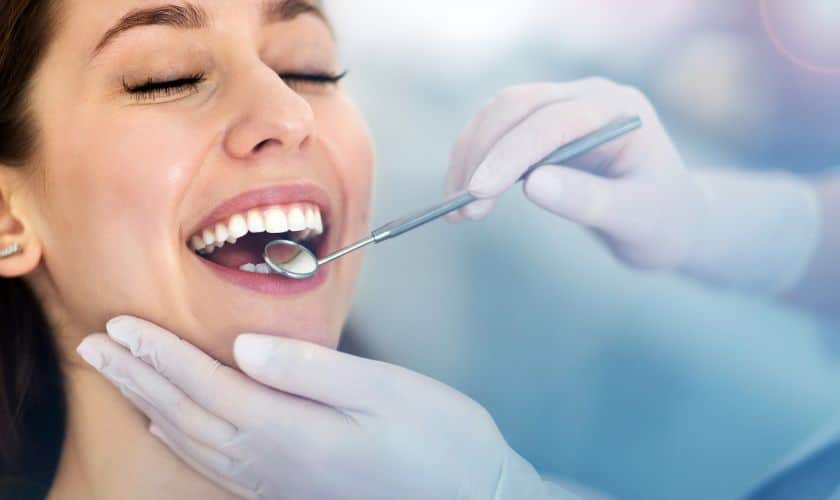
Embarking on a journey to maintain oral health necessitates a strong foundation in the essentials of dental care. This introduction delves into the core principles of oral hygiene, unveiling the significance of proper techniques and habits for a radiant and healthy smile. As we navigate through the intricacies of brushing, flossing, and tongue cleaning, you’ll discover the profound impact these practices have on preventing dental issues. By grasping the basics of dental care, you equip yourself with the knowledge and tools to forge a path towards a lifelong commitment to oral well-being, fostering confidence and vitality in every smile.
The Fundamentals of Brushing
Mastering proper brushing techniques is essential for effective plaque removal and oral health.
1. Choosing the Right Toothbrush and Toothpaste:
– Select a toothbrush with soft bristles to prevent enamel abrasion and gum irritation.
– Opt for fluoride toothpaste to strengthen enamel and protect against cavities.
2. Proper Brushing Techniques:
– Hold the toothbrush at a 45-degree angle to the gumline.
– Use gentle circular or back-and-forth motions to clean tooth surfaces, ensuring thorough coverage.
The Art of Flossing
Flossing is a crucial component of effective oral hygiene that targets areas brushing might miss.
1. Understanding the Role of Flossing:
– Flossing removes food particles and plaque from between teeth and along the gumline.
– It helps prevent cavities, gum disease, and bad breath by reaching areas a toothbrush can’t access.
2. Step-by-Step Guide to Effective Flossing:
– Use about 18 inches of floss, winding most of it around your middle fingers.
– Gently guide the floss between teeth, forming a “C” shape to hug each tooth’s surface and clean thoroughly.
Tongue Cleaning and Mouthwash
Incorporating tongue cleaning and mouthwash into your routine enhances oral hygiene and freshness.
1. Benefits of Tongue Cleaning:
– Cleaning the tongue removes bacteria, food debris, and dead cells, combating bad breath.
– A clean tongue promotes overall oral health and enhances the sense of taste.
2. Incorporating Mouthwash for Enhanced Oral Freshness:
– Mouthwash helps kill bacteria and reduce plaque, complementing brushing and flossing.
– Choose an alcohol-free mouthwash to avoid drying out the mouth, promoting a comfortable and refreshed feeling.
Nutritional Impact on Oral Health
Making wise dietary choices significantly influences the health of your teeth and gums.
1. Promoting Healthy Teeth and Gums:
– Foods rich in calcium, vitamin D, and phosphorus strengthen teeth and bones.
– Crunchy fruits and vegetables like apples and carrots stimulate saliva production, aiding in natural cleaning.
2. Foods to Limit or Avoid:
– Sugary snacks and beverages contribute to tooth decay and should be consumed in moderation.
– Acidic foods like citrus fruits and carbonated drinks can erode enamel, increasing the risk of cavities.
Regular Dental Check-Ups
Scheduling routine dental visits is vital for maintaining optimal oral health.
1. Professional Assessment and Cleaning:
– Dentists perform thorough examinations to detect potential issues early.
– Professional cleanings remove plaque and tartar buildup, reducing the risk of cavities and gum disease.
2. Preventive Care and Early Intervention:
– Regular check-ups allow for timely preventive measures and early treatment if problems arise.
– Dentists can offer personalized advice to enhance your oral hygiene routine, promoting lasting dental well-being.
Addressing Common Misconceptions
Dispelling myths and clarifying misconceptions about dental care is crucial for informed oral hygiene.
1. Over Brushing vs. Proper Brushing:
– Over Brushing with excessive force can harm gums and enamel, while proper brushing techniques are gentle and effective.
2. Mouthwash as a Substitute for Brushing:
– Mouthwash complements brushing and flossing but doesn’t replace them for thorough plaque removal and cleaning.
Personalized Oral Care Routine
Tailoring your oral hygiene routine to your individual needs ensures optimal dental health.
1. Consulting Your Dentist:
– Dentists can assess your oral condition and recommend specific practices or products.
– Personalized guidance ensures you address unique concerns and maintain a targeted routine.
2. Consistency and Adaptability:
– Establish a consistent routine but remain adaptable to changes based on dental recommendations or evolving needs.
– Balancing routine habits with flexibility ensures ongoing oral well-being and the best results.
Source : Harvard School of Dental Medicine
By embracing the fundamental aspects of oral hygiene basics, from effective brushing and flossing to mindful dietary choices and regular dental visits, you pave the way for a lifetime of oral health. Dismissing misconceptions, practicing personalized routines, and seeking professional guidance empower you to maintain a confident and vibrant smile, highlighting the vital connection between oral hygiene and overall well-being.