Dental Crowns: Jewels of Dentistry Enhancing Your Smile’s Majesty
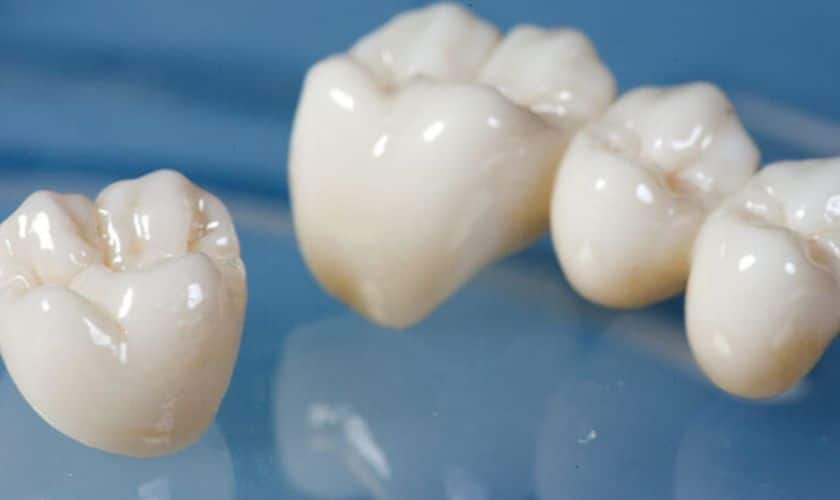
Welcome to the world of dental crowns, the crown jewels of dentistry, where the power to enhance your smile’s majesty lies. Dental crowns are custom-made caps that cover damaged, discolored, or misshapen teeth, restoring their strength, function, and beauty. With meticulous craftsmanship and advanced materials, these crown jewels offer a seamless blend with your natural teeth, resulting in a dazzling smile transformation. Beyond their aesthetic appeal, dental crowns provide long-lasting durability, protecting weakened teeth and preventing further damage. Whether you desire to regain your confidence or improve your oral health, embrace the regal elegance of dental crowns and unlock the true magnificence of your smile.
Dental Crowns: Overview
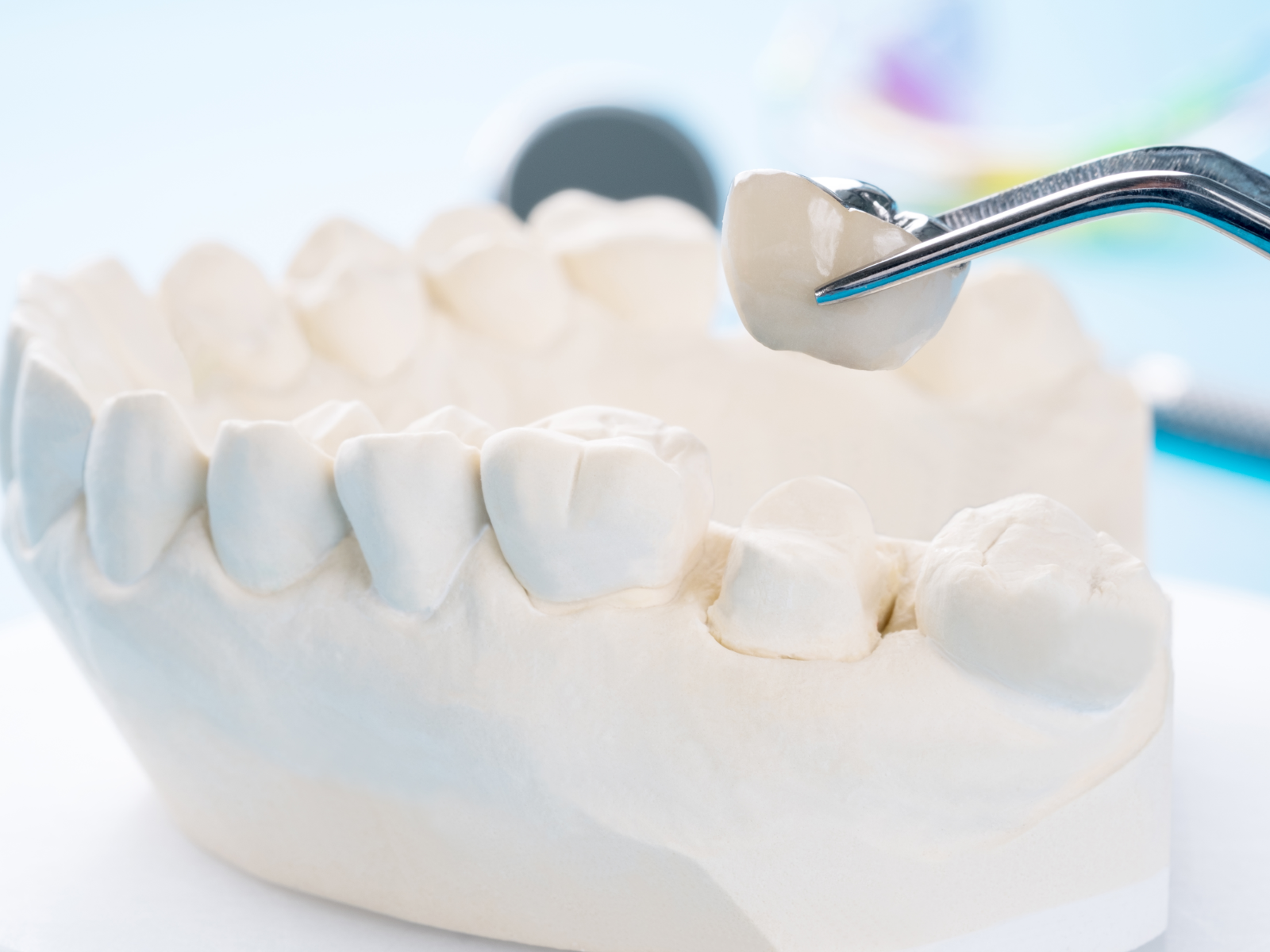
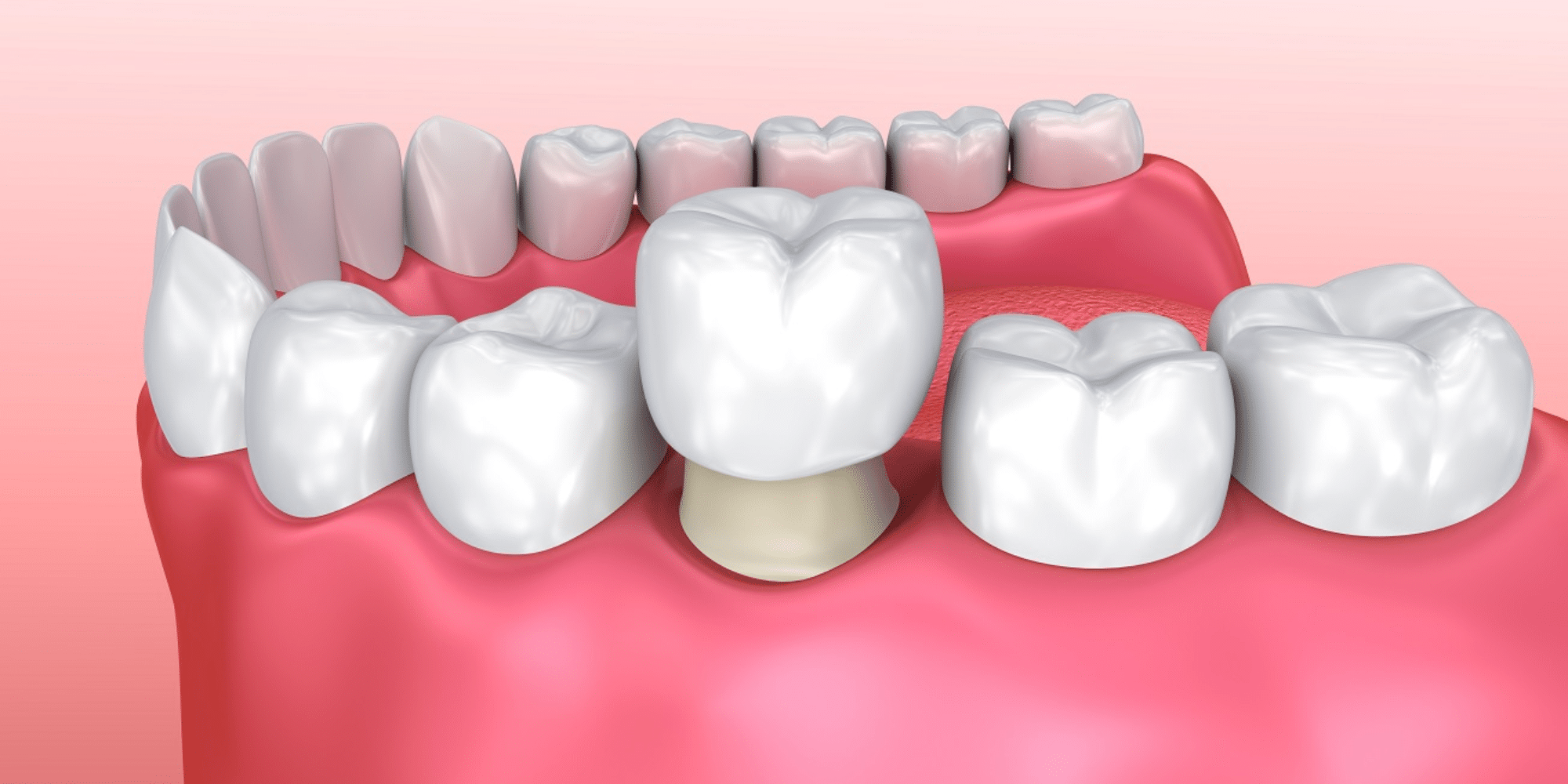
Dental crowns are versatile restorative dental devices designed to restore and protect damaged teeth. Made from durable materials like porcelain, ceramic, or metal alloys, crowns are custom-made to fit over the entire visible portion of a tooth. They effectively cover and strengthen teeth affected by decay, fractures, or discoloration, while providing an aesthetically pleasing appearance. Dental crowns also play a vital role in supporting dental bridges or covering dental implants. By preserving the natural tooth structure and improving its functionality, crowns contribute to a healthier bite, enhanced oral health, and a confident smile. With proper care, dental crowns can last for many years, ensuring lasting dental wellness.
Source : Teeth Talk Girl
Different Approaches to Dental Crowns
1. Porcelain Crowns: These crowns are made of porcelain material that closely resembles the natural color and translucency of teeth, providing a highly aesthetic result.
2. Ceramic Crowns: Ceramic crowns are known for their excellent durability and natural appearance. They are often used for front teeth restorations.
3. Metal Crowns: Metal crowns, such as gold or silver alloy crowns, are known for their strength and longevity. They are ideal for back teeth restorations where aesthetics is not a primary concern.
4. Porcelain-fused-to-Metal (PFM) Crowns: These crowns combine the strength of a metal base with a porcelain overlay, providing both durability and a natural appearance.
5. Zirconia Crowns: Zirconia crowns are highly durable and offer excellent aesthetic results. They are known for their strength and resistance to chipping or cracking.
6. Composite Resin Crowns: These crowns are made of a tooth-colored composite resin material, providing a more affordable option for tooth restoration with good aesthetics.
7. Temporary Crowns: Temporary crowns are typically made of acrylic or stainless steel and are used to protect the tooth while the permanent crown is being fabricated.
Upsides of Dental Crowns
1. Restoration of Functionality: Dental crowns restore the functionality of damaged teeth by covering and protecting them. They enable patients to chew and bite properly, improving their ability to eat a wide variety of foods without discomfort.
2. Aesthetic Enhancement: Crowns are designed to closely mimic the appearance of natural teeth. They can effectively address issues such as discoloration, misalignment, or irregular shape, enhancing the overall aesthetics of the smile and boosting self-confidence.
3. Protection and Support: Crowns provide a protective barrier for weak or damaged teeth, preventing further deterioration and potential fractures. They help to stabilize teeth that have undergone extensive dental work or root canal treatment, offering long-term support.
4. Durability and Longevity: Dental crowns are crafted from durable materials that can withstand the forces of biting and chewing. With proper oral hygiene and regular dental care, crowns have the potential to last for many years, providing a reliable and long-lasting solution.
5. Versatility: Dental crowns are highly versatile and can be used in various dental procedures. They are commonly employed in restoring severely decayed or broken teeth, covering dental implants, and anchoring dental bridges, offering flexible solutions for different dental needs.
Maintaining Your Enhanced Grin
1. Good Oral Hygiene: Maintain proper oral hygiene by brushing your teeth twice a day with a soft-bristle toothbrush and fluoride toothpaste. Pay special attention to the area around the dental crown, ensuring that you clean it thoroughly.
2. Floss Regularly: Use dental floss or interdental cleaners to clean between your teeth and around the dental crown. This helps remove plaque and food particles that can accumulate and cause gum disease or decay.
3. Avoid Hard or Sticky Foods: Be cautious when consuming hard or sticky foods as they can potentially damage or dislodge your dental crown. Avoid chewing on ice, popcorn kernels, or hard candies. Cut food into smaller, manageable pieces when necessary.
4. Avoid Teeth Grinding or Clenching: If you have a habit of grinding or clenching your teeth, known as bruxism, consult your dentist. They may recommend a night guard or other interventions to protect your dental crown and natural teeth from excessive force.
5. Regular Dental Check-ups: Schedule regular dental check-ups and cleanings with your dentist. They will examine your dental crown, assess its condition, and ensure it remains intact and functional. Professional cleanings help remove stubborn plaque and maintain the overall health of your teeth and gums.
In conclusion, dental crowns serve as the crown jewels of dentistry, offering a multitude of benefits. They restore functionality, enhance aesthetics, provide protection and support, boast durability, and offer versatility in various dental procedures. With proper maintenance and regular dental care, dental crowns can ensure long-lasting oral health and a confident smile.
FAQs:
1. Are dental crowns painful?
While the process of getting a dental crown generally involves local anesthesia, some patients may experience mild discomfort or sensitivity after the procedure. However, this discomfort is usually temporary and can be managed with over-the-counter pain relievers.
2. How long do dental crowns last?
The lifespan of dental crowns can vary depending on factors such as oral hygiene practices, habits (like teeth grinding), and the material used for the crown. On average, dental crowns can last between 10 to 15 years or even longer with proper care.