Get Ready to Smile with Confidence! A Step-by-Step Guide to Making Your Dental Implants Look Amazing in 7 Days

Are you tired of hiding your smile behind closed lips? Well, get ready to break free from the chains of self-consciousness and embrace a radiant grin that will light up any room! In this step-by-step guide, we’re about to take you on a transformative journey toward achieving dental implant perfection in just 7 days. Say goodbye to insecurities and hello to a confident, beaming smile that will leave everyone wondering what your secret is. So buckle up and get ready to embark on this exciting quest where sparkling teeth and unwavering confidence await you at every turn!
What are Dental Implants?
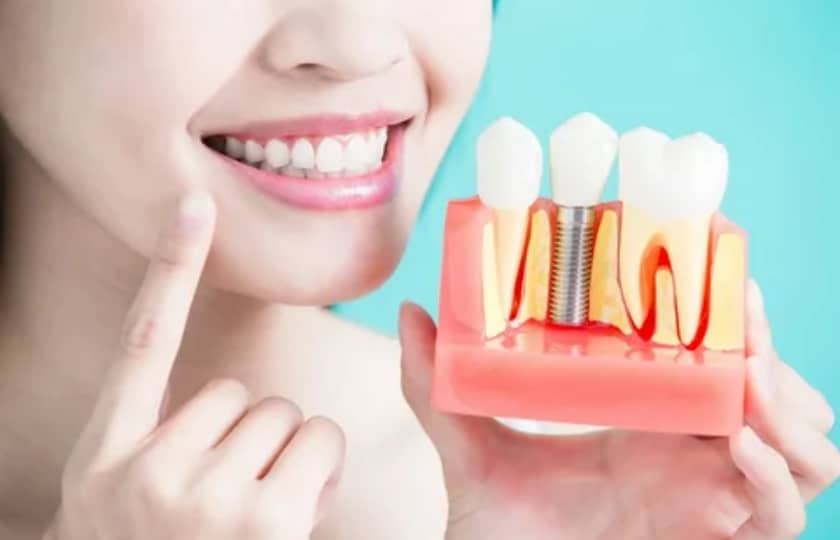
Dental implants are a popular and effective solution for replacing missing teeth. They are artificial tooth roots made of titanium that are surgically placed into the jawbone to support a replacement tooth or bridge. These implants provide a strong foundation for fixed or removable replacement teeth, giving patients the confidence to smile, eat, and speak without worrying about their teeth.
Dental implants are an excellent solution for those seeking to replace missing teeth. They provide a natural-looking and long-lasting alternative to traditional dentures or bridges. With advancements in technology, the process of getting dental implants has become quicker and more comfortable than ever before. Talk to your dentist today to see if dental implants are the right choice for you!
Benefits of Dental Implants
Dental implants are a popular and effective solution for replacing missing or damaged teeth. They provide numerous benefits that can not only improve your oral health but also enhance your overall quality of life. In this section, we will explore the top benefits of dental implants in detail.
- Improved Aesthetics: One of the biggest advantages of dental implants is that they look and feel like natural teeth. The artificial tooth root, made from titanium, is surgically placed into the jawbone and acts as a strong foundation for the replacement tooth or crown. This creates a seamless integration with your existing teeth, resulting in a natural-looking smile that boosts your self-confidence.
- Long-lasting Solution: With proper care and maintenance, dental implants have an impressive success rate of over 95%. This makes them one of the most durable options for tooth replacement compared to other alternatives, such as dentures or bridges, which may need to be replaced every few years.
- Improved Jawbone Health: When a tooth is missing, it can lead to bone loss in the jaw due to lack of stimulation from chewing and biting motions. Dental implants mimic natural teeth by continuously stimulating the jawbone, promoting bone growth, and preventing further deterioration.
- Enhanced Oral Functionality: Missing teeth can significantly impact your ability to chew and speak properly, leading to difficulty eating certain foods and even affecting speech patterns. Dental implants function just like natural teeth, allowing you to eat comfortably and speak clearly without any restrictions.
- Low Maintenance: Unlike dentures which require special cleaning solutions or bridges that may need extra flossing tools, dental implants can be cared for just like regular teeth – with brushing twice daily, flossing once a day, and regular check-ups with your dentist.
- Durable & Cost-effective: While dental implant treatment may initially seem more expensive than other tooth replacement options, such as dentures or bridges, they are actually more cost-effective in the long run. With their high success rate and long lifespan, dental implants eliminate the need for frequent replacements, saving you time and money in the future.
Dental implants offer a multitude of benefits that not only improve your oral health but also enhance your overall quality of life. From improved aesthetics to enhanced functionality and durability, they are an excellent investment for anyone looking to restore their smile with confidence. Stay tuned for the next section, where we will discuss the step-by-step process of getting dental implants and how to maintain them for a lifetime of healthy smiles!
Preparing for Your Dental Implant Procedure
If you have decided to get dental implants, congratulations! This is a big step towards achieving a confident and beautiful smile. However, before the actual procedure, there are certain steps that you need to take in order to prepare yourself for the best possible outcome.
- Consultation with Your Dentist:
The first and most important step is to schedule a consultation with your dentist. During this visit, your dentist will assess your oral health and determine if you are a suitable candidate for dental implants. They will also discuss the procedure in detail, including any potential risks or complications. This is also an opportunity for you to ask any questions or address any concerns that you may have. - X-rays and Impressions:
Your dentist may require x-rays and impressions of your teeth and jawbone in order to plan the placement of your dental implants accurately. These images will help them determine the ideal position and angle for the implant, ensuring a successful outcome. - Medical History Review:
Before undergoing any surgical procedure, it is crucial to inform your dentist about any pre-existing medical conditions or allergies that you may have. This information will help them make necessary adjustments in your treatment plan and minimize any potential risks. - Medications:
Your dentist may advise you to stop taking certain medications, such as blood thinners or aspirin, before the surgery as they can increase bleeding during the procedure. It is essential to follow their instructions carefully and inform them about all medications that you are currently taking. - Pre-Surgery Diet:
Eating a healthy diet leading up to your surgery can aid in faster recovery post-procedure. Make sure to include foods rich in vitamins A, C, D, calcium, and protein, which promote bone health. - Dental Hygiene:
Maintaining good oral hygiene is crucial before getting dental implants as it helps prevent infection after the surgery. Brushing twice daily with fluoride toothpaste and flossing regularly will keep your mouth free of bacteria and ensure a healthy healing process. - Arrange for Transportation:
Dental implant surgery is usually performed under local anesthesia, which means you will not be able to drive yourself home after the procedure. It is recommended to have someone accompany you or arrange for transportation beforehand.
By following these steps and preparing yourself both mentally and physically, you can ensure a smooth and successful dental implant procedure. Your new smile awaits!
How to Care for Your Dental Implants After Surgery
Dental implants are a fantastic solution for missing teeth, providing a long-lasting and natural-looking replacement that can restore your smile and confidence. However, as with any surgical procedure, proper aftercare is crucial to ensure the success of your dental implant surgery.
Here are some essential tips on how to care for your dental implants after surgery:
- Follow Post-Operative Instructions:
Your dentist will provide you with detailed post-operative instructions that you must follow carefully. These instructions may include guidelines on pain management, diet restrictions, oral hygiene practices, and follow-up appointments. It is crucial to adhere to these instructions strictly to ensure proper healing and minimize the risk of complications. - Manage Pain and Swelling:
It is normal to experience some discomfort or swelling in the first few days following your dental implant surgery. To manage pain and swelling, your dentist may prescribe pain medication or recommend over-the-counter options such as ibuprofen or acetaminophen. Applying an ice pack on the affected area can also help reduce swelling. - Stick to Soft Foods:
During the initial healing period, it is essential to stick to soft foods that won’t put too much pressure on your dental implants or irritate the surgical site. Some suitable options include mashed potatoes, soup, smoothies, scrambled eggs, and pasta dishes without hard ingredients like nuts or seeds. - Avoid Smoking and Alcohol Consumption:
Smoking can delay healing by reducing blood flow in the gums and increasing the risk of infection. It also increases the chances of implant failure in the long term due to its impact on bone health. Similarly, drinking alcohol can also hinder proper healing by interfering with blood clotting and causing dry mouth. - Maintain Good Oral Hygiene:
Proper oral hygiene is critical for ensuring successful dental implant surgery outcomes in both short-term healing time and long-term maintenance of your implants’ health. Your dentist may recommend using an antimicrobial mouthwash and a soft-bristled toothbrush to keep your implant area clean. Flossing is also crucial, but you should avoid the surgical site until it has fully healed. - Attend Follow-Up Appointments:
Your dentist will schedule follow-up appointments after your surgery to monitor your healing progress and ensure that your implants are functioning correctly. It is vital to attend these appointments as they allow your dentist to detect any issues early on and provide timely treatment.
By following these tips, you can ensure proper care for your dental implants after surgery, leading to a successful outcome and a confident smile that lasts for years to come! Remember, if you have any concerns or questions during the healing process, do not hesitate to contact your dentist for guidance and support.
Congratulations on completing your 7-day journey to dental implant perfection! Now, it’s time to unveil your radiant smile to the world with unwavering confidence. Embrace the transformation you’ve undergone, leaving behind the insecurities that once held you back. With your newfound grin, you’ll exude positivity and charm wherever you go, captivating everyone around you. Remember, the secret to your dazzling smile lies in your commitment to this transformative process. Continue to prioritize your dental health and maintain the radiance of your implants for years to come. So go ahead, flash that confident smile, and inspire others to embark on their journey towards dental perfection. With your beaming grin, the world is yours to conquer!
FAQs
Q1) Will the Procedure Be Painful?
A: One of the top concerns about dental implant surgery is whether or not it will be painful. While every individual’s pain tolerance may vary, it is important to note that dental implant surgery is typically less painful than other oral surgeries. Your dentist will administer local anesthesia to numb the area before beginning the procedure, ensuring that you do not feel any discomfort during the surgery.
Q2) How Long Does the Process Take?
A: The duration of a dental implant procedure can vary based on several factors such as the number of implants needed and your body’s healing process. However, in most cases, it involves two main stages – initial surgery and placement of permanent prosthetic teeth. The initial surgery usually takes 1-2 hours per implant while placing permanent prosthetic teeth can take 3-6 months depending on how quickly your mouth heals.
Q3) Are Dental Implants Expensive?
A: The cost of dental implants may seem daunting at first glance, but they are actually a long-term investment in your oral health. Unlike other tooth replacement options like dentures or bridges which need to be replaced every few years, dental implants are designed to last a lifetime with proper care and maintenance.
Q4) What Happens If I Have Insufficient Jawbone?
A: To ensure successful placement and integration of an implant into your jawbone, there needs to be enough bone density present. If you have insufficient jawbone due to conditions like gum disease or prolonged tooth loss, additional procedures such as bone grafting may be necessary before proceeding with dental implant surgery.
5) Is There Any Risk Involved?
A: As with any surgical procedure, there is a minimal risk of complications with dental implants. However, these risks are significantly lower compared to other tooth replacement options. Your dentist will discuss all potential risks and complications with you before the procedure and take necessary precautions to minimize them.