Enhance Your Dental Health with Dental Crowns in Gresham, OR
In the picturesque city of Gresham, Oregon, achieving optimal dental health and a radiant smile is made possible through the transformative power of dental crowns. These dental wonders have long been hailed as a versatile solution for an array of dental issues, from strengthening weakened teeth to enhancing their aesthetics. This comprehensive guide delves into the realm of dental crowns in Gresham, illuminating their vital role in preserving and restoring dental health. From understanding the different types of crowns to exploring their myriad benefits, we embark on a journey to discover how these tiny, customized marvels can make a world of difference in your oral well-being.
Understanding Dental Crowns
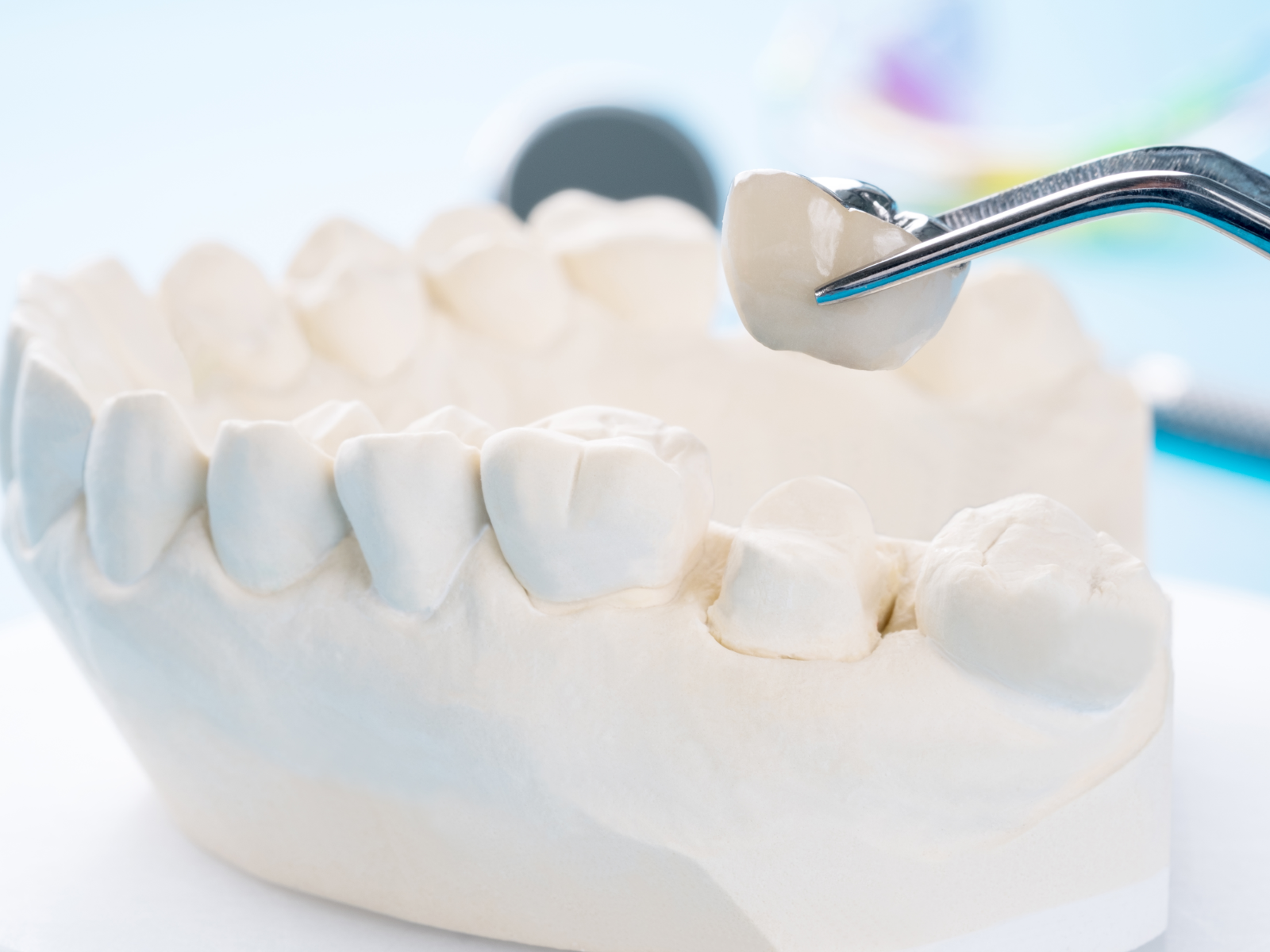
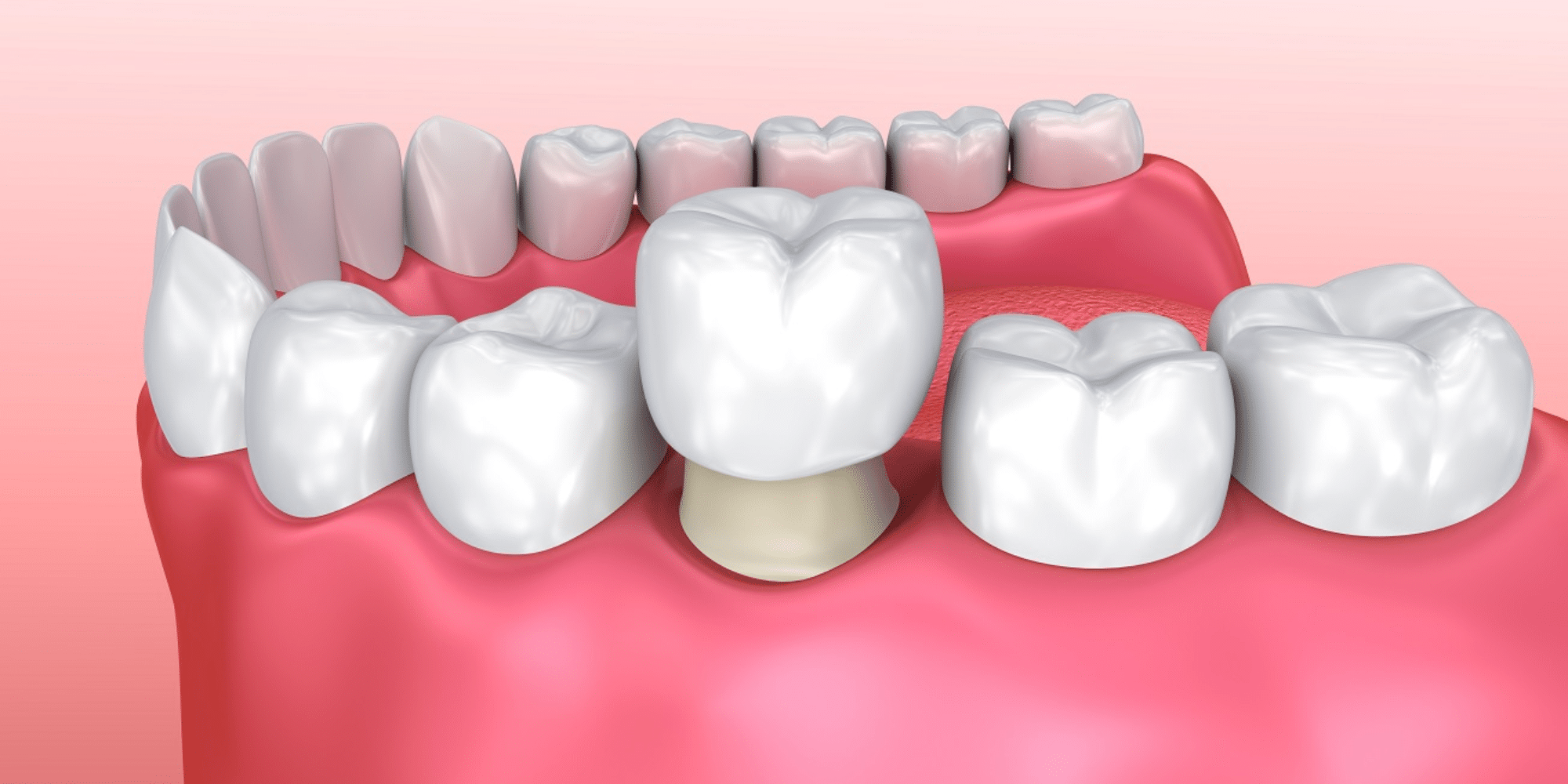
1. Purpose of Dental Crowns: Dental crowns, also known as dental caps, are custom-made covers that are placed over a damaged or weakened tooth. They serve multiple purposes, including strengthening the tooth’s structure, restoring its shape and size, and improving its appearance. Crowns are often used when a tooth has extensive decay, a large filling, a fracture, or after a root canal treatment.
2. Types of Dental Crowns: Dental crowns can be made from various materials, each with its unique advantages:
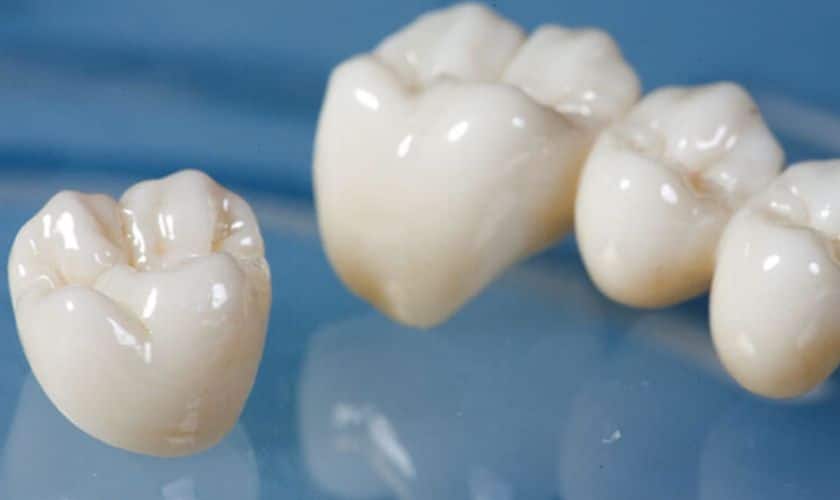
– Porcelain or Ceramic Crowns: These crowns closely mimic the natural appearance of teeth and are commonly used for front teeth due to their aesthetic appeal.
– Metal Crowns: Metal crowns, such as gold or silver alloy crowns, are highly durable and withstand heavy biting forces. They are often used for back teeth.
– Porcelain-fused-to-Metal (PFM) Crowns: These crowns combine the strength of metal with the natural appearance of porcelain, making them suitable for both front and back teeth.
– All-Resin or All-Ceramic Crowns: These crowns offer a good balance between aesthetics and durability and are used for various teeth.
3. Customization and Placement: The process of getting a dental crown involves several steps:
– Consultation: A dentist assesses the tooth’s condition and determines if a crown is necessary.
– Tooth Preparation: The tooth is shaped to create space for the crown. Impressions are taken to ensure a custom fit.
– Temporary Crown: A temporary crown may be placed while the permanent crown is being fabricated in a dental laboratory.
– Permanent Crown Placement: Once ready, the permanent crown is placed and cemented onto the prepared tooth, restoring its function and appearance.
Common Reasons for Dental Crowns
1. Tooth Decay and Cavities: Dental crowns are frequently used to restore teeth that have suffered significant decay or cavities. When a tooth is affected by decay that is too extensive to be repaired with a traditional filling, a crown is placed over the remaining healthy tooth structure to strengthen it and protect it from further damage.
2. Tooth Fractures and Cracks: Teeth that are fractured or cracked due to trauma, injury, or biting on hard objects often require dental crowns. The crown covers and holds together the damaged tooth, preventing further splitting and protecting it from infection. This restores the tooth’s strength and integrity.
Benefits of Dental Crowns
1. Restoration of Tooth Function: Dental crowns are designed to restore the function of a damaged or weakened tooth. By covering the tooth’s surface, crowns provide support and strength, allowing individuals to bite and chew without discomfort or difficulty. This restoration of function is vital for maintaining proper oral health and overall well-being.
2. Aesthetic Enhancement: Dental crowns can significantly improve the appearance of a tooth. They are custom-made to match the color, shape, and size of the patient’s natural teeth, ensuring a seamless and aesthetically pleasing smile. Whether used for front or back teeth, crowns enhance the overall appearance and boost confidence.
Types of Dental Crowns
1. Porcelain or Ceramic Crowns: Porcelain or ceramic crowns are known for their natural appearance and ability to closely mimic the color and translucency of natural teeth. They are often used for front teeth and in highly visible areas of the mouth. These crowns provide excellent aesthetics and are suitable for patients who prioritize a lifelike smile.
2. Metal Crowns: Metal crowns are typically made from alloys containing gold, silver, or other metals. They are known for their exceptional durability and strength, making them an excellent choice for back teeth that endure significant biting forces. While they may not match the natural color of teeth, metal crowns are valued for their longevity and functionality.
The Dental Crown Procedure
1. Tooth Preparation: The dental crown procedure typically begins with tooth preparation. During this stage, the dentist removes any decay or damaged areas from the tooth. The tooth is then reshaped to create a secure and stable foundation for the crown. Impressions or digital scans of the prepared tooth and surrounding teeth are taken to ensure the crown’s precise fit.
2. Temporary Crown Placement: In some cases, a temporary crown may be placed over the prepared tooth while the permanent crown is being fabricated in a dental laboratory. This temporary crown protects the tooth and allows the patient to maintain normal oral function and aesthetics. Once the permanent crown is ready, it is custom-fitted and cemented onto the prepared tooth during a subsequent appointment.
Caring for Dental Crowns
1. Oral Hygiene: Maintaining excellent oral hygiene is crucial to the longevity of dental crowns. Brush your teeth at least twice a day using a soft-bristle toothbrush and fluoride toothpaste. Floss daily to clean between teeth and around the crown. Good oral hygiene helps prevent gum disease and decay, which can affect the longevity of the crown.
2. Avoiding Teeth Grinding: If you have a habit of grinding or clenching your teeth (bruxism), it’s important to address this issue. Grinding can put excessive pressure on dental crowns and may lead to damage or premature wear. Your dentist may recommend a night guard to protect your teeth and crowns while you sleep.
Source : Teeth Talk Girl
Dental crowns in Gresham, OR, play a pivotal role in preserving dental health and enhancing smiles. With their ability to restore function, strengthen teeth, and provide aesthetic improvements, they serve as a vital dental solution. Proper care and regular check-ups ensure lasting benefits and continued oral well-being.