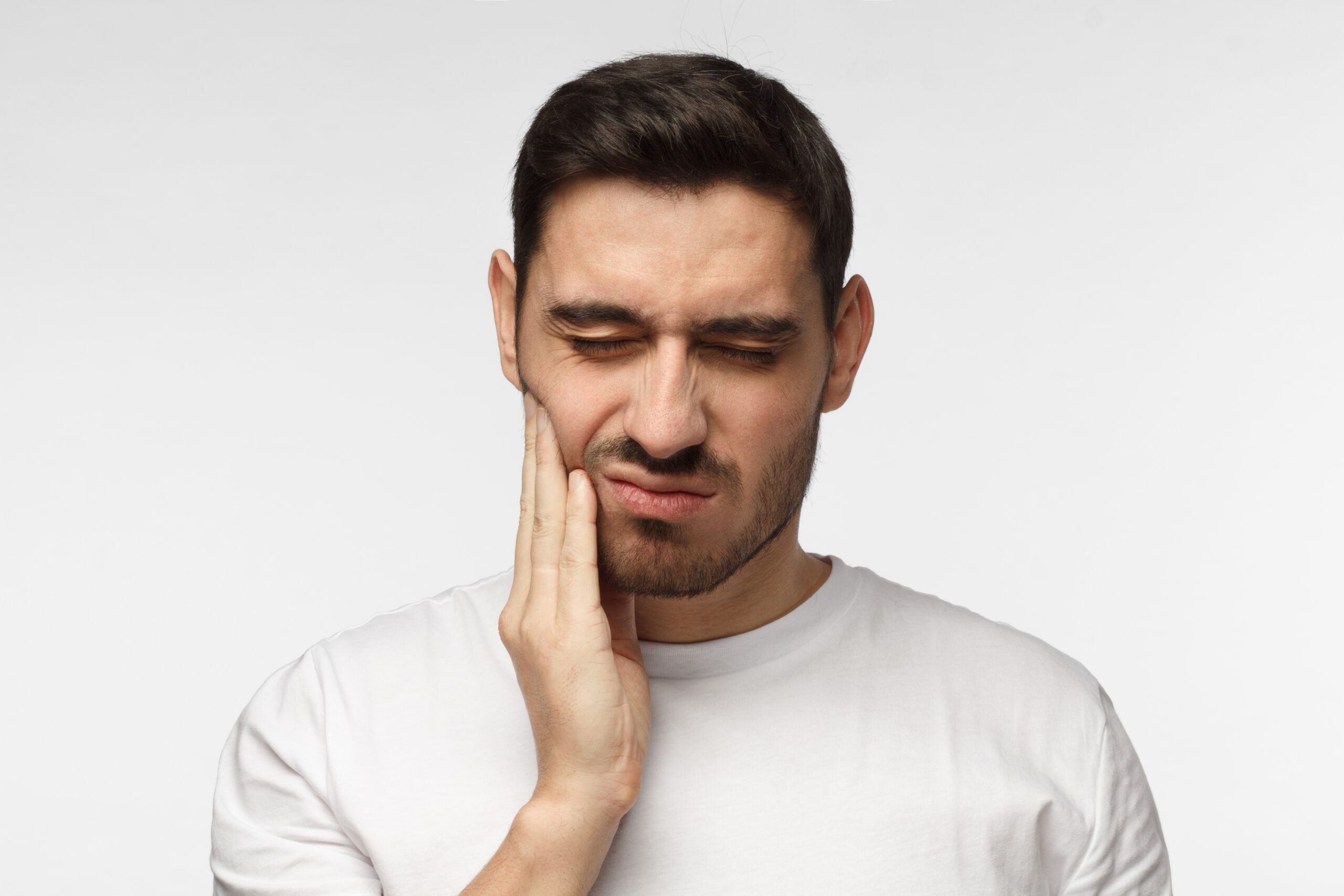
How An Emergency Dentist Can Help During Dental Emergencies

Dental emergencies can strike at the most unexpected times, causing significant discomfort and stress. Whether you’re dealing with a severe toothache, a knocked-out tooth, or a broken dental restoration, knowing how to respond quickly and effectively can make a huge difference. In such situations, an emergency dentist can be a lifesaver. This comprehensive guide will explore how emergency dentists can help during dental emergencies, offering insights into common issues, the role of an emergency dentist, and tips for managing dental crises until you can get professional help.
Understanding Dental Emergencies
Dental emergencies can vary widely in severity and type, but they generally fall into several categories:
1. Severe Toothaches
A toothache can range from a dull ache to sharp, throbbing pain. It may result from various issues such as tooth decay, gum disease, or an abscessed tooth. Severe toothaches often require immediate attention to alleviate pain and address the underlying cause.
2. Broken or Chipped Teeth
Accidents, trauma, or biting down on hard substances can cause teeth to break or chip. A broken tooth can be painful and affect your ability to eat and speak properly. Prompt treatment is crucial to prevent further damage and restore the tooth’s functionality.
3. Knocked-Out Teeth
Losing a tooth due to an accident or injury is a serious emergency. The immediate response can significantly impact the chances of successfully reimplanting the tooth.
4. Lost Fillings or Crowns
When a filling or crown falls out, it exposes the underlying tooth, increasing the risk of further damage or infection. Emergency dentists can provide temporary solutions and plan for permanent restoration.
5. Abscesses and Infections
Dental abscesses are painful, pus-filled infections that can occur at the root of a tooth or in the gums. They often cause swelling, fever, and intense pain. Immediate treatment is necessary to manage the infection and prevent serious complications.
6. Traumatic Injuries
Injuries to the mouth or jaw, such as fractures or lacerations, can be severe and require urgent care. Emergency dentists are equipped to handle these situations, providing necessary treatment and pain relief.
The Role of an Emergency Dentist
Emergency dentists are specialized professionals trained to handle urgent dental issues that require immediate attention. Their role is crucial in managing pain, preventing further damage, and restoring dental health. Here’s how an emergency dentist can help during a dental crisis:
1. Pain Relief and Management
One of the primary concerns during a dental emergency is managing pain. Emergency dentists use various methods to alleviate discomfort, including medications, local anesthesia, or temporary solutions to provide relief until a more permanent treatment can be administered.
2. Assessment and Diagnosis
Emergency dentists conduct thorough examinations to assess the extent of the damage or infection. They use diagnostic tools such as X-rays to understand the underlying issues and determine the best course of action.
3. Immediate Treatment
Based on the diagnosis, an emergency dentist will provide immediate treatment to address the problem. This may include procedures like tooth reimplantation, root canal therapy, or repairing broken teeth.
4. Preventing Further Damage
Emergency dentists work to stabilize the situation and prevent further damage. For instance, if a tooth is knocked out, they can offer guidance on how to preserve the tooth and may attempt to reimplant it.
5. Providing Temporary Solutions
In some cases, emergency dentists will provide temporary fixes to manage the issue until a more comprehensive treatment can be arranged. This could involve temporary crowns, fillings, or pain management strategies.
6. Offering Advice and Follow-Up Care
After initial treatment, emergency dentists offer advice on how to care for the affected area and prevent future issues. They may schedule follow-up appointments to monitor healing and plan for any additional treatments required.
What to Do Before Seeing an Emergency Dentist
While waiting to see an emergency dentist, there are several steps you can take to manage the situation effectively:
1. Toothache Relief
For severe toothaches, rinse your mouth with warm salt water and use over-the-counter pain relievers as directed. Avoid applying aspirin directly to the gums, as it can cause irritation.
2. Handling Broken or Chipped Teeth
Save any pieces of the broken tooth if possible, and avoid chewing on that side of your mouth. Apply a cold compress to reduce swelling and manage pain.
3. Dealing with Knocked-Out Teeth
If a tooth is knocked out, handle it by the crown (not the root) and rinse it gently with water if dirty. Place the tooth back in its socket if possible or store it in a container with milk or saline solution to keep it viable until you can see a dentist.
4. Managing Lost Fillings or Crowns
If a filling or crown falls out, you can use over-the-counter dental adhesive to temporarily hold it in place. Avoid using super glue or other non-dental adhesives, as they can cause harm.
5. Addressing Abscesses and Infections
Rinse your mouth with warm salt water to help alleviate discomfort and reduce swelling. Over-the-counter pain relievers can also provide temporary relief, but seek professional care as soon as possible.
6. Handling Traumatic Injuries
For mouth or jaw injuries, apply a cold compress to reduce swelling and avoid eating hard or hot foods. Seek emergency dental care to address any fractures or lacerations.
How to Find an Emergency Dentist
Finding an emergency dentist can be crucial when dealing with a dental crisis. Here are some tips to help you locate one quickly:
1. Search Online
Use search engines to find emergency dentists in Gresham, OR. Look for those who offer prompt care for any kind of dental emergencies.
2. Check with Your Regular Dentist
If you have a regular dentist, check if they offer emergency services or can refer you to a trusted emergency dental practice.
3. Contact Local Dental Associations
Local dental associations or societies often have directories of emergency dentists and can provide recommendations.
4. Use Dental Apps
There are various dental apps available that can help you find emergency dental care quickly, often with features like appointment booking and location mapping.
Prevention and Long-Term Care
While emergency dentists are essential for handling crises, preventing dental emergencies is equally important. Here are some tips to maintain good oral health and minimize the risk of dental emergencies:
1. Regular Check-ups
Visit your dentist regularly for check-ups and cleanings. Early detection of dental issues can prevent emergencies from arising.
2. Practice Good Oral Hygiene
Brush and floss your teeth daily to prevent decay and gum disease. Use fluoride toothpaste and mouthwash for added protection.
3. Protect Your Teeth
Wear a mouthguard if you participate in sports or other activities that could cause dental injury. Avoid using your teeth as tools to open packages or crack nuts.
4. Avoid Hard Foods
Be cautious with hard foods that could potentially damage your teeth or dental restorations. Cut foods into smaller pieces to minimize the risk of breaking teeth.
5. Address Dental Issues Promptly
Don’t ignore symptoms like persistent pain, sensitivity, or unusual swelling. Addressing minor issues promptly can prevent them from escalating into emergencies.
Dental emergencies can be distressing, but knowing how to manage them and understanding the role of an emergency dentist can make a significant difference in your outcome. Emergency dentists are skilled in handling a wide range of urgent dental issues, from severe pain to traumatic injuries. By seeking prompt care and following preventive measures, you can protect your oral health and minimize the risk of future emergencies.
Whether you’re dealing with a toothache, a broken tooth, or any other dental crisis, don’t hesitate to seek help from an emergency dentist. Their expertise and quick response can provide relief, prevent further damage, and set you on the path to recovery. Remember, maintaining good oral hygiene and regular dental visits can also help you avoid emergencies and keep your smile healthy and vibrant.