How Can You Floss Your Dental Implants?

Dental implants have revolutionized the way we approach tooth replacement, offering a durable and aesthetically pleasing solution for those who have lost teeth. However, maintaining dental implants requires diligent oral hygiene practices, similar to the care of natural teeth. One crucial aspect of this maintenance is flossing, which helps prevent plaque buildup and ensures the longevity of your implants. In this comprehensive guide, we’ll delve into the importance of flossing dental implants, the best techniques, and tips to keep your smile healthy and bright.
Understanding Dental Implants
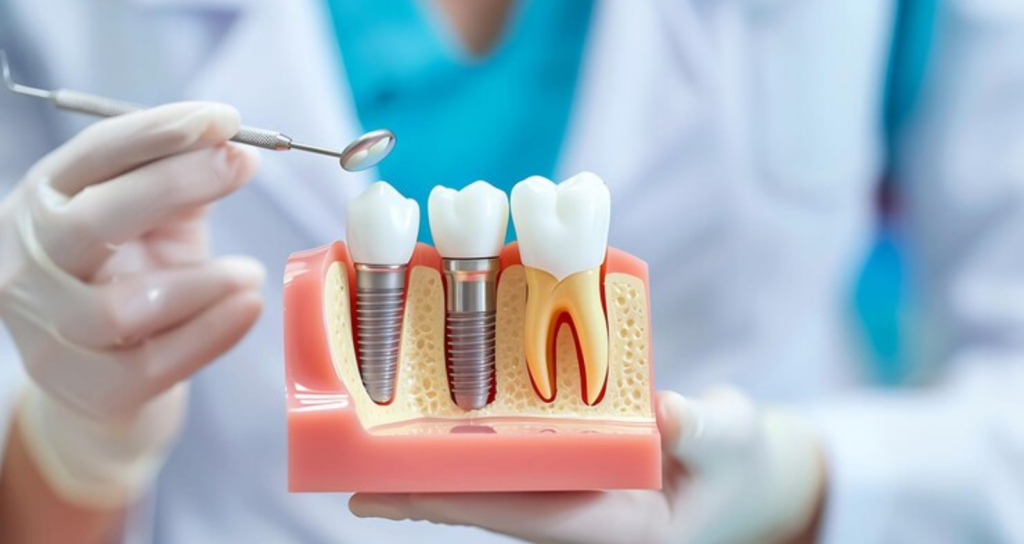
Before diving into the flossing techniques, it is essential to understand what dental implants are and how they function. A dental implant typically consists of three components:
- Implant Post: A titanium screw that is surgically placed into the jawbone to act as a root for the replacement tooth.
- Abutment: A connector placed on top of the implant post, holding the replacement tooth or crown.
- Crown: The visible part of the implant that resembles a natural tooth.
Dental implants are designed to integrate with the jawbone, providing a stable and durable solution for missing teeth. However, their success depends significantly on maintaining good oral hygiene practices, including regular flossing.
The Importance of Flossing Dental Implants
Flossing is crucial for preventing plaque buildup, which can lead to gum disease and peri-implantitis, a condition similar to periodontitis that affects the tissues surrounding the implant. Proper flossing removes food particles and bacteria that brushing alone might miss. This helps to prevent inflammation, infection, and other complications that could jeopardize the health of your dental implants.
Steps to Floss Dental Implants
1. Choose the Right Floss
Not all dental floss is created equal, especially when it comes to flossing around dental implants. Here are some options to consider:
- Implant-Specific Floss: Designed specifically for implants, this type of floss is typically thicker and has a spongy texture, making it more effective at cleaning around the implant.
- Unwaxed Floss: This type of floss is thin and can be used effectively, though it may require more effort to ensure thorough cleaning.
- Water Flossers: These devices use a stream of water to clean between teeth and around implants. They are especially useful for people who find traditional flossing challenging.
2. Proper Flossing Technique
To floss your dental implants effectively, follow these steps:
- Cut a Sufficient Length of Floss: Use about 18 inches of floss to ensure you have enough to maneuver around your implants.
- Wrap the Floss Around Your Fingers: Wrap the ends of the floss around your middle fingers, leaving about two inches of floss between them.
- Gently Slide the Floss Between Your Teeth: Carefully insert the floss between your teeth, being cautious not to snap it against your gums.
- Form a C-Shape: Curve the floss around the base of the implant, forming a C-shape. This allows the floss to reach under the gumline.
- Move the Floss Up and Down: Gently move the floss up and down against the side of the implant to remove plaque and debris.
- Use a Clean Section for Each Tooth: As you move from one implant to another, use a clean section of floss to avoid transferring bacteria.
3. Flossing with a Water Flosser
Using a water flosser can be an excellent alternative to traditional flossing, especially for those with limited dexterity. Here’s how to use a water flosser:
- Fill the Water Reservoir: Fill the water flosser’s reservoir with lukewarm water. You can also add a bit of mouthwash for additional freshness.
- Select the Appropriate Tip: Most water flossers come with various tips. Choose one designed for implants if available.
- Set the Pressure: Start with the lowest pressure setting to avoid discomfort and gradually increase as needed.
- Direct the Water Stream: Position the flosser’s tip at a 90-degree angle to your gumline and direct the water stream between your teeth and around the implant.
- Move Along the Gumline: Gently guide the water stream along the gumline, pausing briefly between each tooth and around the implants.
Additional Tips for Caring for Dental Implants
In addition to flossing, there are several other essential practices to maintain the health of your dental implants:
1. Brush Regularly
Brush your teeth at least twice a day with a soft-bristle toothbrush and non-abrasive toothpaste. Pay special attention to the area around the implants, ensuring you clean all surfaces thoroughly.
2. Use an Antimicrobial Mouthwash
Rinsing with an antimicrobial mouthwash can help reduce bacteria and prevent infection. This is particularly beneficial for the areas around your dental implants.
3. Regular Dental Check-ups
Visit your dentist regularly for check-ups and professional cleanings. Your dentist can monitor the health of your implants and address any issues early on.
4. Avoid Hard and Sticky Foods
Avoid biting into hard foods like ice or hard candy, which can damage your implants. Also, be cautious with sticky foods that can adhere to the implant surfaces and be challenging to remove.
5. Quit Smoking
Smoking can significantly increase the risk of implant failure and other oral health issues. Quitting smoking will improve the overall success rate of your dental implants.
Common Mistakes to Avoid
When flossing dental implants, it’s essential to avoid some common mistakes that can compromise their health:
- Using Too Much Force: Applying excessive pressure can damage the gum tissue and the implant itself.
- Neglecting to Floss Daily: Consistency is key to preventing plaque buildup and gum disease.
- Using Inappropriate Tools: Stick to floss and cleaning tools specifically designed for dental implants to ensure effective and safe cleaning.
- Ignoring Signs of Trouble: If you notice any signs of discomfort, bleeding, or infection around your implants, contact your dentist immediately.
Flossing your dental implants is a vital part of maintaining their health and longevity. By choosing the right floss, using proper techniques, and incorporating additional oral hygiene practices, you can ensure your dental implants remain in excellent condition. Regular dental visits and a commitment to good oral hygiene will keep your smile healthy and bright for years to come. Remember, your dental implants are an investment in your oral health and well-being, so taking the time to care for them properly is well worth the effort.
Frequently Asked Questions (FAQs)
Q: How often should I floss my dental implants?
A: Flossing at least once a day is recommended to maintain optimal oral hygiene.
Q: Can I use regular floss for my dental implants?
A: While you can use regular floss, implant-specific floss or water flossers are often more effective for cleaning around implants.
Q: What should I do if my gums bleed when I floss around my implants?
A: Light bleeding may occur initially but should subside as your gums become healthier. If bleeding persists, consult your dentist.
Q: Are water flossers as effective as traditional floss?
A: Water flossers can be very effective, especially for those who find traditional flossing difficult. They are also gentler on the gums.