Understanding the Healing Process: How Long Does a Root Canal Take to Heal?

Are you currently facing the dreaded prospect of a root canal? Don’t worry, you’re not alone! The mere mention of this dental procedure is enough to send shivers down anyone’s spine. But fear not, because understanding the healing process can help ease your worries and provide clarity on what to expect. In today’s blog post, we delve deep into the question that haunts many patients: “How long does a root canal take to heal?” Get ready for an enlightening journey through the intricacies of this common dental treatment as we uncover everything you need to know about its duration and recovery. So sit back, relax, and let us guide you toward a pain-free future with our comprehensive analysis of the root canal healing process!
What is a Root Canal?
Root canals are used to treat damaged or infected teeth. When a tooth is severely decayed, has a deep cavity, or has been damaged by trauma, it may be necessary to remove the infected pulp and seal it off to prevent infection from spreading.
As part of the root canal treatment, your dentist typically takes an X-ray to determine the extent of the damage to your tooth. During the root canal procedure, you will be numb around the affected tooth with local anesthesia to ensure that you feel comfortable and pain-free.
Once you are numb, your dentist will make an opening in the top of your tooth to access the pulp chamber and root canals. Using specialized tools, they will carefully remove all of the infected tissue and clean out any debris from inside the tooth. This step is crucial as it removes all sources of infection and prevents it from spreading further.
After cleaning out the inside of your tooth, your dentist will then shape and disinfect each root canal before filling them with a rubber-like material called gutta-percha. This material seals off each canal to prevent bacteria from re-entering and causing another infection.
The gutta-percha filling is usually covered with a temporary filling until your next appointment. During this appointment (usually within 1-2 weeks), your dentist will remove the temporary filling and replace it with a permanent one.
The healing process for a root canal varies for each individual but typically takes 1-2 weeks, depending on how severe the original infection was. As your body works to heal any residual inflammation in surrounding tissues, you may experience some discomfort or sensitivity during this time.
It’s important to note that proper oral hygiene practices must be followed after undergoing a root canal treatment. This includes brushing twice daily, flossing regularly, and attending regular dental check-ups to ensure the treated tooth remains healthy.
Why is a Root Canal Needed?
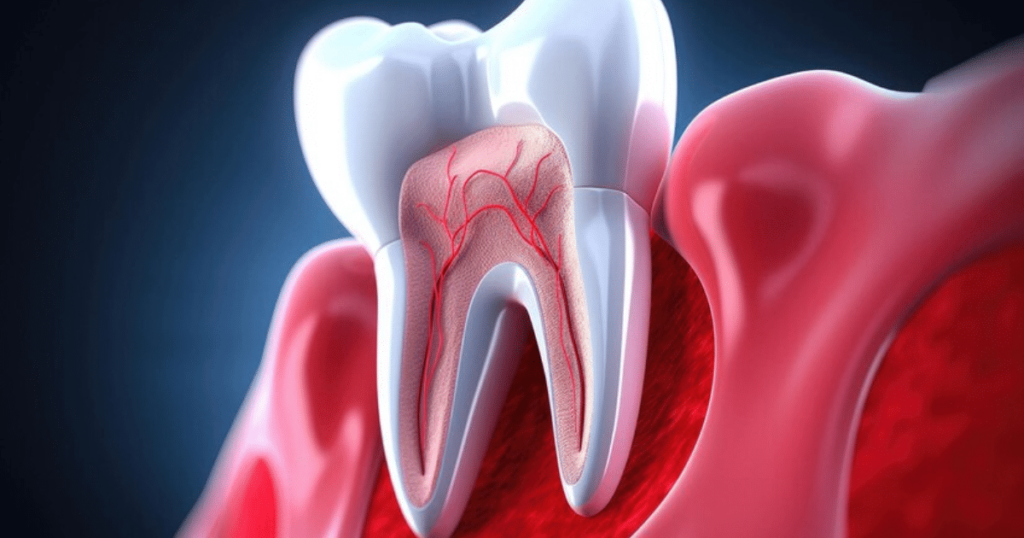
A root canal is a dental procedure that involves removing the infected or damaged tissue inside the tooth, also known as the pulp. The pulp contains nerves, blood vessels, and connective tissue that play a crucial role in keeping the tooth healthy. When this tissue becomes infected or inflamed due to deep decay or trauma, it can be extremely painful and lead to serious oral health problems if left untreated.
Here are the top reasons why a root canal may be needed:
- Infection or Decay: Infections or decay that have reached the pulp of a tooth usually require root canal therapy. This can happen when a cavity goes untreated, allowing bacteria to penetrate deep into the tooth and cause inflammation.
- Trauma: A cracked, chipped, or broken tooth can expose the inner layers of the tooth to bacteria and cause infection or inflammation in the pulp. This can happen due to accidents while playing sports, biting down on hard foods, or other types of physical trauma.
- Repeated Dental Procedures: Sometimes, repeated dental procedures such as fillings on the same tooth can weaken its structure and make it prone to infections.
- Genetics: Some people may have inherited weaker teeth that are more susceptible to decay and infections.
- Gum Disease: Untreated gum disease can progress and affect not only your gums but also damage your teeth’s support structures, such as roots and bones. As gum disease worsens over time, it increases your risk of needing a root canal.
- Cracked Tooth Syndrome: This condition occurs when cracks develop on teeth due to excessive grinding or clenching habits or even chewing on hard objects like ice cubes or pens.
If you experience any symptoms, such as severe pain while chewing food, swollen gums around a specific tooth, or sensitivity to hot/cold temperatures that linger after exposure has passed away, these could be signs that you need a root canal. It is essential to consult with your dentist immediately if you experience any of these symptoms, as delaying treatment can lead to more severe oral health problems and possibly the loss of the affected tooth.
Root canals are necessary when the pulp inside the tooth becomes infected or inflamed for a variety of reasons. Early detection and prompt treatment are crucial for preventing further damage.
The Healing Process of a Root Canal
The healing process of a root canal is an essential part of ensuring the success of this commonly performed dental procedure. A root canal involves removing the infected or damaged pulp inside a tooth and sealing it to prevent further infection. It may sound intimidating, but with advances in technology and techniques, root canals have become relatively painless procedures with high success rates.
Immediately after a root canal, patients may experience some discomfort and tenderness around the treated tooth. This is normal and can be managed with over-the-counter pain relievers. The initial healing phase typically takes 1-2 weeks, during which the body will naturally start repairing any damage caused by the infection.
During this time, it is important to follow your dentist’s post-treatment instructions carefully. This may include avoiding hard or chewy foods that could irritate the treated area and practicing good oral hygiene habits like brushing twice a day and flossing daily.
As the days go by, you should start to notice improvements in your symptoms as the inflammation subsides. However, it is crucial to keep in mind that complete healing takes time and patience. The exact length of time for a root canal to heal varies from person to person, depending on factors such as age, overall health, and severity of infection.
On average, it can take about 4-6 weeks for a root canal to fully heal. During this time, your body will continue to repair any damaged tissue around the treated tooth while new bone forms around its roots.
In some cases where there was severe infection or extensive damage before the procedure, healing may take longer than usual. Your dentist will closely monitor your progress during follow-up appointments to ensure proper healing is taking place.
It emphasizes the importance of maintaining good oral hygiene at home and maintaining regular dental checkups and cleanings even after a successful root canal treatment.
The healing process of a root canal may take several weeks, but it is a critical step towards preserving your natural tooth and maintaining good oral health. By following your dentist’s instructions and taking care of your teeth, you can expect to make a full recovery and enjoy the benefits of a healthy smile.
Factors that Affect the Healing Time
The healing time of a root canal can vary from person to person and is influenced by several factors. Understanding these factors can give you a better idea of how long your root canal may take to heal.
- Severity of the Infection: The severity of the infection in your tooth can greatly impact the healing time. A minor infection may heal faster compared to a more severe one that has spread to the surrounding tissues.
- Location of the Tooth: Teeth in different areas of your mouth have varying blood supply and nerve sensitivity, which can affect their healing process. For example, molars at the back of your mouth tend to have a longer healing time compared to front teeth due to their complex root structure and less blood supply.
- Quality and Timeliness of Treatment: The type and quality of treatment received for your root canal also play a crucial role in determining its healing time. If there were any complications during or after the procedure, it could delay the healing process.
- Age and Overall Health: Your age and overall health can also impact how quickly you heal from a root canal treatment. Younger individuals tend to have quicker healing times compared to older adults due to their stronger immune system.
- Immune System: After a root canal treatment, a strong immune system is essential for wound healing. Any underlying health conditions or medications that suppress your immune system can hinder the body’s ability to heal efficiently.
- Oral Hygiene Habits: Good oral hygiene habits are vital for any dental procedure’s success, including a root canal treatment’s healing process. Failure to maintain proper oral hygiene practices such as brushing twice daily and flossing regularly can lead to infections or complications that will prolong the healing time.
- Follow-up Care: After completing your root canal treatment, it is crucial to follow up with your dentist as recommended for regular checkups or additional treatments if needed. Neglecting follow-up care can lead to complications that may extend the healing time.
It is essential to keep in mind that everyone’s healing process is unique, and there is no set timeline for how long a root canal will take to heal. However, by understanding these factors that affect the healing time and following your dentist’s instructions, you can help ensure a smooth and timely recovery.
In this article, we have discussed the healing process of a root canal treatment and the factors that affect its duration. As we have learned, it can take anywhere from a few days to several weeks for a root canal to fully heal. However, the key to ensuring a successful and timely recovery lies in proper aftercare and communication with your dentist.
After undergoing a root canal, it is crucial to follow your dentist’s instructions for post-treatment care. This includes taking any prescribed medications, avoiding hard or crunchy foods, and maintaining good oral hygiene practices such as brushing twice a day and flossing daily. These measures will help prevent any infections or complications that may prolong the healing process.
While the duration of root canal healing varies from person to person, following proper aftercare and maintaining open communication with your dentist are crucial for a successful recovery. By taking good care of yourself and staying in touch with your dental team, you can ensure that your root canal treatment will be a success and that you can enjoy a healthy, pain-free smile for years to come.