How Many Days Should You Take Rest After Tooth Extraction?

Tooth extraction, a common dental procedure, involves the removal of a tooth from its socket in the bone. While it might sound daunting, it’s often necessary for various reasons, including severe decay, gum disease, or overcrowding. Recovery time and the amount of rest needed after a tooth extraction can vary based on several factors. In this comprehensive guide, we’ll explore how many days you should take rest after tooth extraction, what to expect during the healing process, and tips for a smooth recovery.
Understanding Tooth Extraction
Before diving into the recovery period, it’s essential to understand the types of tooth extractions and why they might be necessary.
Types of Tooth Extractions
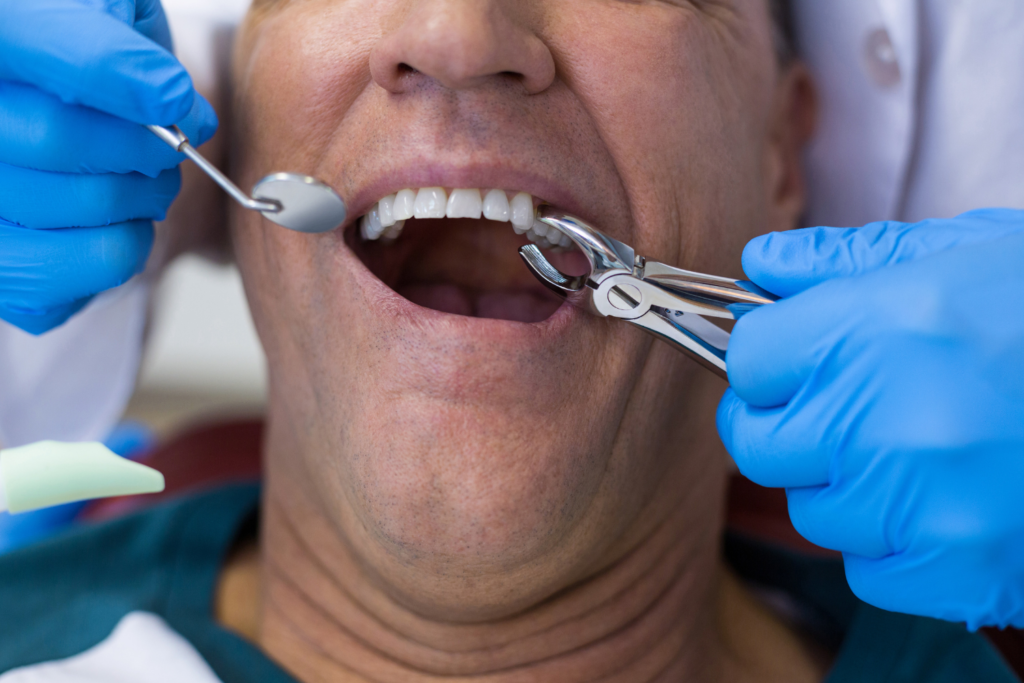
- Simple Extraction: This procedure is performed on a tooth that is visible in the mouth. General dentists typically perform simple extractions using a local anesthetic to numb the area. The tooth is then loosened with an instrument called an elevator and removed with forceps.
- Surgical Extraction: This is a more complex procedure usually required for teeth that are not easily accessible, such as impacted wisdom teeth or teeth broken at the gum line. Surgical extractions involve an oral surgeon and may require local or general anesthesia. The surgeon makes an incision in the gum to access and remove the tooth.
Reasons for Tooth Extraction
- Severe Tooth Decay or Infection: When tooth decay or infection is too extensive to be treated with a filling or root canal, extraction may be necessary to prevent the spread of infection.
- Gum Disease: Advanced gum disease can cause teeth to become loose, necessitating extraction.
- Impacted Teeth: Teeth that are blocked from erupting properly, such as wisdom teeth, may need to be surgically removed.
- Overcrowding: In preparation for orthodontic treatment, some teeth may need to be extracted to make room for proper alignment.
The Recovery Process: What to Expect
Recovery from a tooth extraction can vary from person to person. However, understanding the general timeline and what to expect can help you manage your recovery more effectively.
Immediate Aftercare
- First 24 Hours: The initial 24 hours post-extraction are crucial for forming a blood clot at the extraction site. This clot is essential for healing and protecting the bone and nerves in the empty socket. During this period, you might experience bleeding, swelling, and discomfort.
Days 1-2
- Rest: It’s vital to rest and avoid strenuous activities to prevent dislodging the blood clot. Apply an ice pack to the outside of your face to reduce swelling.
- Pain Management: Take prescribed pain medications or over-the-counter pain relievers as directed by your dentist or surgeon.
- Diet: Stick to soft foods and avoid hot, spicy, or hard foods that can irritate the extraction site. Drink plenty of fluids but avoid using straws, as the suction can dislodge the blood clot.
Days 3-5
- Healing Progress: Swelling should start to subside, and you may notice less pain. However, continue to avoid strenuous activities and be mindful of your diet.
- Oral Hygiene: You can gently rinse your mouth with a saltwater solution to keep the area clean, but avoid vigorous rinsing.
Days 5-7
- Follow-Up Appointment: Your dentist or oral surgeon may schedule a follow-up appointment to check the healing process. They might remove any stitches if they were placed.
- Gradual Return to Normal Activities: Depending on your recovery progress, you may start to resume normal activities. However, continue to be cautious and avoid activities that could impact the healing site.
Factors Affecting Recovery Time
Several factors can influence how many days you need to rest and how quickly you recover from a tooth extraction.
Type of Extraction
- Simple Extraction: Generally, recovery from a simple extraction is quicker. Most people feel back to normal within a few days to a week.
- Surgical Extraction: Recovery from a surgical extraction, especially for impacted teeth, can take longer. Full recovery may take up to two weeks.
Individual Health
- Overall Health: Your general health and medical history can impact recovery time. Individuals with certain health conditions or weakened immune systems may need more time to heal.
- Age: Younger patients often heal faster than older adults.
Post-Extraction Care
- Following Instructions: Adhering to your dentist’s or surgeon’s aftercare instructions can significantly influence your recovery time.
- Avoiding Complications: Taking precautions to avoid complications like dry socket (a condition where the blood clot dislodges) can help ensure a smoother and quicker recovery.
Tips for a Smooth Recovery
To ensure a smooth recovery and minimize the number of days you need to rest after a tooth extraction, consider the following tips:
Rest and Relaxation
- Take It Easy: Avoid strenuous activities, heavy lifting, and exercise for at least the first few days.
- Elevate Your Head: When lying down, keep your head elevated with pillows to reduce swelling and bleeding.
Pain Management
- Medications: Take prescribed pain medications as directed. Over-the-counter pain relievers like ibuprofen can also help manage pain and reduce inflammation.
- Cold Compress: Apply an ice pack to the outside of your face for 15-20 minutes at a time during the first 24 hours to reduce swelling.
Diet and Hydration
- Soft Foods: Stick to a diet of soft foods such as yogurt, mashed potatoes, scrambled eggs, and smoothies. Gradually reintroduce solid foods as you feel comfortable.
- Stay Hydrated: Drink plenty of fluids, but avoid using straws. The suction can dislodge the blood clot and delay healing.
Oral Hygiene
- Gentle Rinsing: After the first 24 hours, rinse your mouth gently with a saltwater solution to keep the extraction site clean.
- Avoid Smoking: Smoking can interfere with healing and increase the risk of complications. Avoid smoking for at least 72 hours after the extraction.
Follow-Up Care
- Attend Follow-Up Appointments: Keep any scheduled follow-up appointments with your dentist or oral surgeon to monitor your healing progress.
- Report Complications: Contact your dentist or surgeon if you experience severe pain, excessive bleeding, fever, or signs of infection.
Recovery time after tooth extraction can vary based on the type of extraction, individual health, and adherence to aftercare instructions. On average, simple extractions require a few days to a week of rest, while surgical extractions may necessitate up to two weeks. Following your dentist’s or surgeon’s aftercare instructions, managing pain effectively, and avoiding strenuous activities can help ensure a smooth and speedy recovery.