How to Maintain Proper Oral Hygiene with Clear Braces in Gresham, OR
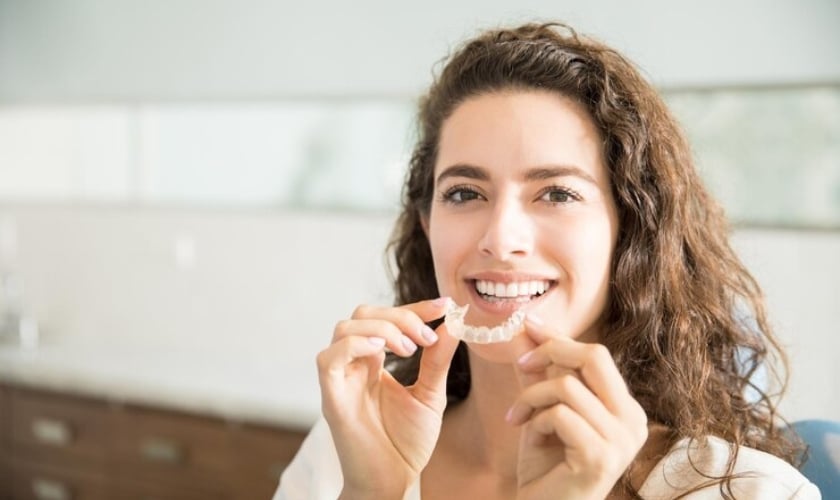
Embarking on the journey to straighten your teeth with clear braces is a transformative step towards achieving a confident and radiant smile in Gresham, OR. As you pursue orthodontic treatment, it’s essential not only to focus on the desired outcome but also to prioritize maintaining impeccable oral hygiene throughout the process.
This comprehensive guide is your roadmap to mastering the art of proper oral hygiene while wearing clear braces in Gresham, OR. From understanding the unique challenges posed by clear braces to adopting effective techniques and tools, we delve deep into the strategies that will keep your teeth healthy and your smile stunning during your orthodontic journey.
Whether you’re a Gresham local or a visitor, join us on a journey to discover the secrets to maintaining oral hygiene excellence with clear braces, ensuring that your smile remains a testament to your commitment to self-care and dental wellness in this vibrant Oregon community.
The Unique Challenges of Clear Braces
A. Clear Braces Structure:
1. Clear braces consist of brackets and wires like traditional braces but are made from transparent or tooth-colored materials.
2. Their discreet appearance can make it challenging to spot food particles or plaque buildup.
3. Regular inspection and meticulous cleaning are essential to maintain oral hygiene.
B. Brackets and Wire Placement:
1. Brackets are affixed to the front of teeth, and wires run through them to straighten teeth.
2. These components create additional nooks and crannies where debris can accumulate.
3. Careful attention is required to ensure these areas are cleaned thoroughly.
C. Potential for Discoloration:
1. Clear materials may be prone to staining from certain foods, drinks, or tobacco.
2. Diligence in avoiding staining agents and promptly cleaning any potential stains is crucial.
3. Maintaining the braces’ aesthetic appeal requires proactive care.
Essential Tools and Techniques
A. Selection of Oral Hygiene Tools
1. Choosing the Right Toothbrush:
– Opt for a soft-bristle toothbrush to minimize irritation.
– Consider a toothbrush with a small, compact head for better maneuverability.
– Electric toothbrushes with orthodontic brush heads can be effective for thorough cleaning.
2. The Importance of Dental Floss and Interdental Brushes:
– Use dental floss specially designed for braces to reach between wires and teeth.
– Interdental brushes are valuable for cleaning between brackets and wires.
– These tools help remove trapped food particles and plaque effectively.
3. Utilizing a Water Flosser or Oral Irrigator:
– Water flossers can provide a gentle yet efficient way to clean around braces.
– The pulsating water stream helps dislodge debris and bacteria.
– Incorporating a water flosser into your routine can enhance oral hygiene.
B. Effective Brushing and Flossing
1. Techniques for Brushing Around Brackets and Wires:
– Angle the toothbrush bristles towards the brackets and brush in small, circular motions.
– Pay extra attention to the areas around brackets and wires to dislodge debris.
– Brush both the front and back surfaces of your teeth.
2. Flossing Between Wires and Teeth:
– Thread dental floss under the wire and gently move it between your teeth.
– Ensure thorough flossing to remove food particles and plaque.
– Regular flossing prevents the development of cavities and gum issues.
3. The Role of Fluoride Toothpaste:
– Choose fluoride toothpaste to strengthen tooth enamel and prevent decay.
– Brush with fluoride toothpaste at least twice daily.
– Fluoride helps protect teeth, especially when braces make cleaning more challenging.
Regular Dental Check-Ups
A. Importance of Scheduled Orthodontic Visits:
1. Scheduled orthodontic visits are essential during clear braces treatment.
2. Orthodontists monitor progress, make adjustments, and ensure braces are functioning correctly.
3. These visits allow for early detection of any issues that may arise.
B. What to Expect During These Appointments:
1. During orthodontic check-ups, expect adjustments to wires and brackets as needed.
2. Orthodontists assess your treatment plan’s progress and make necessary modifications.
3. Patients receive guidance on maintaining oral hygiene with braces.
C. The Role of Professional Cleanings:
1. Professional cleanings at your dentist’s office are crucial.
2. Dental hygienists can access difficult-to-reach areas around braces.
3. These cleanings remove stubborn plaque and reduce the risk of cavities and gum problems.
Diet and Nutrition
A. Foods to Avoid
1. Foods That Can Damage Braces:
– Some foods are notorious for causing damage to braces, such as hard candies, popcorn, and ice.
– Chewy or sticky items like caramel and gum can also pose risks.
– Explaining the potential for broken brackets or wires due to these foods is essential.
2. The Impact of Sugary and Acidic Foods on Oral Health:
– Discuss the adverse effects of sugary foods and drinks, as well as acidic items like citrus fruits and sodas.
– Emphasize that these substances can lead to tooth decay and enamel erosion.
– Highlight the importance of moderation and thorough oral care after consuming such foods.
B. Smile-Friendly Diet
1. Suggest Braces-Friendly Food Options:
– Recommend soft, easy-to-chew foods like yogurt, mashed potatoes, and pasta.
– Encourage the consumption of fruits and vegetables that are cut into bite-sized pieces.
– Provide a list of nutritious options that won’t harm braces.
2. The Significance of a Balanced Diet for Oral Health:
– Explain how a balanced diet rich in nutrients supports overall oral health.
– Discuss the role of vitamins and minerals in strengthening teeth and gums.
– Stress the importance of maintaining a diet that promotes healthy dental development.
Dealing with Discomfort
A. Common Discomfort During Orthodontic Treatment:
– Acknowledge that discomfort is common, especially after adjustments.
– Explain potential discomfort, such as soreness or irritation.
– Reassure readers that it’s a normal part of the orthodontic process.
B. Strategies for Managing Pain or Irritation:
– Provide practical tips for alleviating discomfort, like using orthodontic wax for wire irritation.
– Suggest over-the-counter pain relievers as recommended by your orthodontist.
– Encourage the use of cold compresses or rinsing with warm saltwater for relief.
C. When to Seek Assistance from Your Orthodontist:
– Advise readers on when discomfort might indicate a more significant issue.
– Encourage open communication with their orthodontist if discomfort persists.
– Highlight that orthodontists are there to address any concerns and ensure a comfortable treatment experience.
Source: Info Tooth
Maintaining proper oral hygiene with clear braces in Gresham, OR, is a commitment that yields a stunning, confident smile. By addressing unique challenges, adopting effective techniques, and staying vigilant with oral care, individuals can navigate their orthodontic journey successfully. Embrace these practices to ensure a beautiful, healthy smile throughout treatment.