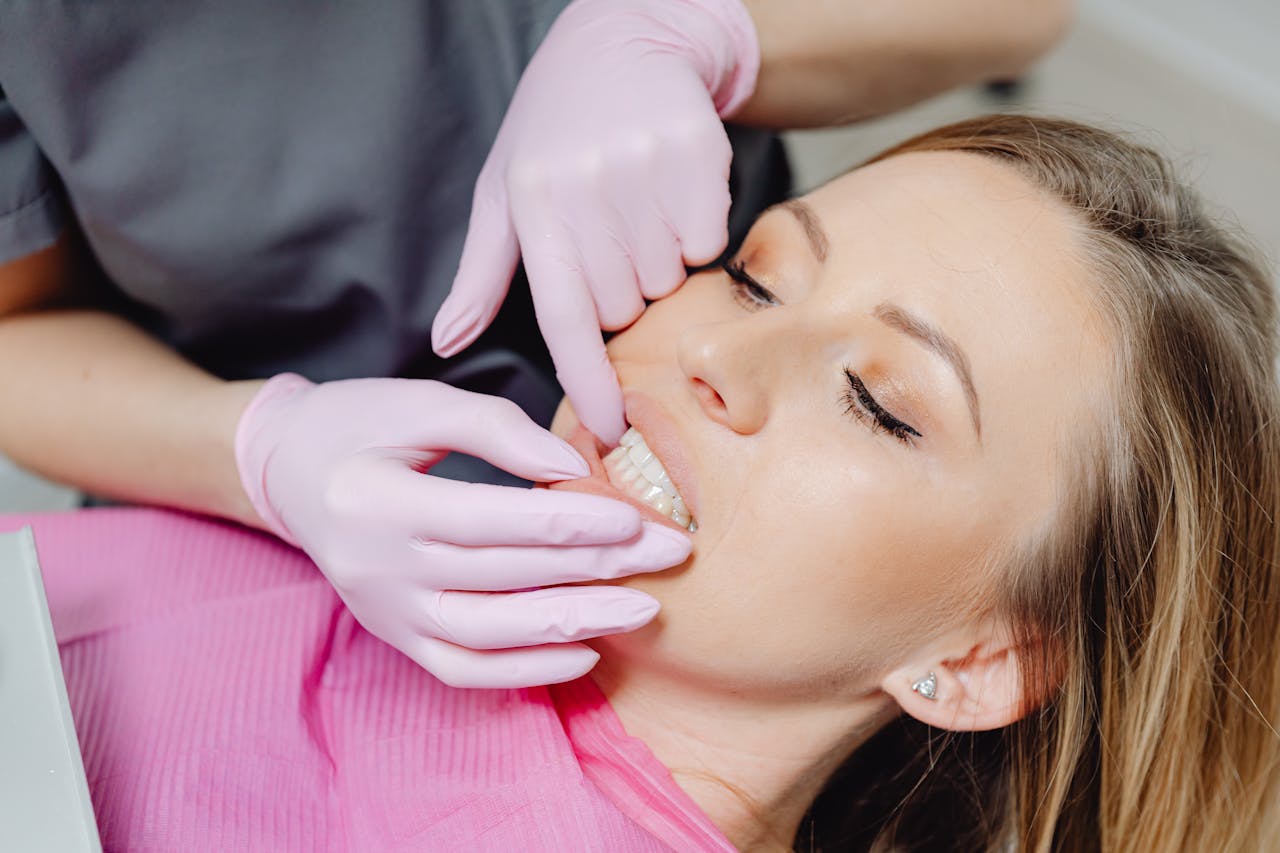
Checkmate Cavities: The Importance of Dental Checkups

Maintaining optimal oral health is essential for a radiant smile and overall well-being. In the battle against tooth decay, dental checkups serve as the strategic move to “checkmate” cavities. These routine appointments play a crucial role in preventing dental problems and preserving your pearly whites. During a dental checkup, a skilled dentist thoroughly examines your teeth and gums, detecting early signs of decay, gum disease, or other oral issues. Through professional cleanings and personalized advice, they help you develop effective oral hygiene habits and provide preventive treatments like fluoride applications or dental sealants. Embracing regular dental checkups empowers you to proactively safeguard your oral health, ensuring a confident and cavity-free smile for years to come.
Dental Checkups: Overview
Dental checkups are an integral part of maintaining good oral health. These routine appointments provide a comprehensive overview of your dental well-being. During a checkup, a dentist examines your teeth, gums, and mouth to assess any signs of decay, gum disease, or other dental issues. They may also perform dental cleanings to remove plaque and tartar buildup. Dental checkups allow for early detection of potential problems, enabling prompt treatment and preventing further complications. Additionally, dentists provide personalized advice on oral hygiene practices and offer preventive treatments like fluoride applications or dental sealants. Regular dental checkups are essential for a healthy, confident smile and long-term oral health.
Source : American Dental Association (ADA)
What to expect during Dental Checkups
During a dental checkup, here are some key points of what you can expect:
1. Examination: The dentist will thoroughly examine your teeth, gums, and mouth to check for any signs of tooth decay, gum disease, or oral abnormalities.
2. X-rays: X-rays may be taken to get a more comprehensive view of your dental health, allowing the dentist to detect issues not visible during the visual examination.
3. Teeth Cleaning: A dental hygienist will perform a professional cleaning, removing plaque and tartar buildup from your teeth, which helps prevent cavities and gum disease.
4. Gum Evaluation: The health of your gums will be assessed, including checking for any signs of inflammation or periodontal disease.
5. Oral Cancer Screening: The dentist will examine your mouth and surrounding tissues for any signs of oral cancer, looking for lumps, lesions, or other abnormalities.
6. Bite and Jaw Evaluation: The dentist will check your bite alignment and jaw joint function to identify any issues such as teeth grinding or temporomandibular joint (TMJ) disorders.
7. Treatment Recommendations: Based on the examination findings, the dentist will discuss any necessary treatments or preventive measures required to maintain or improve your oral health.
8. Oral Hygiene Education: The dental team will provide guidance on proper oral hygiene techniques, including brushing, flossing, and the use of additional oral care products specific to your needs.
9. Follow-up Appointments: If any treatments or further evaluations are needed, the dentist will schedule follow-up appointments as required.
Remember, the specifics of a dental checkup may vary depending on individual circumstances and dental office practices.
Why are Dental Checkups important?
Frequent dental checkups are the best ways to maintain oral health. By detecting and treating early dental issues, you can help prevent more serious issues from developing. Here are some of its benefits:
1. You can avoid more serious dental problems.
If you catch a problem early, you can treat it with simple treatments like flossing and brushing. However, if a problem is left untreated, it can lead to more serious issues such as tooth decay, gum disease, and even tooth loss.
2. You can reduce your risk of cavities and tooth decay.
Dental cavities form when plaque builds up on the surface of teeth over time. This plaque contains bacteria which causes acids to form inside the tooth structure. If left untreated, this acid damage can lead to cavities (a hole in a tooth caused by decay). In addition, frequent chewing or sucking on hard substances (such as candy or ice cream) also increases your risk of developing tooth decay. Regular dental checkups can help identify these risks and help you address them beforehand.
3. You can improve your smile.
The appearance of your smile is one of the most important aspects of your self-image. By keeping your teeth clean and healthy, you can enhance both your looks and confidence. Plus, studies have shown that people who have healthy teeth are less likely to suffer from other health problems such as depression or heart disease.
Factors to be considered before Dental Checkups
There are several factors to consider when deciding when to have a dental checkup:
1. Your age. As you get older, your teeth may start to wear down faster. It means that you may require more periodic dental checkups to stay healthy.
2. Your health history. Suppose you have a medical condition or are taking medications that could affect your mouth or teeth. In that case, it is important to be aware of it and have regular dental checkups to address any problems immediately.
3. Your genetic history. If either of your parents had poor oral health, chances are good that you will too. So it’s important to know what steps can be taken to prevent problems from developing in the future.
In conclusion, dental checkups are essential for maintaining optimal oral health. These appointments allow for early detection and prevention of dental issues, ensuring a healthy and confident smile. By partnering with your dentist and following their recommendations, you can proactively safeguard your oral well-being and enjoy the benefits of a lifelong, beautiful smile.
FAQs
1. How often should I schedule dental checkups?
It is generally recommended to have a dental checkup every six months. However, the frequency may vary based on your oral health and individual needs. Some individuals with specific conditions or higher risk of dental problems may require more frequent checkups, while others with excellent oral health may be able to extend the interval between visits. Your dentist will assess your specific situation and provide personalized recommendations on how often you should schedule dental checkups.
2. Are dental X-rays necessary during a checkup?
Dental X-rays are valuable diagnostic tools that help dentists detect dental issues that may not be visible during a visual examination. They can reveal cavities between teeth, infections, bone loss, impacted teeth, and other hidden problems. The frequency of dental X-rays depends on factors such as your age, dental history, and risk of oral diseases. Your dentist will determine the need for X-rays based on your individual circumstances, considering the benefits and risks associated with the procedure.
3. Is dental checkup painful?
Dental checkups are generally not painful. The dentist and dental hygienist will take care to ensure your comfort throughout the examination and cleaning process. You may experience slight discomfort during dental cleanings, particularly if you have sensitive teeth or gums. However, any discomfort is typically minimal and temporary. If you have any concerns or dental anxiety, it is important to communicate with your dental team, as they can provide additional measures to help you feel at ease during your checkup.