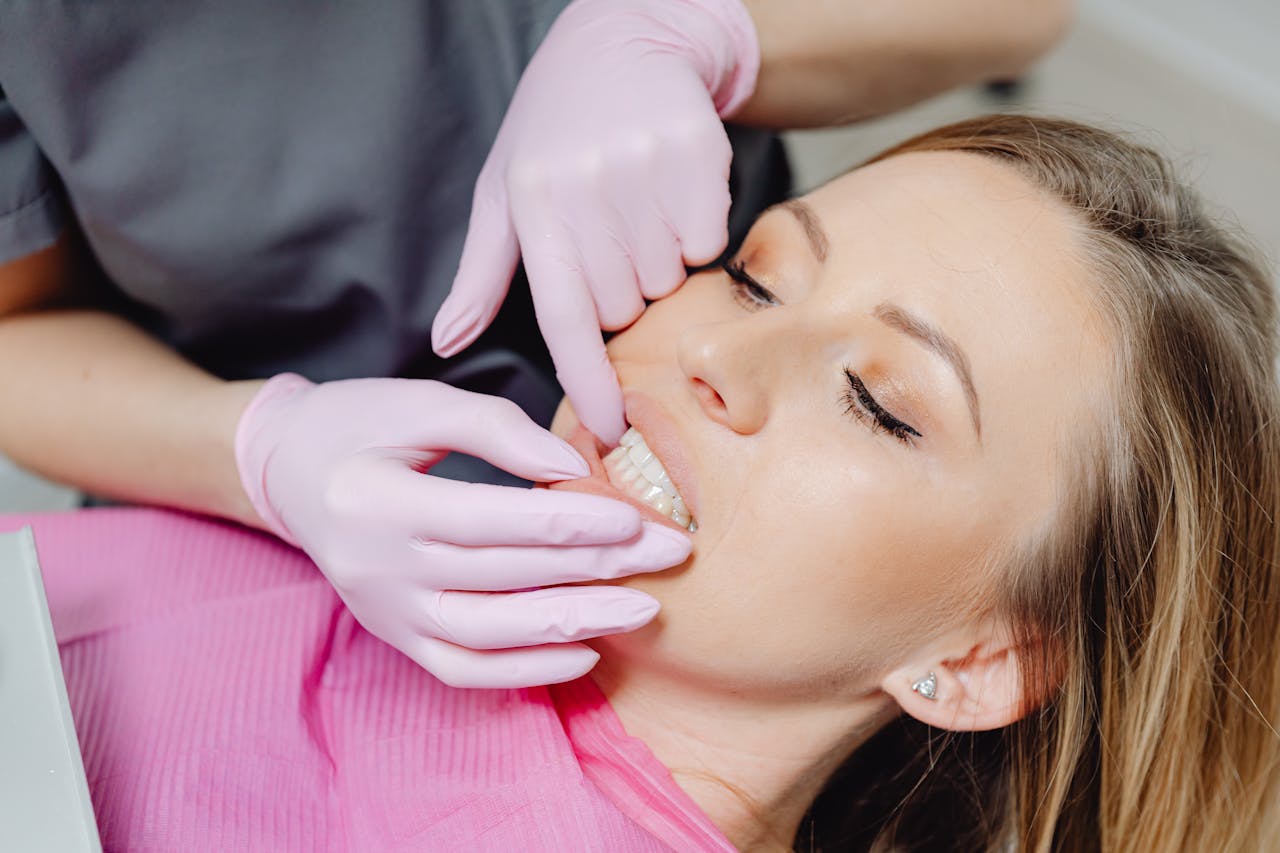
Revitalize Your Smile: Harnessing The Power Of Dental Checkups
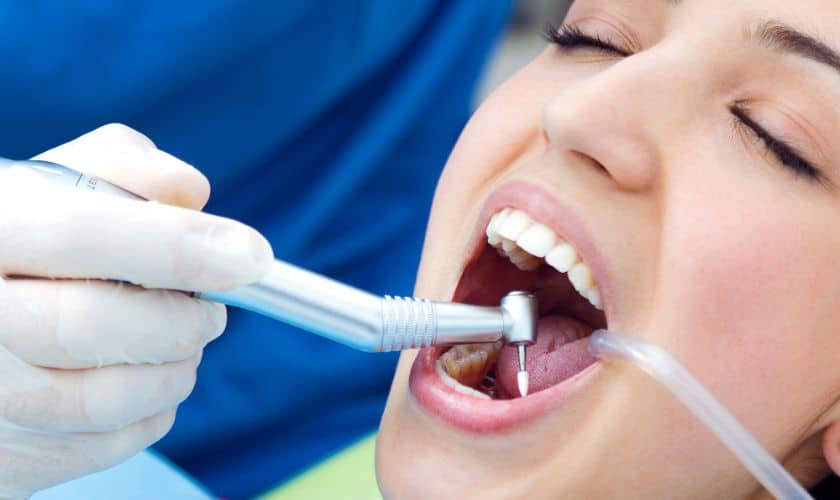
Welcome to our comprehensive guide on the importance of dental checkups. Your smile is valuable, and regular dental checkups are vital in maintaining health and radiance. In this article, we will delve into the transformative benefits of routine dental visits and how they can revitalize your smile. Dental checkups are essential to your oral healthcare routine, from preventing dental issues to detecting early signs of problems. Join us as we uncover the secrets to optimal oral health and empower you with the knowledge to embrace the checkup journey. Get ready to unlock the potential of your smile and discover the transformative power of dental checkups.
Understanding The Importance Of Dental Checkups
1. Prevention: Dental checkups are crucial in preventing oral health issues by detecting problems early on and addressing them before they escalate.
2. Oral Hygiene Guidance: Dentists provide valuable guidance on maintaining optimal oral hygiene practices, including brushing techniques, flossing, and using mouthwash effectively.
3. Early Detection: Regular checkups allow for early detection of dental problems such as cavities, gum disease, or oral cancer, enabling prompt treatment and preventing further complications.
4. Overall Health Connection: Dental checkups help identify potential systemic health issues linked to oral health, such as diabetes or cardiovascular disease, promoting holistic well-being.
What To Expect During A Dental Checkup?
1. Examination: The dentist will conduct a thorough examination of your teeth, gums, and mouth, checking for any signs of decay, gum disease, or other oral health issues.
2. X-rays: X-rays may be taken to get a comprehensive view of your oral health, allowing the dentist to identify hidden problems not visible to the naked eye.
3. Cleaning: Dental cleanings remove plaque, tartar, and stains from your teeth, promoting better oral hygiene and preventing gum disease.
4. Oral Cancer Screening: Dentists often perform an oral cancer screening during checkups, looking for any abnormal lesions or signs of oral cancer that may require further investigation.
5. Treatment Recommendations: Based on the examination findings, the dentist will provide personalized treatment recommendations, such as fillings, dental sealants, or periodontal treatment, if necessary.
Exploring Additional Benefits Of Dental Checkups
1. Early Detection of Oral Health Issues: Regular dental checkups enable early detection of oral health problems like cavities, gum disease, or oral cancer, increasing the chances of successful treatment.
2. Preventive Dental Care: Dental check ups involve professional cleaning, plaque removal, and dental education, helping prevent common dental issues and maintaining optimal oral health.
3. Professional Guidance on Oral Hygiene: Dentists provide valuable guidance on proper oral hygiene practices, including brushing, flossing, and using dental products, ensuring you maintain a healthy smile between checkups.
4. Addressing Bad Breath Concerns: Dental checkups allow dentists to identify and address the underlying causes of bad breath, providing effective solutions and improving oral freshness.
5. Monitoring Dental Restorations: If you have dental restorations like fillings or crowns, regular checkups ensure they are in good condition and functioning properly, extending their lifespan and preventing potential complications.
How Often Should I Go For A Dental Checkup?
1. General Recommendation: The American Dental Association (ADA) recommends visiting the dentist for a checkup at least every six months for most individuals.
2. Individual Assessment: Your dentist may recommend a different frequency based on your oral health needs. Some individuals may need more frequent visits, especially if they have a history of dental issues or are undergoing specific treatments.
3. Dental Health Status: If you have good oral health and a low risk of dental problems, your dentist may suggest less frequent visits, such as once a year.
4. Personalized Treatment Plan: Your dentist will consider factors such as your dental history, age, oral hygiene practices, and any ongoing treatments to determine the ideal frequency of checkups.
5. Regular Monitoring: Regular checkups allow your dentist to monitor your oral health, address any emerging issues early on, and provide preventive care, leading to better long-term dental health.
FAQs:
1. How long does a dental checkup usually take?
Dental checkups typically last between 30 minutes to an hour, depending on the complexity of the examination and any additional procedures needed.
2. Does a dental checkup include teeth cleaning?
Dental checkups often include professional teeth cleaning to remove plaque and tartar buildup, which helps prevent tooth decay and gum disease.
3. Will X-rays be taken during a dental checkup?
X-rays may be taken during a dental checkup, especially if it’s your first visit or if your dentist needs to assess areas that aren’t visible during a clinical examination.
4. Are dental checkups painful?
Dental checkups are generally not painful. Your dentist will ensure your comfort throughout the process, and any discomfort can usually be minimized with local anesthesia if needed.
5. How often should children have dental checkups?
Children should have dental checkups every six months, starting from their first tooth eruption or by their first birthday, as recommended by the ADA. Regular checkups help monitor their oral development and establish good dental habits from an early age.
Regular dental checkups are vital for maintaining optimal oral health. They provide a comprehensive evaluation of your teeth, gums, and overall oral cavity, helping to detect and prevent potential dental issues. With professional cleaning, early detection of problems, and personalized guidance on oral care, dental checkups empower you to revitalize your smile and enjoy a lifetime of healthy teeth. Remember to consider the importance of regular dental checkups in preserving your oral health and achieving a confident smile. Make them a priority for a happy and healthy mouth.