Should You Brush Your Teeth After A Root Canal?
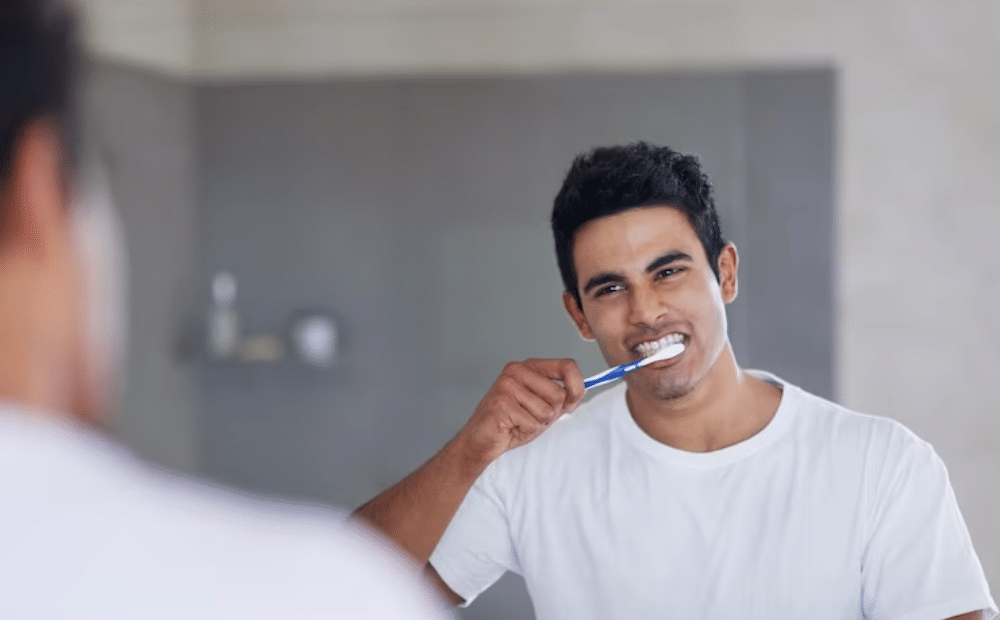
Are you one of those people who let out a sigh of relief after completing a root canal? Well, congratulations! You’ve made it through the daunting procedure and can now enjoy a pain-free smile. But hold on just a moment… Before you go celebrating too soon, there’s an important question that needs to be addressed: should you brush your teeth after a root canal? In this blog post, we’ll dive deep into this dental dilemma and explore why brushing is crucial post-root canal. So grab your toothbrush, and let’s get started!
Why Is Brushing Important After A Root Canal?
Maintaining good oral hygiene is always important, but it becomes even more crucial after undergoing a root canal procedure. Brushing your teeth regularly and properly helps to prevent any potential complications and ensures that the treated tooth remains healthy.
Brushing removes plaque from the surface of your teeth, including the treated tooth. Plaque is a sticky film that forms on our teeth throughout the day, harboring harmful bacteria. If left unremoved, this can lead to gum disease and tooth decay – conditions that can compromise the success of your root canal treatment.
Additionally, brushing helps to keep your mouth clean and fresh. After a root canal procedure, you may experience some tenderness or swelling in the area around the treated tooth. Gentle brushing not only promotes healing but also alleviates discomfort by reducing inflammation.
Furthermore, thorough brushing stimulates blood circulation in your gums, enhancing their overall health. This increased blood flow aids in delivering vital nutrients to support tissue repair and maintain strong gums.
Proper brushing techniques are essential for maintaining optimal oral health following a root canal treatment. By removing plaque buildup and supporting healing processes within your mouth, regular brushing helps ensure long-term success and prevents future dental issues.
How Soon Can You Begin Brushing Post-Root Canal?
After undergoing a root canal procedure, it is essential to take proper care of your teeth and oral hygiene. This includes brushing your teeth regularly. However, you may be wondering how soon you can start brushing the post-root canal.
The timing for when you can begin brushing after a root canal will depend on the specific instructions given by your dentist. In most cases, dentists recommend waiting at least 24 hours before resuming regular brushing. This allows time for the treated tooth to heal properly.
During the first day or two after a root canal, it’s important to be gentle when cleaning your mouth. You should avoid vigorous brushing near the treated area and instead focus on gently cleaning the rest of your teeth.
When you do resume normal brushing, make sure to use a soft-bristled toothbrush and non-abrasive toothpaste. These tools will help prevent any potential irritation or damage to the healing tooth.
Remember that maintaining good oral hygiene practices is crucial for promoting healing and preventing further dental issues. So once you receive clearance from your dentist, don’t forget to brush regularly!
By following these guidelines provided by your dentist and adopting effective techniques for post-root canal brushing, you can ensure optimal oral health while allowing sufficient time for recovery.
Effective Techniques for Brushing Your Teeth After Root Canals
Proper oral care is crucial after undergoing a root canal procedure to ensure the success of the treatment and maintain good dental health. Here are some effective techniques for brushing your teeth after root canals.
1. Choose the right toothbrush: Opt for a soft-bristled toothbrush that will be gentle on your teeth and gums. Hard bristles may cause irritation or damage to the treated area.
2. Be gentle: When brushing, use light pressure and gentle circular motions to clean your teeth. Avoid aggressive scrubbing as it can irritate the affected area and delay healing.
3. Use fluoride toothpaste: Fluoride helps strengthen enamel and prevent tooth decay, making it an essential component of your post-root canal oral care routine.
4. Pay attention to all areas: Carefully brush all surfaces of your teeth, including the front, back, and chewing surfaces. Don’t forget to clean along the gumline where plaque tends to accumulate.
5. Clean around temporary restorations: If you have temporary restorations in place, take extra care when brushing around them to avoid dislodging or damaging them.
6. Rinse thoroughly: After brushing, rinse your mouth with water or an antimicrobial mouthwash recommended by your dentist for added protection against bacteria.
7. Maintain regular dental visits: Schedule follow-up appointments with your dentist so they can monitor your progress post-root canal and provide any necessary adjustments or additional treatments if needed.
By following these effective techniques for brushing after root canals, you’ll promote proper healing and maintain optimal oral hygiene throughout recovery.
Brushing your teeth after a root canal is crucial for maintaining good oral hygiene and ensuring the success of the procedure. It helps prevent infection, removes any residual debris or bacteria, and keeps your mouth feeling fresh and clean. By following effective brushing techniques recommended by your dentist in Gresham, you can ensure that you are taking proper care of your teeth post-root canal.
Remember to wait until the anesthesia wears off before starting to brush your teeth after a root canal. This will help minimize any discomfort or sensitivity you may experience during the healing process. Once you’re ready to begin brushing, make sure to use a soft-bristled toothbrush and gentle circular motions to clean all surfaces of your teeth.
Additionally, it’s important to continue practicing good oral hygiene habits, such as flossing daily and using an antimicrobial mouthwash. These steps will further promote healing and prevent any potential complications.
By staying diligent with your oral care routine after a root canal, you can maintain healthy gums and teeth for years to come. Don’t forget to schedule regular check-ups with your dentist in Gresham for professional cleanings and examinations.
Take charge of your dental health today by prioritizing proper brushing techniques after a root canal!
FAQs
1. How long should I wait to brush my teeth after a root canal?
It is recommended to wait at least 24 hours before brushing your teeth after a root canal procedure. This allows the treated tooth and surrounding tissues time to heal and reduces the risk of any complications.
2. Can I use regular toothpaste, or should I use a special one?
You can continue using your regular toothpaste after a root canal procedure. However, it may be beneficial to switch to a toothpaste that is specifically designed for sensitive teeth, as you may experience some sensitivity in the treated area.
3. Are there any specific techniques I should follow when brushing my teeth post-root canal?
Yes, there are some effective techniques you can follow while brushing your teeth after a root canal:
– Use gentle circular motions: Avoid applying excessive force while brushing.
– Pay attention to the treated area: Be careful around the tooth that underwent the root canal procedure.
– Brush all surfaces of your teeth: Make sure to clean every surface thoroughly, including front, back, and chewing surfaces.
– Don’t forget about flossing: Flossing is equally important for maintaining good oral hygiene even after a root canal.
4. Should I rinse my mouth with mouthwash after brushing?
Rinsing your mouth with an antimicrobial mouthwash can help reduce bacteria and promote healing in the treated area. Consult with your dentist regarding which mouthwash would be suitable for you.
5. How often should I brush my teeth post-root canal treatment?
Maintaining good oral hygiene is crucial at all times, regardless of whether you’ve had a root canal or not. It’s recommended to brush your teeth twice daily – once in the morning and once before bed – for optimal results.