Implanting Perfection: Unveiling the Future of Dental Restoration

Welcome to the exciting world of dental implants, where perfection meets innovation in dental restoration. Dental implants represent the future of restoring missing teeth, offering a permanent and natural-looking solution. By surgically placing titanium posts into the jawbone, implants provide a strong foundation for replacement teeth. These prosthetic teeth are meticulously crafted to match the color, shape, and size of your natural teeth, resulting in a seamless and aesthetically pleasing smile. Beyond their cosmetic benefits, dental implants restore functionality, allowing you to eat, speak, and smile with confidence. Join us on a journey of implanting perfection as we unveil the remarkable advancements in dental restoration.
Dental Implants: Overview
Dental implants are advanced restorative dental devices designed to replace missing teeth. Consisting of a titanium post that is surgically placed into the jawbone, they serve as artificial tooth roots. Once the implant fuses with the bone through a process called osseointegration, a custom-made crown, bridge, or denture is attached to the implant, completing the restoration. Dental implants offer numerous advantages, including enhanced aesthetics, improved speech and chewing capabilities, and preservation of jawbone integrity. They provide a long-lasting and durable solution, closely resembling natural teeth in both appearance and function. With proper care and maintenance, dental implants can significantly improve the quality of life for individuals with missing teeth.
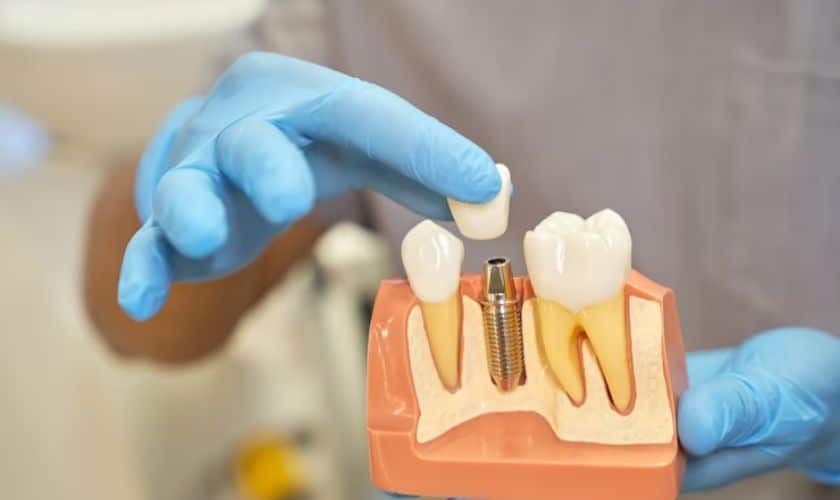
The Dental Implant Process
1. Initial Consultation: The process begins with a thorough examination and consultation with a dental professional to determine if you are a suitable candidate for dental implants.
2. Treatment Planning: A customized treatment plan is created based on your needs and oral health. It may involve dental imaging, impressions, and 3D scans to ensure precise implant placement.
3. Implant Placement: Dental implants are placed into the jawbone in a minor surgical procedure. It involves creating a small incision, preparing the bone, and securely inserting the implants.
4. Osseointegration: Over several months, the implants fuse with the surrounding jawbone through osseointegration. It provides a stable foundation for the replacement teeth.
5. Abutment Placement: Once osseointegration is complete, abutments are attached to the implants. These serve as connectors between the implants and the replacement teeth.
Various Classes of Dental Implants
1. Endosteal Implants: These are the most common type of dental implants and are directly placed into the jawbone. They are typically shaped like small screws or cylinders and provide a strong foundation for attaching artificial teeth.
2. Subperiosteal Implants: These implants are placed on top of the jawbone but underneath the gum tissue. They consist of a metal framework that protrudes through the gums to hold the replacement teeth securely.
3. All-on-4 Implants: This technique involves placing four implants strategically in the jawbone to support a full arch of replacement teeth. It is a popular option for individuals who have lost most or all of their teeth.
4. Mini Dental Implants: These are smaller in diameter than traditional implants and are often used in cases with less bone density or space. They are suitable for supporting single teeth or securing dentures.
5. Zygomatic Implants: These implants are used in cases with inadequate bone in the upper jaw. They anchor into the cheekbone (zygomatic bone) to provide a stable foundation for dental restorations.
Benefits of Dental Implants
1. Improved Oral Function: Dental implants restore the ability to chew and speak properly, allowing for better overall oral function and improved digestion.
2. Enhanced Aesthetics: Dental implants closely resemble natural teeth, providing a seamless and attractive smile that boosts self-confidence and improves appearance.
3. Long-lasting Solution: With proper care, dental implants can last a lifetime, offering a durable and permanent tooth replacement option.
4. Preservation of Jawbone Health: Implants stimulate the jawbone, preventing
bone loss and maintaining its structure, which helps to preserve facial aesthetics and prevent further dental complications.
5. Convenience and Comfort: Unlike removable dentures, dental implants are fixed in the mouth, eliminating the need for messy adhesives and providing a comfortable, hassle-free solution that feels and functions like natural teeth.
Taking Care of Your Implants
1. Maintain Good Oral Hygiene: Brush your teeth twice a day with a soft-bristle toothbrush and fluoride toothpaste. Clean around the implant area carefully, ensuring you reach all surfaces of the implant crown, abutment, and surrounding teeth.
2. Regular Dental Check-ups: Schedule routine dental visits for professional cleanings and examinations. Your dentist will assess the condition of your implants, check for any signs of complications, and provide necessary maintenance.
3. Floss and Use Interdental Cleaners: Clean between your teeth and around the implant using dental floss or interdental brushes. This helps remove plaque and debris from hard-to-reach areas, preventing gum disease and maintaining oral health.
4. Avoid Harmful Habits: Avoid smoking and excessive alcohol consumption, as these habits can negatively impact the success and longevity of your dental implants. Additionally, refrain from biting on hard objects or using your teeth as tools to prevent damage to the implants.
5. Wear a Nightguard (if recommended): If you have a habit of grinding or clenching your teeth, wearing a nightguard can protect your implants and natural teeth from excessive force and prevent potential complications. Consult your dentist for a custom-fitted nightguard if necessary.
Source : AAOMS Videos
In conclusion, dental implants offer a transformative solution for tooth loss, providing improved oral function, enhanced aesthetics, and long-lasting results. With proper care and regular dental visits, dental implants can restore confidence, preserve jawbone health, and offer a comfortable, permanent solution for a beautiful, functional smile.
FAQs:
1. Are dental implants painful?
The implant placement procedure is typically performed under local anesthesia, ensuring minimal discomfort. Some patients may experience mild soreness or swelling after the surgery, which can be managed with over-the-counter pain medication. Overall, the discomfort associated with dental implant placement is generally manageable and temporary.
2. How long does the dental implant process take?
The duration process can vary depending on individual factors such as the number of implants, overall oral health, and the need for additional procedures like bone grafting. Typically, the entire process, including implant placement, healing period, and restoration placement, can take several months to complete. However, advances in implant technology and techniques have allowed for accelerated treatment options in certain cases.
3. Are dental implants suitable for everyone?
While these are a popular tooth replacement option, not everyone may be an immediate candidate. Adequate bone density and healthy gums are important prerequisites for successful implant placement. However, even if you have experienced bone loss or gum disease, additional procedures like bone grafting or periodontal treatment can often help make dental implants a viable option.
4. How do I care for dental implants?
Caring for dental implants is similar to maintaining natural teeth. Regular brushing, flossing, and routine dental check-ups are crucial for keeping the implant, surrounding gums, and remaining natural teeth healthy. It is also important to avoid habits like smoking, as they can negatively impact implant success. Your dentist will provide specific instructions for care and maintenance tailored to your individual needs.