What is the Cause of Biting Pain After a Root Canal?

Undergoing a root canal procedure can provide much-needed relief from tooth pain caused by infection or decay. However, some individuals may experience biting pain after the procedure, which can be concerning. In this article, we’ll delve into the potential causes of biting pain following a root canal treatment, addressing common concerns and offering insights into managing discomfort effectively.
Understanding Root Canal Treatment:
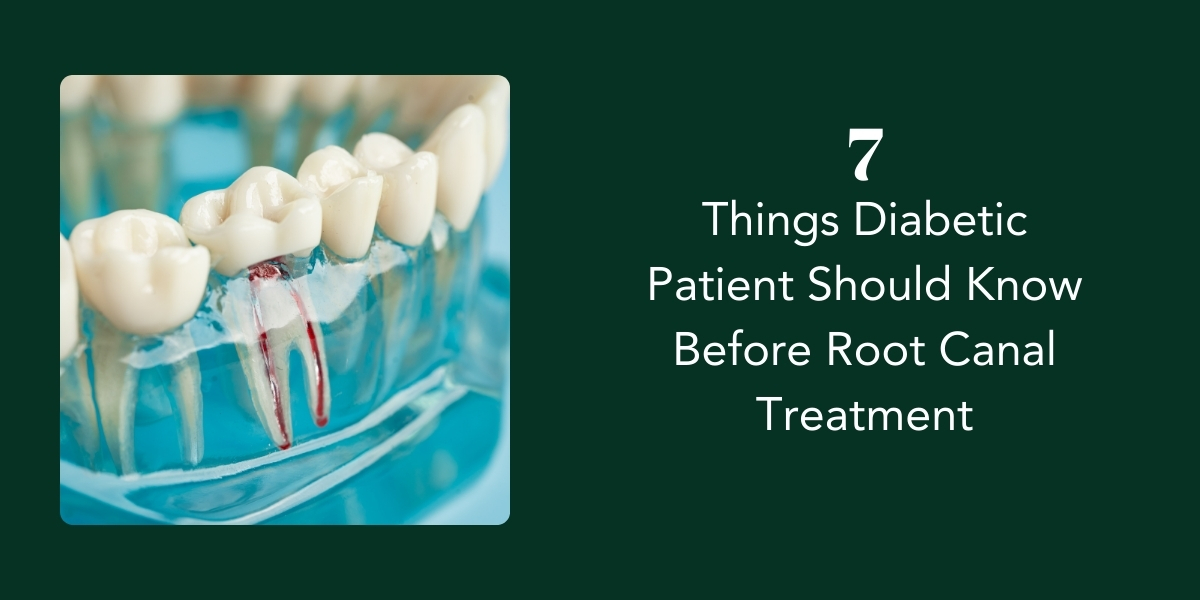
A root canal is a dental procedure performed to treat an infected or damaged tooth pulp—the soft tissue inside the tooth that contains nerves, blood vessels, and connective tissue. During the procedure, the infected pulp is removed, and the inside of the tooth is cleaned, disinfected, and sealed to prevent further infection. While root canals are highly effective in alleviating tooth pain and saving the natural tooth, some patients may experience discomfort, particularly when biting down, in the days or weeks following the treatment.
Causes of Biting Pain After Root Canal:
Several factors can contribute to biting pain after a root canal treatment. Understanding these factors is crucial for identifying the underlying cause and seeking appropriate treatment. Here are some potential reasons for post-root canal biting pain:
- Inflammation of Surrounding Tissues: After a root canal procedure, the surrounding gum tissues and jawbone may become inflamed as a natural response to the trauma caused by the treatment. This inflammation can result in sensitivity and discomfort when biting down, particularly if the tooth underwent extensive manipulation during the procedure.
- High Restoration: In some cases, the restoration placed over the treated tooth following a root canal, such as a dental crown, maybe slightly too high. When the restoration interferes with the natural biting motion, it can cause uneven pressure on the tooth, leading to biting pain. This issue can usually be addressed by adjusting the restoration to ensure proper alignment with the opposing teeth.
- Persistent Infection: Although root canal treatment is designed to remove the infection from the tooth, there are instances where bacteria may persist in the root canal system or surrounding tissues. If an infection persists or recurs after the procedure, it can cause pain and discomfort, especially when pressure is applied to the affected tooth.
- Fractured Tooth: In rare cases, a tooth that has undergone a root canal treatment may develop a fracture, either due to pre-existing damage or as a result of the procedure itself. A fractured tooth can cause biting pain, as the pressure exerted during biting can exacerbate the fracture line and irritate the surrounding tissues.
- Adjacent Tooth Issues: Sometimes, biting pain following a root canal treatment may not be directly related to the treated tooth itself but may stem from problems with adjacent teeth or dental restorations. For example, a cracked filling or a cavity in a neighboring tooth can cause referred pain, making it difficult to pinpoint the source of discomfort.
Managing Biting Pain After Root Canal:
If you’re experiencing biting pain after a root canal treatment, it’s essential to consult your dentist for a thorough evaluation. Depending on the underlying cause of the pain, your dentist may recommend the following interventions:
- Anti-inflammatory Medications: Nonsteroidal anti-inflammatory drugs (NSAIDs) such as ibuprofen can help alleviate inflammation and reduce pain associated with post-root canal discomfort. Follow your dentist’s instructions regarding medication dosage and frequency.
- Adjustment of Restoration: If the biting pain is caused by a high restoration, your dentist can make adjustments to ensure proper occlusion and relieve pressure on the affected tooth. This may involve polishing the restoration or making minor modifications to its shape.
- Evaluation for Infection: If there are signs of persistent infection or inflammation, your dentist may recommend further evaluation, such as diagnostic imaging or a root canal retreatment. In cases of severe infection, a dental specialist called an endodontist may be consulted for specialized treatment.
- Monitoring for Fractures: If a fractured tooth is suspected, your dentist may perform additional tests, such as percussion testing or transillumination, to assess the integrity of the tooth structure. Depending on the extent of the fracture, treatment options may include bonding, a dental crown, or, in severe cases, extraction.
- Comprehensive Oral Examination: To rule out potential contributing factors, your dentist will conduct a comprehensive examination of your oral health, including the surrounding teeth, gums, and supporting structures. Addressing any underlying issues, such as cavities or gum disease, can help prevent further complications and improve overall oral health.
Biting pain after a root canal treatment can be distressing, but it’s essential to understand that it’s not uncommon and can often be effectively managed with the appropriate interventions. By identifying the underlying cause of the discomfort and seeking prompt dental care, you can alleviate pain and ensure the long-term success of your root canal treatment. Remember to communicate openly with your dentist about any concerns or symptoms you may be experiencing, as early intervention can lead to better outcomes and a healthier smile in the long run.