Why Choose Dental Implants to Replace Teeth?
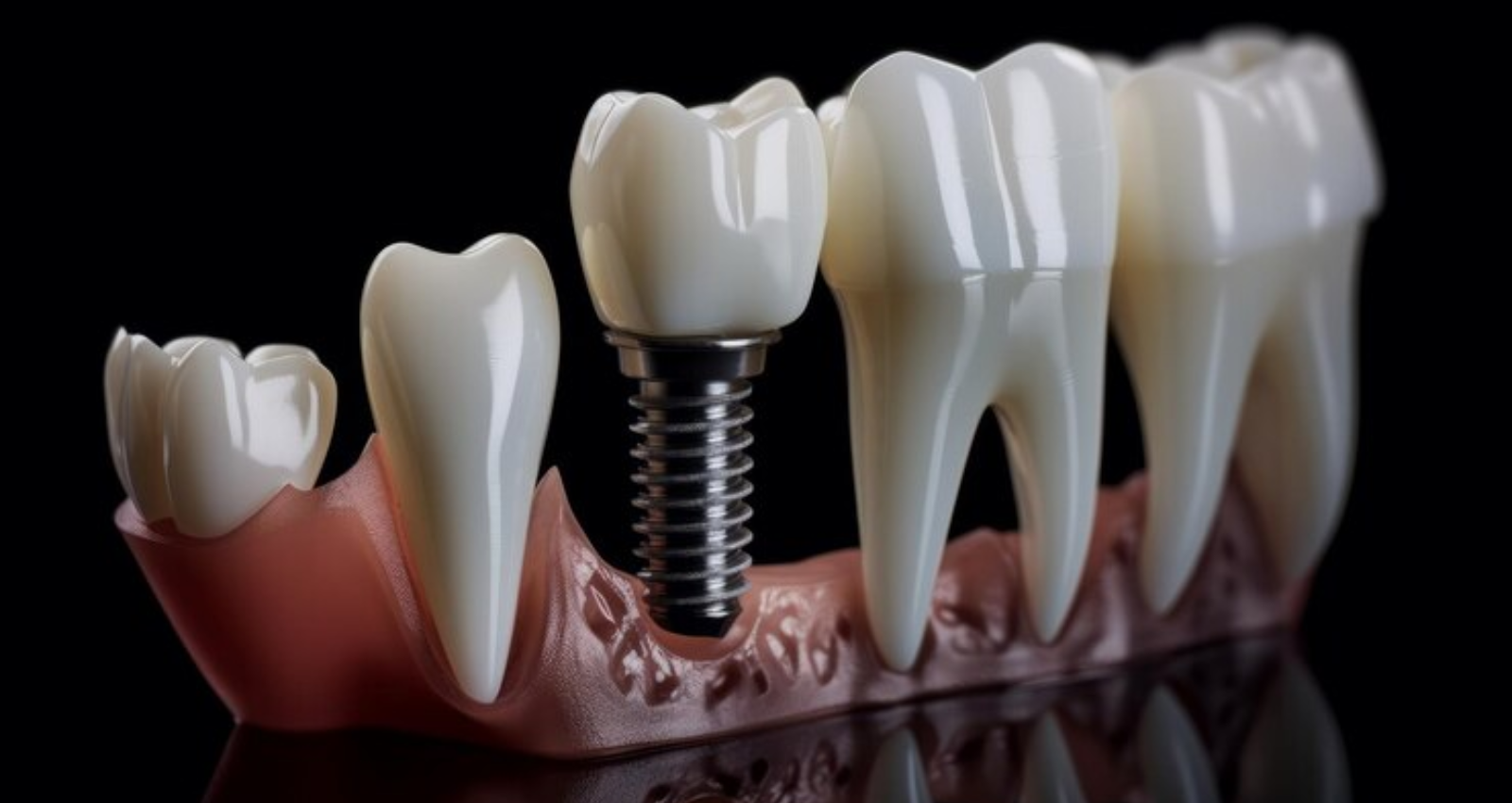
When it comes to replacing missing teeth, there are several options available, including dentures, bridges, and dental implants. Among these, dental implants have emerged as the gold standard for tooth replacement. This blog post explores the reasons why you should consider dental implants as your preferred choice for replacing missing teeth. We will delve into the benefits, the process, and the long-term advantages of dental implants.
What Are Dental Implants?
Dental implants are artificial tooth roots made of titanium that are surgically inserted into the jawbone. They provide a sturdy foundation for fixed or removable replacement teeth that are designed to match your natural teeth. The implant itself fuses with the jawbone through a process called osseointegration, ensuring that the implant is securely anchored.
The Advantages of Dental Implants
1. A Permanent Solution
Unlike dentures, which may need to be replaced or adjusted over time, dental implants are designed to be a permanent solution. With proper care and maintenance, dental implants can last a lifetime, making them a cost-effective choice in the long run.
2. Natural Look and Feel
Dental implants look and feel like your natural teeth. Because they are embedded into the jawbone, they provide a level of stability and comfort that other tooth replacement options cannot match. This natural integration means you can speak, eat, and smile with confidence.
3. Improved Oral Health
Dental implants help maintain your oral health in several ways. Unlike dental bridges, which require reducing adjacent teeth, implants do not alter other teeth. This means more of your natural teeth are left intact, improving long-term oral health. Additionally, implants make it easier to clean between teeth, reducing the risk of gum disease and other oral health issues.
4. Preservation of Jawbone Structure
One of the significant benefits of dental implants is their ability to prevent bone loss. When you lose a tooth, the jawbone in the empty space begins to deteriorate because it no longer receives the necessary stimulation. Dental implants mimic the stimulation of a natural tooth root, preserving the jawbone and maintaining your facial structure.
5. Enhanced Functionality
Dental implants function like natural teeth, allowing you to eat your favorite foods without any restrictions. Dentures can slip or cause discomfort while chewing, but implants provide a stable and secure fit that lets you enjoy all kinds of foods confidently.
The Dental Implant Process
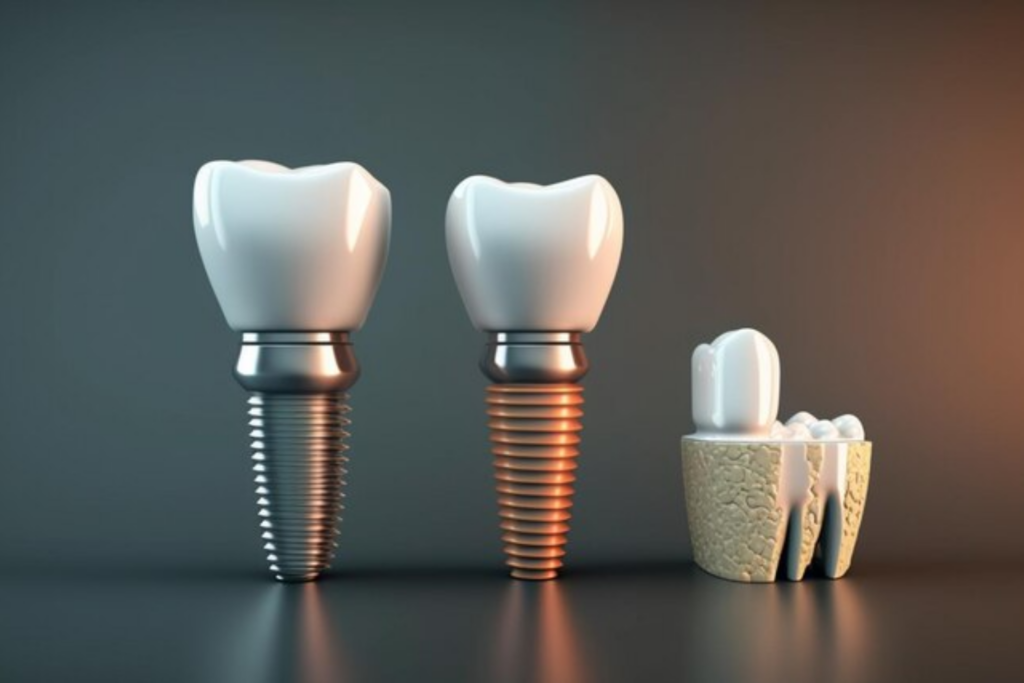
The process of getting dental implants typically involves several steps, each crucial to ensuring the success of the implant.
1. Initial Consultation and Examination
The first step is a thorough examination by your dentist. This may include X-rays and 3D imaging to assess the health of your jawbone and plan the placement of the implant. Your dentist will also review your medical history to ensure you are a suitable candidate for the procedure.
2. Implant Placement
Once you are deemed a suitable candidate, the next step is the surgical placement of the implant. This procedure is usually performed under local anesthesia, although sedation options are available for anxious patients. The dentist will make an incision in the gum to expose the bone and then drill a hole to place the titanium implant. The gum is then stitched back over the implant.
3. Osseointegration
After the implant is placed, a process called osseointegration begins. This involves the jawbone growing around the implant and securing it in place. Osseointegration can take several months, but it is crucial for the stability of the implant.
4. Abutment Placement
Once osseointegration is complete, a small connector called an abutment is placed on top of the implant. The abutment is what will hold the replacement tooth or crown.
5. Crown Placement
The final step is the placement of the crown, which is custom-made to match the color, shape, and size of your natural teeth. The crown is attached to the abutment, completing the process.
Long-Term Care and Maintenance
One of the significant advantages of dental implants is their ease of maintenance. Unlike dentures, which require special cleaning solutions and adhesives, dental implants can be cared for just like your natural teeth. Regular brushing, flossing, and dental check-ups are all that is needed to keep your implants in good condition.
Addressing Common Concerns
1. Cost
While the initial cost of dental implants can be higher than other tooth replacement options, it is essential to consider the long-term benefits. Dental implants do not need to be replaced like dentures or bridges, making them a more cost-effective solution over time.
2. Surgery
The idea of surgery can be daunting for some patients. However, the implant procedure is typically well-tolerated and performed under local anesthesia. Advances in dental technology have made the process more comfortable and less invasive.
3. Suitability
Not everyone is a candidate for dental implants. Factors such as insufficient jawbone density or certain medical conditions can affect eligibility. However, advancements in dental procedures, such as bone grafting, have made it possible for more patients to receive implants.
Dental Implants vs. Other Tooth Replacement Options
1. Dentures
Dentures are removable replacements for missing teeth. While they are a more affordable option, they come with several drawbacks, including discomfort, slipping, and the need for regular adjustments. Dentures can also lead to bone loss over time since they do not stimulate the jawbone.
2. Bridges
Dental bridges involve placing a false tooth between two crowns on adjacent teeth. While bridges can be a good option for some patients, they require the alteration of healthy teeth and do not address bone loss.
Success Rates and Longevity
Dental implants have a high success rate, typically around 95%. With proper care, they can last a lifetime. The materials used in implants are biocompatible and designed to withstand the forces of chewing and biting.
Dental implants offer a superior solution for replacing missing teeth, providing a natural look and feel, improved oral health, and long-term benefits. While the initial cost and surgical procedure may seem intimidating, the advantages of dental implants far outweigh these concerns. They offer a permanent, stable, and functional replacement for missing teeth, allowing you to smile, speak, and eat with confidence. If you are considering tooth replacement options, consult with your dentist to determine if dental implants are the right choice for you.
By choosing dental implants, you are investing in your oral health and overall quality of life. With their numerous benefits and long-term success, dental implants truly stand out as the best option for tooth replacement.